
A cancer charity has expressed its satisfaction with the reinstatement of an afternoon flight service connecting County Donegal and Dublin. This decision follows concerns raised by patient advocacy groups regarding potential impacts on medical travel.
Initially, the government-funded service contract, awarded to Emerald Airlines in January, planned to discontinue the afternoon flight. The revised schedule proposed only morning and evening services between the two locations.
Campaigners had highlighted that the removal of the mid-day flight could impose significant burdens on cancer patients. These burdens might include the necessity for costly overnight stays or undertaking arduous alternative travel arrangements. The primary concern was for patients unable to accommodate same-day return journeys due to the timing of their medical appointments.
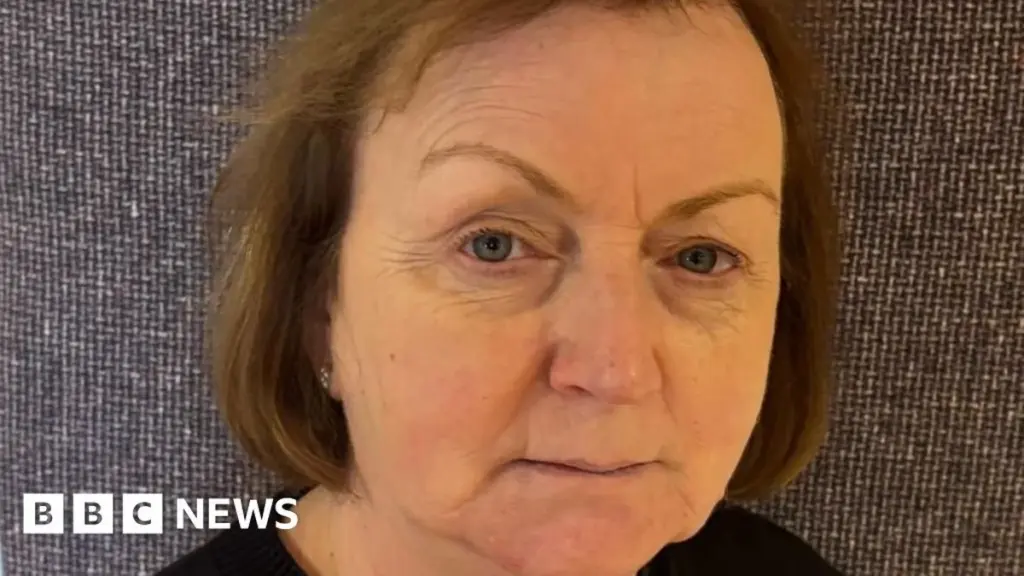
Mary Coyle, representing Donegal Cancer Flights and Services, an organization that facilitates travel for cancer patients, has welcomed the return of the afternoon service. This organization plays a crucial role in coordinating flights for individuals undergoing medical treatment.
The Department for Transport confirmed that the afternoon service between Donegal Airport in Castlefin and Dublin Airport will resume on May 1st. This confirmation signals a positive outcome for those who actively campaigned for the flight’s continuation.
In a formal statement, the department indicated that Minister Darragh O’Brien had been attentive to the concerns voiced by passengers, stakeholders, and relevant organizations, including Donegal Airport and Donegal Cancer Flights and Services. The responsiveness to these concerns appears to have been a key factor in the decision-making process.
The department further stated that the reintroduction of the afternoon flight acknowledges the significance of this route for regional connectivity. This emphasis on regional links underscores the importance of maintaining accessible transportation networks.
Officials elaborated that this adjustment is intended to enhance accessibility for passengers requiring same-day travel. This includes individuals attending essential medical appointments, for whom timely and reliable transport is paramount.
Resolute Campaigning and Public Support
Speaking on BBC Radio Foyle, Mary Coyle described the day of the announcement as “hugely significant for Donegal.” She conveyed the organization’s profound delight at the outcome of their sustained efforts.
“We are absolutely delighted,” Coyle stated. “We mounted a very strong campaign and were determined not to accept a negative response.” This highlights the dedicated and persistent approach undertaken by the group.
She detailed the actions taken, including travel to Dublin for meetings with officials and the minister. “We met with officials and the minister, Darragh O’Brien, and made it clear we would not back down and would fight this until the very end,” she recounted. The commitment to seeing the campaign through was evident.
“We weren’t asking for more,” Coyle clarified. “We were simply asking not to have less.” This statement precisely articulates the core demand of the campaign: to maintain existing essential services.
Coyle also noted the substantial public engagement with the campaign. Over 20,000 individuals signed a petition in response to the proposed alterations to the flight schedule. This widespread support demonstrated the community’s unified stance against the reduction of services.
“The people of Donegal were simply not going to accept this passively,” she asserted. The community’s resolve was a critical element in achieving the desired outcome.
“We have well over 500 people who use these flights to Dublin,” Coyle reported. This statistic provides concrete evidence of the service’s vital role for a significant number of individuals.
The users of these flights include those with cancer diagnoses, individuals undergoing treatment, and their family members accompanying them. The service is clearly essential for ongoing medical care and support networks.
Additionally, the flights are utilized by children with life-limiting or long-term illnesses, as well as individuals awaiting organ transplants. For many, this air connection is perceived as a critical lifeline, providing access to necessary medical interventions and support.
Coyle explained that the charity collaborates closely with oncology departments in several hospitals. This coordination allows for the scheduling of appointments, ensuring that patients from Donegal can secure earlier time slots and return home on the same day via their flights.
Ultimately, Coyle attributed the restoration of the afternoon service to “the power of people.” This emphasizes the impact of collective action and community advocacy in influencing policy decisions related to essential public services.