
I maintain two distinct living spaces: a compact apartment nestled within Sydney, Australia’s bustling city center, and a sprawling property once farmed, now reclaimed by nature, located a four-hour drive south. These locations stand in stark contrast. The city apartment buzzes with perpetual urban clamor, while the rural property operates on the natural rhythms of the wild. Its soundtrack comprises kookaburra symphonies, the droning intensity of cicadas, and the unearthly nighttime calls of powerful owls and gurgling brushtail possums. Yet, these disparate environments share a common, thriving element: a robust worm farm.
The farm hosts a substantial system designed to process an entire household’s organic refuse. In contrast, the city setup is modest, fitting neatly onto a porch and proving remarkably simple to establish, making it accessible for anyone. This urban option is easily replicable.
On the farm, I largely allow the land to follow its natural course, utilizing it primarily as a sanctuary for peace and quiet. Beneath the surface, however, a different kind of activity unfolds. Within a substantial 4000-liter tank, discreetly buried on the property, resides an extensive worm colony. This system accepts all my household’s sewerage and grey water. The worms diligently transform this sludge into nutrient-rich liquid and valuable castings. These byproducts are then gradually released, filtered through a series of buried, porous trenches, and subsequently absorbed by the soil, enriching the surrounding forest.`
The expansive worm farm in this wilder setting is equipped with a lid. Its inhabitants’ diet, beyond the daily input of toilet waste and shower water, can be supplemented. I occasionally add compost, weeds, or even the carcasses of animals like kangaroos, possums, or birds discovered on the property. My guiding principle is simple: anything that was once alive finds its final resting place within the worm farm. This approach ensures a complete cycle of organic matter.
When I lift the lid and peer into this dark chamber of decomposition, I am consistently amazed by the speed at which organic matter disappears. A deceased 50-kilogram male eastern grey kangaroo, for instance, is barely recognizable after a mere week. Within a month, it becomes entirely invisible to my torchlight. This worm farm has evolved into a vibrant, multicultural ecosystem; it now hosts frogs, spiders, and fly larvae, all thriving in the humid, nutrient-rich environment. This micro-habitat would undoubtedly impress even the Daintree Rainforest, located on Australia’s northeastern coast.
Remarkably, even after more than eight years of serving as a repository for all biological waste, with wheelbarrow loads of organic material deposited into this insatiable void, the farm’s steady state rarely exceeds a quarter of its capacity. Regardless of how malodorous a deceased kangaroo or a fly-blown bird might be upon introduction, I have never detected any offensive odors emanating from the worm farm. This is not a rudimentary operation; the local shire council conducts inspections every couple of years to ensure its official compliance.
On the day the farm was installed in 2018, the plumber who oversaw the project invited me to ceremonially introduce the worms to their new home. This involved a small bag of tiger worms (Eisenia fetida). This species, first identified in Europe in 1826, has ascended to become the global standard for composting operations.
Independent earthworm researcher Robert Blakemore notes that this particular species thrives in temperatures ranging from -2°C to 40°C. They possess a remarkable resilience, capable of enduring the loss of nearly two-thirds of their body moisture. Furthermore, they can reportedly withstand complete water immersion for periods extending up to six months, a testament to their adaptability.
Blakemore posits that no other species on Earth has contributed such a vital service to humanity. He suggests that a single compost worm can process an amount equivalent to its own body weight daily. This explains the astonishing rate at which a dead kangaroo can vanish in just a few weeks.
I find profound satisfaction in the knowledge that everything introduced into the worm farm is systematically broken down by these creatures into the fundamental ingredients of life. This resultant material then slowly leaches into the ancient red gum forest, where it is absorbed and reintegrated into the broader ecosystem. For me, this worm farm represents a genuine passage to an eternal cycle. It’s the ultimate recycling system. This is precisely why I tell my children, “When I die, put me in there.” I wish to join the continuous flow of life that has passed through. Becoming sustenance for my forest is my personal conception of heaven. The alternative – cremation and the storage of anonymous dust in a jar – would, frankly, be quite distressing.
My elderly chocolate border collie remains a constant companion, shadowing my every move with the loyalty of a devoted bodyguard. The highest tribute I can offer him, the most certain way to ensure his enduring presence, is for him to also pass through the worm farm’s transformative process when his time comes. My daughter, it should be noted, remains unconvinced by the proposed ultimate fate for our family dog.
Urban Worm Farming
Upon establishing a part-time residence in the city a few years ago, I brought a small sample of tiger worms from the rural farm to initiate a compact, commercially manufactured household composting container. This unit now resides in my tiny courtyard.
This smaller urban worm farm offers a more immediate, intimate experience compared to its rural counterpart. It stands approximately half a meter in diameter and height, featuring several vertically stacked bins that can be rotated once the uppermost bin reaches its capacity.
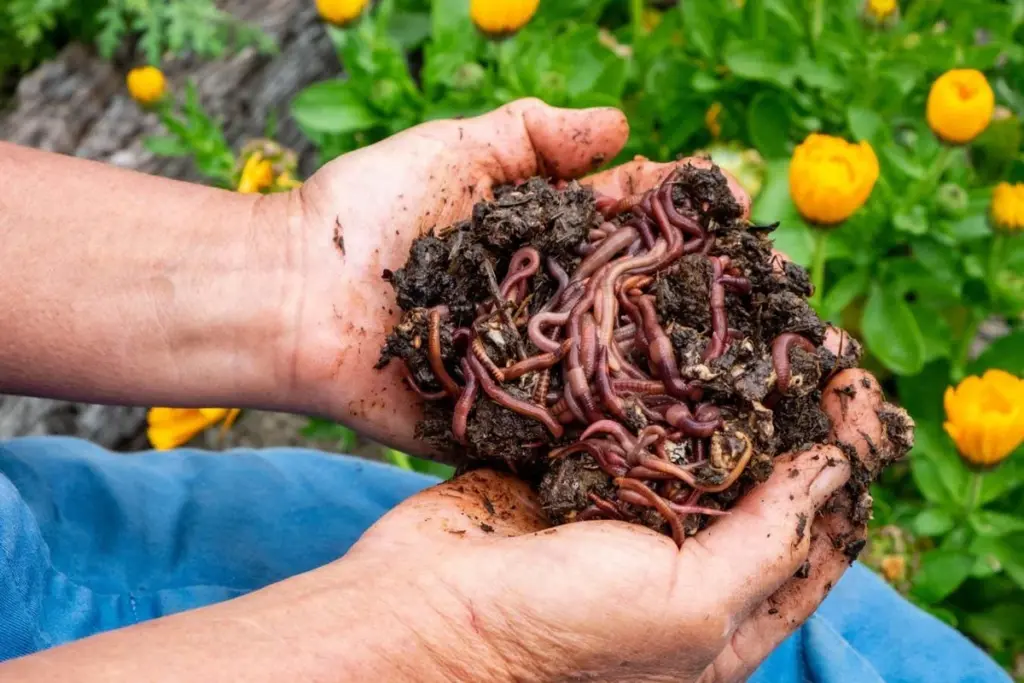
Unlike the worms on the farm, situated meters below in a large, dark tank, my city worms are readily accessible for observation. They present a more overtly intriguing spectacle. Occasionally, I find myself simply removing the lid and observing them meditatively, my brow furrowed in a mixture of fascination and revulsion at the visually unappealing nature of the decomposition process.
The reality of sausage production is often best left unexamined, and the same holds true for decomposition. The initial sight upon lifting the lid of my city worm farm reveals a densely packed, writhing mass of worms. Their sheer numbers and vigorous movement create the impression that plunging one’s hand into the decaying organic matter would result in immediate, swift amputation by these subterranean predators.
My apartment worm farm accepts all my vegetable scraps, dog waste, accumulated dog hair (my canine sheds profusely), eggshells, discarded bills, tea leaves, and coffee grounds – essentially, any organic material. However, when Robert Blakemore viewed a photograph I sent of the farm’s contents, he expressed some reservations regarding my rather relaxed approach to its management.
“I observe eggshells in your farm; these would break down more readily if crushed or microwaved, although they will eventually decompose,” Blakemore advises. “The same applies to fur. My primary concern is teabags, as I suspect they are composed of plastic, given their resistance to decay! Additionally, those peculiar labels affixed to bananas or avocados also pose a challenge.”
He further cautions that “dog feces can harbor parasites, but worms have the capacity to neutralize many of these pathogens.”
Regardless of the volume I introduce into my city compost system, the worms appear to manage efficiently. Periodically, after several months, I must transfer the uppermost cartridge to the base and commence filling a fresh, empty one. Once this new cartridge is full, the contents of the initial one will have transformed into rich, black soil, ready for application to my courtyard plants.
It is a remarkable, wriggling testament to the circle of life, offering a stark illustration that decomposition serves as a chilling reminder of our own mortality and underscores the interconnectedness of life on our planet, where every organism ultimately becomes sustenance for another. The unsung undertakers of the soil, the humble worms, are the conduits of immortality, meticulously processing all that has once lived.
I recall Blakemore’s strongly held belief: “Everyone ought to compost,” he states. “There is no valid excuse not to, barring our significant failings of ignorance and apathy.”
Considerations for Starting Your Own Worm Farm:
- Compost worms are readily available commercially and are straightforward to acquire. The preeminent species for composting is the tiger worm (Eisenia fetida), originally from Europe but now distributed globally. While purchasing worms is simple, I have successfully provided “starter” colonies—small bags containing a quantity of worms—to several friends. Within mere weeks, their own worm bins were functioning robustly.
- You will likely be astonished by the sheer volume of waste that a worm colony can process, even within a relatively compact urban worm farm setup. These systems are user-friendly and easy to purchase. However, if your intention is to manage the organic waste of an entire household, professional installation and significant space will be necessary.
- I ensure my city worm farm bin is positioned out of direct sunlight. When selecting an outdoor location, prioritize a shaded spot, especially if you reside in a region with intensely warm temperatures. It also remarkably produces no unpleasant odors, though removing the lid reveals a scene reminiscent of a horror film. Ultimately, however, it is not an inconvenient or unpleasant feature to have nearby.
- My personal preference for composting targets utility bills and unsolicited marketing mail. (It is advisable to avoid heavily colored or glossy papers.) There exists a distinct satisfaction in introducing unwanted items into the worm farm and observing their swift transformation into soil within a week.