
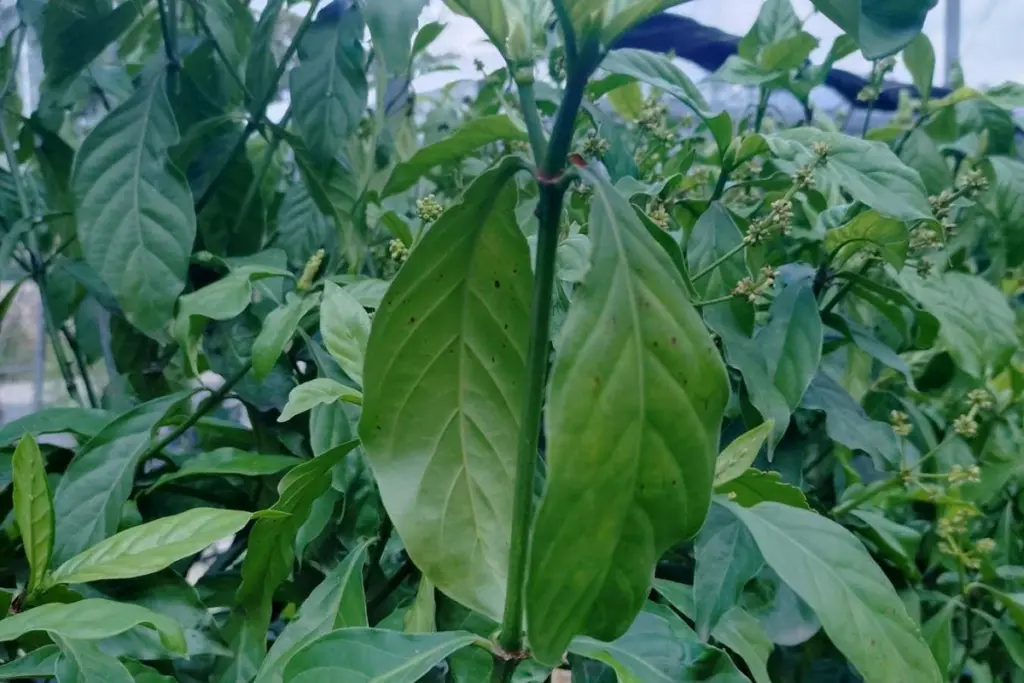
Scientists have successfully modified tobacco plants to yield five potent psychedelic substances. These compounds are typically found in plants, fungi, and animals. The researchers propose that cultivating these drugs in plants offers a more straightforward and sustainable alternative to current manufacturing methods. This approach could significantly streamline research into the therapeutic potential of these substances and facilitate the production of future medications.
A team led by Asaph Aharoni at the Weizmann Institute of Science in Israel employed a technique called agroinfiltration. This process involves using a bacterium to deliver genes from various organisms into the Nicotiana benthamiana plant. The plant then produces the proteins specified by these introduced genes. Importantly, this method does not integrate the foreign DNA into the plant’s permanent genetic structure, resulting in a temporary effect.
Through the integration of nine specific genes, the modified tobacco plants gained the ability to synthesize psilocin and psilocybin, compounds commonly associated with mushrooms. Additionally, they were engineered to produce DMT, a substance found in several plant species, and bufotenin along with 5-methoxy-DMT, which are secreted by the Colorado river toad (Incilius alvarius).
Aharoni highlighted potential complications with permanently altering plants to produce these compounds. He explained that if the genetic modifications were inheritable, it could lead to unintended consequences, such as public demand for seeds containing these controlled substances. The same technique, he noted, could be applied to other food crops like tomatoes, potatoes, and corn.
The recognized medical applications of psychedelic compounds are experiencing a resurgence in interest and understanding. However, sourcing these substances from natural populations poses risks due to habitat destruction and overharvesting, threatening certain species. While chemical synthesis is currently employed for research purposes, cultivating these drugs in easily managed greenhouse environments, such as those used for tobacco, presents a considerably simpler production pathway.
The concept of pharmaceutical farming, often referred to as “pharming,” where plants are used to manufacture drugs, is not a novel idea. Protein-based pharmaceuticals derived from plants have seen regulatory approval in the United States since 2012. As early as 2002, maize was genetically altered to produce a pharmaceutical protein. In a related study from 2022, another research group utilized tobacco plants to synthesize cocaine, reporting a yield of approximately 400 nanograms of cocaine per milligram of dried leaf, a level roughly one-25th of that found in the coca plant itself.
Rupert Fray from the University of Nottingham in the UK pointed out that a significant portion, around 25 percent, of currently prescribed medications originate entirely or in part from plant sources. He emphasized the substantial potential for developing “green factories” capable of growing novel compounds within controlled greenhouse settings.
Fray commented on the scientific value of this achievement, stating, “If you want to understand something, you’ve got to be able to build something, so showing that you can make it in tobacco plants is useful.” He further elaborated that the ability to demonstrate the synthesis of these complex pathways in a plant organism holds significant technical merit and contributes to a deeper understanding of the processes involved.
Journal reference: Science Advances DOI: 10.1126/sciadv.aeb3034