
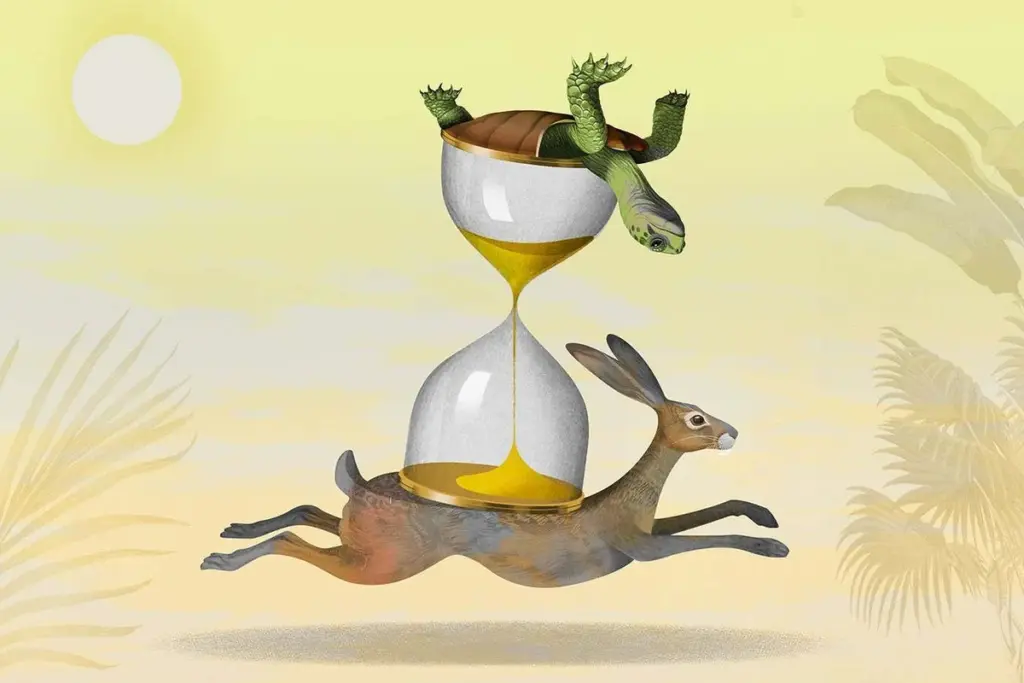
Approximately a decade ago, I had my biological age assessed. At that time, in my mid-40s, I maintained a fit physique, a lean frame, and adhered to a disciplined diet. The results were reassuring, indicating that, biologically, I was considerably younger than my chronological age—around six years, as I recall.
I hesitate to contemplate what my biological age might be now. In the intervening years, my weight has increased, my exercise regimen has become less consistent, I have endured multiple heatwaves, and I experienced the profoundly traumatic event of my wife’s suicide. I certainly feel every one of my 55 years, and it would not surprise me if I am biologically older.
Should this be the case, I would not be an anomaly. In recent years, scientists have identified a concerning pattern in biological aging. Across the globe, individuals are aging at an accelerated rate. Those born after 1965 exhibit more rapid biological aging than their counterparts born a decade earlier. Concurrently, diseases once predominantly affecting the elderly are becoming increasingly prevalent in younger populations.
“Cancers are increasing in younger age populations, people under 40 years of age have more heart attacks, more diabetes,” states Paulina Correa-Burrows, a social epidemiologist at the University of Chile in Santiago. “Why? My answer is because we’re ageing faster.”
The underlying causes of this demographic shift are beginning to emerge. Some factors are, regrettably, unavoidable. Many, fortunately, are amenable to modification. The question, then, is how can we strive to ensure our biological and chronological ages remain aligned?
Understanding Biological Age Measurement
The most effective method for assessing the rate of an individual’s aging involves measuring their biological age at distinct intervals, whether months or years apart. According to Antonello Lorenzini from the University of Bologna in Italy, the predominant tool for this assessment is epigenetic clocks. These tests analyze modifications to DNA. While not entirely without imperfection—precise biological age readings should be approached with a degree of caution—they offer sufficient accuracy to discern which individuals within a group are aging at a faster or slower pace.
These methodologies acknowledge that chronological age, the simple count of years lived, does not always accurately reflect one’s position on the aging continuum. Indeed, it can be significantly divergent. For the majority, there exists a reasonably consistent correlation. However, for some, their biological age may be a decade or more younger or older than their actual age. Crucially, unlike chronological age, biological age is not static; it can indeed decrease as well as increase.
The Link Between Obesity and Accelerated Aging
Early indications of biological aging acceleration emerged from obesity research. In 2016, a research team led by Beatriz Gálvez at the National Centre for Cardiovascular Research in Madrid, Spain, observed that the biological consequences of obesity substantially overlap with those of aging. A key feature of both conditions is the dysfunction of white adipose tissue, leading to metabolic disturbances, systemic inflammation, and damage to various organs, including the kidneys, bones, and the cardiovascular system.
Impacts of Obesity on Biological Processes
These effects are often directly ascribed to obesity itself. However, Gálvez explored a more indirect causal pathway: could obesity precipitate premature aging, which in turn leads to the early manifestation of age-related diseases? Her team and colleagues introduced the term “adipaging” to describe this relationship, positing that “to a great extent, obese adults are prematurely aged individuals.”
A few years later, Lorenzini and his collaborators expanded upon this concept. Their work was informed by a pivotal 2013 research paper titled “The hallmarks of aging,” which outlined nine molecular and cellular drivers of age-related diseases. Lorenzini correlated these hallmarks with the observed effects of obesity, uncovering significant parallels. Both obesity and aging contribute to nutrient sensing imbalances, altered intercellular communication, protein metabolism disturbances, mitochondrial dysfunction within cells, and cellular senescence, a state where cells cease division but remain metabolically active.
“I think that fits very well with accelerating ageing,” says Lorenzini. “For many of the chronic diseases of our time, the major factor is ageing. So, of course, if you accelerate ageing, you will accelerate everything.” This acceleration extends to mortality; the life expectancy for individuals over 40 with obesity is reduced by approximately six years for men and seven for women.
Empirical Evidence Linking Obesity and Faster Biological Clocks
Several studies have attempted to quantify whether the biological clocks of individuals with obesity indeed tick faster. In 2017, a research group, primarily affiliated with the University of Tampere in Finland, re-examined archived blood samples from 183 individuals collected over a 25-year period, spanning adolescence or young adulthood to middle age. The body mass index (BMI) of participants was recorded at the time of sample collection, allowing researchers to identify those who had become obese. As anticipated, individuals who experienced significant weight gain exhibited more pronounced biological aging relative to their chronological age, in some cases exceeding 10 years. Those who maintained a lean condition displayed a smaller discrepancy. (The research team also intended to examine weight loss effects but lacked sufficient participants in that category.)
A similar investigation involving women aged 20 to 40 revealed a correlation between higher BMI and an older biological age. Each increase of 1 kilogram per square meter of height squared was associated with approximately 1.7 months added to biological age. Another study found that elevated biological age in women aged 35 to 75 was linked to various obesity indicators—BMI, waist-to-hip ratio, and waist circumference. Women with a BMI of 35 or higher, placing them in the obese category, were, on average, 3.15 years biologically older than their chronologically same-aged counterparts who maintained a healthy weight.
Causality: Obesity as a Driver of Accelerated Aging
It is important to note that these studies did not definitively establish the direction of causality. While obesity might accelerate biological aging, the possibility exists that an increase in biological age could, in some manner, contribute to obesity. Last year, researchers in Beijing sought to disentangle these possibilities. They re-analyzed data from tens of thousands of participants previously enrolled in a study. This data included several measurements of their biological age, alongside repeated assessments of BMI, waist circumference, and waist-to-hip ratio. Utilizing a statistical methodology capable of indicating causal direction, the researchers demonstrated that obesity leads to accelerated aging compared to individuals of a healthy weight, by approximately three years.
“We are moving from hypothesis to data. The data is piling up,” Lorenzini asserts, underscoring the consistent findings across these studies.
Longitudinal Studies Confirming the Trend
The latest contribution to this growing body of evidence originates from the laboratory of Correa-Burrows and her colleagues at the University of Chile. They integrated their research with the Santiago Longitudinal Study, which commenced in 1992 and tracked approximately 1000 individuals from birth into their late twenties, initially to investigate the impact of nutrition on child and adolescent health. Correa-Burrows’ team recruited 205 participants who had completed the full duration of the study. These individuals, aged between 28 and 31, were categorized into three groups: those who had maintained a healthy weight throughout their lives, those who had been obese since adolescence, and those who had been obese since early childhood. Extensive data on these participants, including their BMIs over the study period, was available. Correa-Burrows further utilized epigenetic clocks to ascertain their biological ages.
The findings were unequivocal. Participants in the healthy weight group exhibited biological ages slightly lower than their chronological ages, on average. Conversely, individuals in both obese groups presented with biological ages exceeding their chronological ages. The ‘obese-since-adolescence’ group showed an average difference of 4.2 years, while the ‘obese-since-childhood’ group averaged 4.7 years. A subset of these individuals had biological ages surpassing 40.
“We were expecting to find that, but we never expected the magnitude of difference that we saw in some individuals,” states Correa-Burrows. “Some of them had a 50 per cent gap between their biological age and the chronological age, which is huge.” She adds that it is now widely accepted within the field of geroscience that obesity accelerates the aging process.
Accelerated Aging Beyond Obesity
Premature aging is a recognized phenomenon among adult survivors of childhood cancer. These individuals often experience frailty and reduced lifespans due to the long-term effects of their illness and treatment. They also face a heightened risk of developing a new, unrelated cancer later in life. While genetic predispositions may play a role, they do not fully account for this elevated risk.
The Cancer Connection
Last year, Paige Green at the U.S. National Cancer Institute proposed a compelling hypothesis: Cancer is typically associated with older age, and childhood cancer survivors exhibit premature aging. This accelerated aging might render them more susceptible to cancer. Furthermore, heightened biological aging in the general population could potentially explain the increasing incidence of early-onset cancer, heart failure, and strokes.
“Cancer used to just be considered a disease of ageing,” remarks Jennifer Guida, an independent researcher and former colleague of Green. “Now people are being diagnosed with colon cancer in their 30s, breast cancer in their 30s. Why is that? Perhaps some of the processes of ageing are acting earlier and causing ageing to accelerate, which then causes early-onset cancer.” Green, Guida, and their colleague Lisa Gallicchio published this hypothesis in JAMA Oncology, challenging the scientific community to investigate it further. “We put it out there as a hypothesis,” says Guida. “Maybe somebody will run with it and do the work to show that this is true, or disprove it.” The proposed validation method involves measuring the biological ages of a large cohort of individuals already enrolled in extensive studies and correlating these with instances of early-onset cancer.
Empirical Validation of Accelerated Aging in Younger Generations
A team has already embarked on this line of inquiry. Last year, Ruiyi Tian at Washington University in St. Louis presented findings at the American Association for Cancer Research’s annual meeting. Her team analyzed blood samples from nearly 150,000 individuals from the UK Biobank, searching for indicators of accelerated aging. Participants were between 37 and 54 years old when their blood was collected. The biological age assessment revealed that individuals on the younger end of this spectrum, born after 1965, were 17 percent more likely to exhibit signs of accelerated aging compared to older participants, born between 1950 and 1954. The study also identified a link between accelerated aging and an increased risk of early-onset lung, gastrointestinal tract, and uterine cancers.
“Accumulating evidence suggests that the younger generations may be ageing more swiftly than anticipated,” Tian communicated at the time. (As these results have not yet been published in a peer-reviewed journal, Tian and her supervisor did not provide further comment.)
The “Senesogenic Environment”
Collectively, these findings suggest that our modern world not only fosters obesity—an environment often termed “obesogenic”—but also contributes to the acceleration of aging. This integrated phenomenon warrants a new descriptor: the “senesogenic environment,” derived from the Latin verb “senescere,” meaning “to grow old.”
Obesity as a Primary Driver of Accelerated Aging
Given that younger populations are aging more rapidly, identifying the principal causes is crucial. Obesity stands out as a major contributor. “We have a huge obesity problem in places that have a Western-type diet,” notes Guida. The World Obesity Federation reports a tenfold increase in obesity rates among 5-to-19-year-olds between 1975 and 2022, with childhood obesity often persisting into adulthood. “Obesity’s prevalence has kept rising despite governmental efforts to try to reduce the rates, and by 2030, 1 billion people in the world will be obese,” states Correa-Burrows.
Mechanisms of Accelerated Aging
The Role of Inflammation and Caloric Intake
The precise mechanism by which obesity accelerates aging is a subject of ongoing debate. One possibility is that excess body fat directly promotes prolonged inflammation, which in turn triggers biochemical signatures associated with aging. “When you have chronic inflammation, it triggers these biochemical ageing signatures,” explains Correa-Burrows.
Alternatively, it is posited that consistently high caloric intake, leading to both obesity and accelerated aging, might be the underlying factor. Lorenzini favors this hypothesis, pointing to the significant involvement of nutrient-sensing pathways in the aging process. It is well-established that inhibiting these pathways in animal models, either through medication or caloric restriction, can activate repair mechanisms and decelerate aging. In humans, a diet consistently high in calories may perpetually stimulate these pathways, preventing the body from undertaking necessary repair processes that mitigate aging damage.
Other Contributing Environmental and Lifestyle Factors
Obesity is not the sole contributor to accelerated aging. “Anything that increases hormones related to stress, particularly cortisol, is going to have an adverse effect in terms of your biological ageing rate,” says Correa-Burrows. This includes factors such as pollution and early childhood adversity, as well as trauma. Exposure to heatwaves has also been identified as a factor that can hasten biological aging, potentially by activating stress hormones.
Modern lifestyles are also marked by increased sedentariness, according to Guida. “All these things feed into each other to create this perfect storm.”
Reversing the Biological Clock: Lifestyle Interventions
The question arises: how can individuals mitigate the risk of premature aging? “A lot of it comes down to lifestyle change,” Guida affirms. “Exercise is probably the biggest thing that you can do to slow your ageing. We know caloric restriction works too, but it’s not always feasible for everybody. Sleep is a great way to promote restoration and repair. And avoiding alcohol and smoking.”
In the future, pharmacological interventions may offer additional avenues. Ozempic, a GLP-1 receptor agonist used for type 2 diabetes, has recently demonstrated a capacity to slow the rate of aging. Furthermore, studies indicate that this class of drugs may be associated with a reduced risk of obesity-related cancers. However, Correa-Burrows cautions that insufficient long-term data exists to recommend them broadly as an anti-aging strategy.
The encouraging news is that even if one’s biological clock has advanced beyond their chronological age, lifestyle modifications possess the potential to reverse this trend. “There are ways to synchronise both clocks or even put your biological clock below your chronological clock,” Correa-Burrows explains. “Most of the interventions are based on changes in your lifestyle: exercising and changing your diet.” Acknowledging this, the impetus to reduce weight and re-engage in physical activity is clear. While regaining the biological age of being six years younger may be optimistic, aligning biological and chronological age at 55 would be a significant achievement.
Heatwaves and Their Impact on Premature Aging
Accelerated aging is not solely attributable to obesity, stress, and pollution. Climate change is also contributing to a faster biological aging process. Earlier this year, Eun Young Choi and Jennifer Ailshire at the University of Southern California conducted an analysis of biological age data from 3,686 U.S. adults aged 56 and older, cross-referencing it with climate records spanning the preceding six years. Their findings indicated that individuals exposed to a greater number of hot days exhibited more rapid aging, with a 10% increase in exposure correlating to an additional 1.4 months added to their biological age.
Subsequently, in August, a research team led by Cui Guo at the University of Hong Kong analyzed data from nearly 25,000 adults participating in a medical screening program in Taiwan. The researchers estimated participants’ biological ages and correlated this with their exposure to heatwaves—defined as periods of abnormally hot weather lasting over 48 hours—within the preceding two years. They discovered that individuals with greater cumulative heatwave exposure were aging faster than those with less exposure. Each four-day increase in total heatwave exposure was associated with an approximate nine-day rise in biological age. Over a typical lifespan, this cumulative effect could amount to approximately five months.
The precise mechanism through which heatwaves accelerate aging remains unclear, according to Paul Beggs, an environmental health scientist at Macquarie University in Sydney, Australia. However, it is known that acute heat exposure can inflict damage on the brain, heart, and kidneys, and disrupt sleep patterns.