
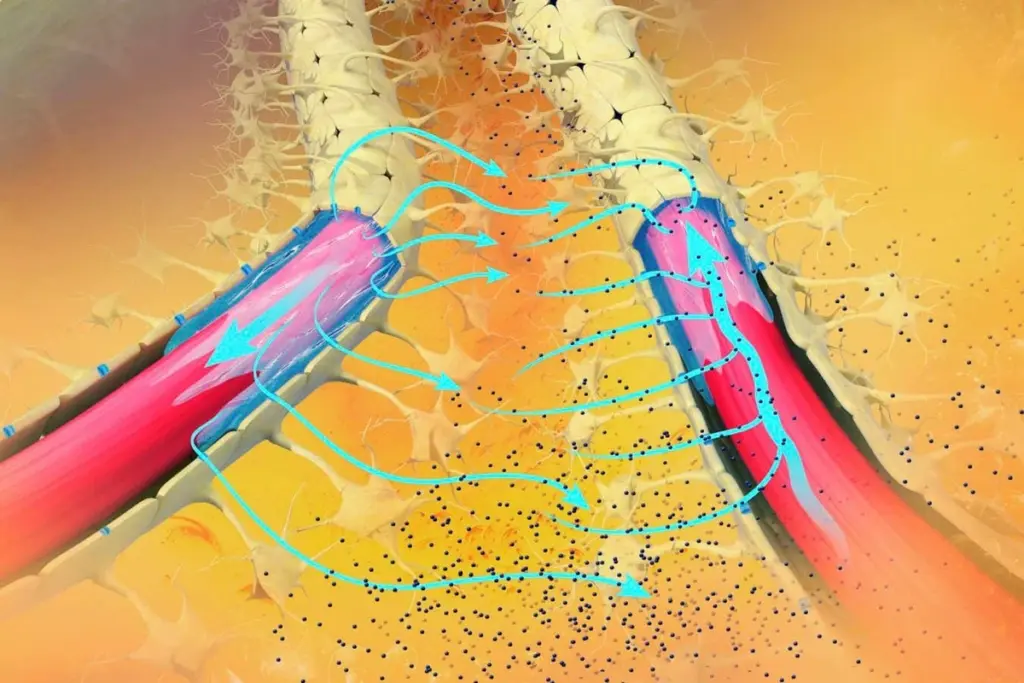
Researchers have identified a combination of existing medications that significantly boosts the brain’s natural waste-disposal system. This therapeutic approach shows potential for clearing proteins linked to Alzheimer’s disease, potentially delaying its onset by up to seven years.
This development is hailed as a considerable advancement. Experts suggest it could offer benefits not only for individuals with neurodegenerative conditions but also for healthy people looking to optimize brain function.
Understanding the Brain’s Waste Removal System
The brain employs a sophisticated network known as the glymphatic system to eliminate metabolic waste. This system functions through channels that surround blood vessels, directing waste fluid to the lymphatic system. From there, it enters the bloodstream for disposal.
Crucially, the glymphatic system is most active during deep sleep stages. During these periods, slow brain waves facilitate the movement of waste fluid released by brain cells. However, this system’s efficiency declines with age and is particularly impaired in individuals with Alzheimer’s disease.
Previous Research and New Study Design
Previous studies indicated that dexmedetomidine, a sedative commonly used in medical procedures, enhances these beneficial slow brain waves in mice. The research also showed it improved the brain’s waste clearance capabilities and slowed cognitive decline in mouse models of Alzheimer’s.
To investigate dexmedetomidine’s effects in humans, a team led by Paul Dagum at Applied Cognition in Redwood City, California, enrolled 19 adult participants. The average age of these volunteers was 60. They underwent a single night of sleep deprivation in a laboratory setting. The following morning, after providing baseline blood samples, the participants (who had no pre-existing chronic medical conditions or brain-specific issues) received a four-hour infusion. This infusion included dexmedetomidine and midodrine, a medication used to counteract the dangerously low blood pressure that can be a side effect of dexmedetomidine.
Following this intervention, a second blood sample was collected. Several weeks later, the experiment was replicated. This time, participants received a placebo pill and saline infusions. The researchers then meticulously compared the post-intervention blood samples from both experimental sessions, carefully accounting for any variations in the initial baseline measurements.
Key Findings and Potential Impact
The analysis revealed that the combination of dexmedetomidine and midodrine, which the company refers to as ACX-02, was significantly more effective at clearing amyloid and tau proteins than the placebo treatment. These specific proteins are known for their propensity to misfold and form harmful clumps characteristic of Alzheimer’s disease.
Based on the levels of misfolded amyloid detected, the research team projects that sustained application of ACX-02 could potentially delay the onset or progression of Alzheimer’s disease by approximately seven years. Dagum remarked that such an outcome would represent a substantial and meaningful benefit for individuals at risk.
Mechanism of Action
Further examination indicated that ACX-02 appears to function by increasing the occurrence of slow brain waves during sleep. This occurs specifically during the sleep phase where the brain transitions from lighter to deeper stages. The treatment also seems to augment fluid flow within the brain, thereby expediting the clearance of waste products.
Additionally, the researchers observed that ACX-02 seems to influence blood vessel activity, causing them to dilate and constrict more vigorously. This enhanced vascular action appears to drive fluid more forcefully through the glymphatic channels, facilitating waste removal.
Comparison with Existing Treatments and Future Directions
Current antibody-based therapies, such as lecanemab and donanemab, approved for use in some countries, aim to remove amyloid plaques. However, their impact on symptoms is often limited, and they carry risks of brain bleeding and swelling.
In contrast, Iliff’s trial reported no severe side effects associated with ACX-02. Dagum explained that boosting the glymphatic system does not activate the brain’s immune cells in the same manner as antibody therapies, which can lead to a rapid increase in side effect risk. Furthermore, ACX-02 targets both amyloid-beta and tau proteins. This dual action may lead to more significant cognitive benefits, according to Dagum.
The research team is planning further studies involving individuals with early-stage Alzheimer’s disease to validate these findings.
Experts acknowledge that prior attempts to clear misfolded proteins in Alzheimer’s patients have yielded limited success. However, they note that if the new approach proves both safe and effective, its applications could be widespread. It might benefit individuals with other brain conditions caused by the buildup of misfolded proteins, such as Parkinson’s disease.
Researchers also speculate that a pill formulation of dexmedetomidine could potentially be developed to address attention deficits resulting from sleep deprivation.