
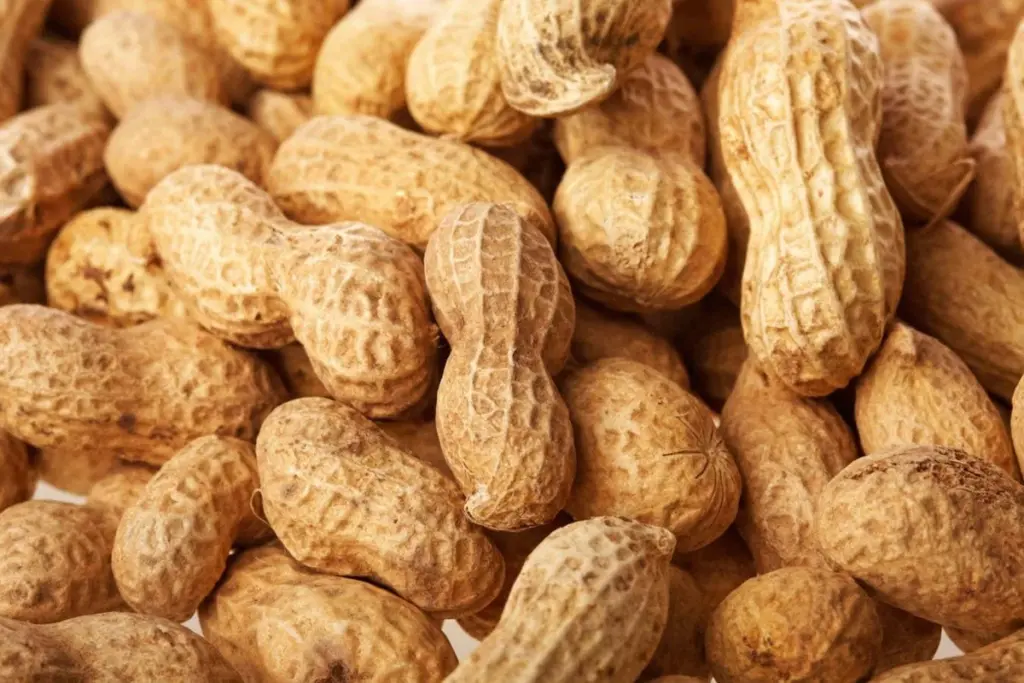
The intricate ecosystems of microbes residing in our gut and mouth could be decisive factors determining whether individuals with a peanut allergy experience a life-threatening response. This discovery may shed light on why some individuals with this allergy exhibit relatively mild reactions, while others face severe, and occasionally fatal, symptoms.
Rodrigo Jiménez-Saiz, based at the Autonomous University of Madrid in Spain, notes the significant question of “why some patients are more susceptible to more severe reactions.”
Peanut allergy is triggered when the immune system incorrectly identifies proteins within the legume as a threat. This misidentification prompts the overproduction of a specific antibody type, escalating inflammation. The resulting symptoms range from itching and swelling to vomiting. In extreme instances, exposure to peanuts can lead to anaphylaxis, a critical condition marked by breathing difficulties.
Jiménez-Saiz and his research team hypothesized that the microbes inhabiting our bodies might play a role, given their profound impact on the immune system. To investigate this, they introduced a small quantity of peanut material into the digestive systems of three distinct groups of mice, none of which initially had allergies.
Microbiome Diversity and Peanut Proteins
The experimental setup involved a germ-free group of mice, completely lacking a microbiome. A second group possessed a minimally diverse microbiome, and a third group harbored a microbiome typical of healthy mice. Approximately forty minutes following the introduction of the peanut material, the researchers observed higher concentrations of two proteins, identified as Ara h 1 and Ara h 2, in the small intestines of the germ-free and minimally diverse microbiome mice compared to their counterparts with a more varied microbial environment. These proteins are known to be significant players in peanut allergy development.
Further analysis revealed that the mice with the most diverse microbiomes demonstrated the highest prevalence of a bacterial group known as Rothia, specifically the Rothia R3 strain. This particular strain is implicated in the digestion and breakdown of peanuts within the digestive tract.
Rothia R3’s Influence on Anaphylaxis
To ascertain whether Rothia R3 could influence the risk of anaphylaxis, a separate cohort of mice with a minimally diverse microbiome was intentionally induced with severe peanut allergies. Some of these mice underwent implantation of Rothia R3 into their guts. Subsequently, peanut paste was administered directly into the stomachs of all animals in this group.
Forty minutes later, all mice displayed symptoms of anaphylaxis. However, a notable difference emerged: the body temperature of the mice that had received Rothia R3 dropped by an average of only 2 percent. In contrast, the mice that did not receive the bacteria experienced an average body temperature drop of 3.5 percent. Anaphylaxis is typically associated with a decrease in body temperature, which can subsequently lead to hypothermia and organ failure.
Additionally, the Rothia-implanted mice exhibited approximately half the levels of an immune molecule called MMCP-1 in their blood. This molecule typically increases during anaphylaxis. Mohamed Shamji of Imperial College London commented that “The findings are compelling.” He added, “If a similar immunological change occurred in people, you would expect this to reduce the severity of anaphylaxis symptoms.”
Human Saliva and Rothia Levels
In a parallel study involving 19 individuals with peanut allergies, the research team identified a correlation: those who exhibited greater tolerance to peanuts had significantly higher levels of Rothia bacteria in their saliva compared to individuals with more severe allergies. This finding suggests that the presence of these bacteria in human mouths, in addition to the gut, plays a role in influencing anaphylaxis risk.
Shamji posited that Rothia probiotics could potentially serve as a future intervention to mitigate the severity of anaphylaxis experienced during a peanut allergy reaction. “The need for something like this is huge,” he stated. This approach could be particularly beneficial in alleviating the anxiety associated with accidental peanut exposure and reducing adverse reactions during oral immunotherapy, a treatment method that gradually exposes individuals to increasing doses of an allergen.
Jiménez-Saiz indicated that the team intends to further investigate the therapeutic potential of such treatments in a clinical trial. This trial would involve administering either Rothia probiotics or a placebo to individuals with peanut allergies before exposing them to small amounts of peanuts.