
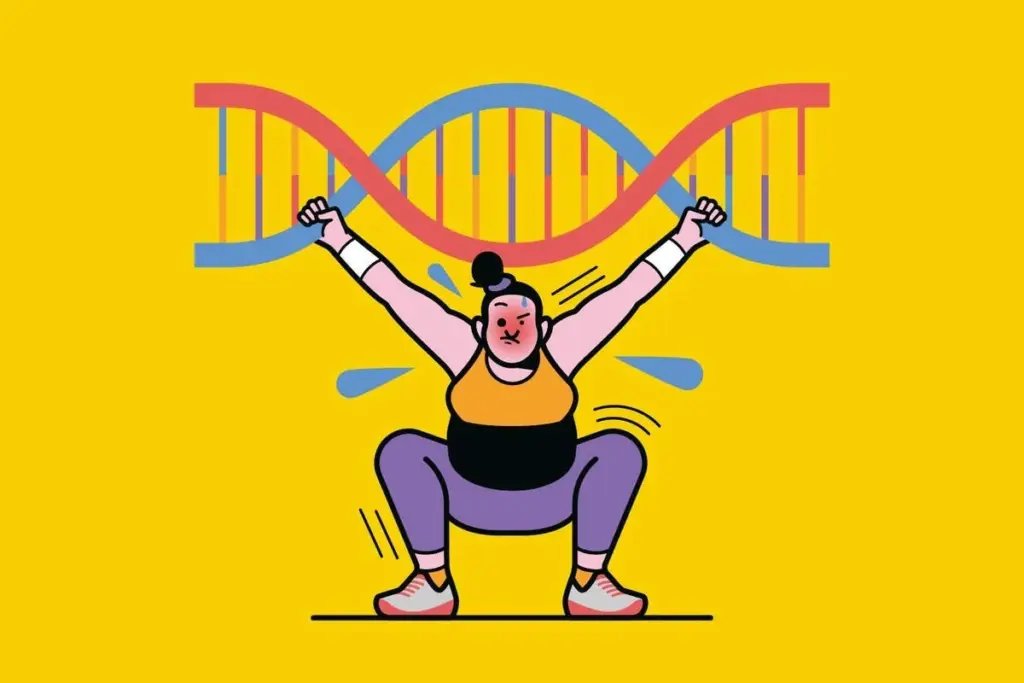
While no centenarian attributes their age to prolonged inactivity, rigorous fitness regimens are also seldom cited as the primary factor. Instead, individuals reaching a century often describe a life characterized by consistent, moderate physical exertion, encompassing activities like walking, farming, and gardening.
This pattern, however, does not easily integrate into many contemporary lifestyles. Nevertheless, this has not deterred scientific efforts to pinpoint the ideal quantity and type of exercise for a long and healthy existence.
The Undeniable Need for Physical Activity
The absence of physical activity is not a viable option. A lack of regular movement has been associated with millions of premature deaths globally each year. Furthermore, it significantly elevates the risk of developing chronic health conditions such as heart disease, stroke, and certain types of cancer. Conversely, engaging in sufficient exercise can demonstrably extend life expectancy by up to seven years, while also prolonging the period of good health.
Tracing the Evolution of Exercise
Insights into optimal physical activity levels can be gleaned from our evolutionary past. Modern hunter-gatherer societies, serving as the closest analogue to ancestral lifestyles, typically accumulate between 11,000 and 20,000 steps daily. Their resistance training derives from the demands of hunting, climbing, excavating for tubers, and transporting gathered resources.
These populations exhibit lower incidences of the chronic diseases prevalent in Western nations. A key factor appears to be the body’s response to this sustained effort, which stimulates a cascade of internal maintenance and repair processes. Evolutionary anthropologist Daniel Lieberman of Harvard University posits that exercise and physiological upkeep are intrinsically linked, with genes responsible for body repair and maintenance being activated only during movement. When we remain inactive, the body conserves energy by deactivating these functions.
Given this “use it or lose it” principle, a growing number of researchers view exercise not as an anti-aging strategy, but as a method to counteract the life-shortening and illness-inducing consequences of chronic immobility. Norman Lazarus, emeritus professor of exercise physiology at King’s College London, suggests that exercise is a strategy we can adopt to optimize the rate of bodily decline.
Determining the Right Amount of Exercise
So, how much exercise is sufficient? Lazarus points to the World Health Organization (WHO) guidelines as a foundational reference. These recommendations, derived from extensive epidemiological studies, advise adults to engage in at least 150 to 300 minutes per week of moderate-intensity physical activity. This could include brisk walking, where one can still converse but not sing. Alternatively, 75 to 150 minutes of vigorous-intensity activity, such as running or cycling on challenging terrain, which leads to increased breathlessness, is suggested. Additionally, strength training should be incorporated at least two days per week.
For individuals aged 65 and older, the guidelines recommend an additional strength training session along with exercises focused on balance and mobility.
Why Strength Training is Crucial for Health
Building muscle mass is linked to a reduced risk of cancer and stroke, cognitive enhancement, increased calorie expenditure, and potentially superior health benefits compared to cardiovascular exercise alone.
Crucially, these activities do not necessitate formal exercise sessions. Any activity that engages physical strength or elevates the heart rate can contribute to these benefits. Furthermore, the exercise does not need to be performed in a single session; evidence suggests that multiple shorter workouts can be as effective as longer, more structured ones.
Mikel Izquierdo, from the Public University of Navarra in Spain and a lead author on a global consensus for exercise recommendations for healthy longevity, concurs that the WHO guidelines offer valuable guidance for reducing disease risk and extending lifespan. However, he notes that they might not be enough to ensure continued vitality in old age.
“The majority of studies supporting the WHO recommendations focus on reducing disease risk and mortality, rather than functional independence,” he stated. “The reality is that meeting the basic guidelines doesn’t automatically translate into preserved autonomy, especially in populations over 65.”
Prioritizing Strength
From middle age onward, Izquierdo emphasizes the importance of actively working on muscle strength. Muscle mass begins to decline from the 30s, with fast-twitch muscle fibers, essential for movements like standing up from a seated position, experiencing the most significant reduction. Without intervention, this loss of strength and endurance can lead to difficulties with walking and standing, increasing the risk of falls and premature death in older adults.
Numerous studies have established a correlation between reduced hand grip strength and a shorter lifespan. While not implying a need for specialized hand exercises, grip strength serves as a practical proxy for overall muscle strength due to its ease of measurement and its demonstrated correlation with the strength of major muscle groups, particularly in the legs.
Mastering the Balance
Maintaining balance from middle age onwards is also a prudent practice. A 2022 study indicated that individuals aged 51 to 75 who could not balance on one leg for at least 10 seconds were twice as likely to die within the subsequent decade.
Izquierdo suggests that bodyweight exercises like squats and planks are an effective starting point. However, as muscle loss accelerates, progressively increasing the resistance through added weights or resistance bands becomes necessary to counter this decline.
Maria Fiatarone Singh, a geriatrician at the University of Sydney, advocates for power training. This can involve activities like jumping stairs for more agile individuals or performing fast leg presses in the gym using 80% of one’s maximum lifting capacity. This approach is effective because more explosive strength training stimulates the development of fast-twitch “type II” muscle fibers, which are the first to diminish with age.
It is never too late to commence such training. Power and strength exercises have demonstrated the ability to build muscle even in frail individuals in their 90s, subsequently improving their capacity for independent standing and walking. Fiatarone Singh notes that even the mental intention to become stronger yields some benefits. The very act of intending to move quickly, even if the weight is initially minimal, sends signals from the brain to the type II fibers, prompting them to contract and optimally recruit their potential.
Realistic Expectations and the Limits of Intervention
While numerous strategies exist to combat the physical decline associated with aging, Lazarus emphasizes the need for realistic expectations. As a keen cyclist approaching his 90th birthday, he acknowledges that exercise, like other interventions, has its limitations.
“There are things happening to us over which we’ve got no control,” Lazarus stated. He cites maximal heart rate, estimated by the formula 220 minus age, as an example. “The formula doesn’t say 220 minus age plus exercise, it says 220 minus time passing,” he explained. “You can exercise until the cows come home, you’re not going to change that.” Even elite athletes experience age-related declines in muscle mass, strength, and cardiovascular efficiency, regardless of their training intensity.
“We are all going to die,” Lazarus concluded. “You want to keep functioning as long as possible and die in a year. Not slowly over 40 or 50 years.”
Izquierdo echoes this sentiment with the concise aim to “die young, as late as possible.”
Longevity Hacks: Simple Practices for Healthier Later Years
Here are five straightforward yet often overlooked practices that can contribute to a healthier older age:
-
Sit on the Floor
Engaging in the act of sitting down and getting up from the floor, much like children do, strengthens leg and core muscles and promotes joint flexibility. The ability to perform this simple maneuver as an adult is associated with a significantly longer life. For an added challenge, try to rise without using your hands.
-
Floss Your Teeth
Neglecting oral hygiene allows harmful microbes from the mouth to enter the bloodstream, potentially contributing to various health issues, including cardiovascular disease, cancer, Alzheimer’s disease, and arthritis. Maintaining a balanced oral microbiome helps to stave off decline.
-
Train Your Nose
A diminished sense of smell is often linked to conditions like Parkinson’s and Alzheimer’s disease. Revitalizing this often-neglected sense may not only help reduce cognitive decline but studies suggest it can also reverse it. Olfactory ability is a sense that can be trained.
-
Have Sex
A review of research examining the connection between the sex lives of individuals aged 40 to 90-plus and their self-perceived well-being concluded that “a fulfilling sex life is an essential part of subjective well-being.”
-
Mix with Younger People
Beyond potential psychological benefits, interacting with younger individuals can positively impact your microbiome. Our gut microbiomes are influenced by those around us, and a shift towards a more youthful microbial profile is associated with improved health.