
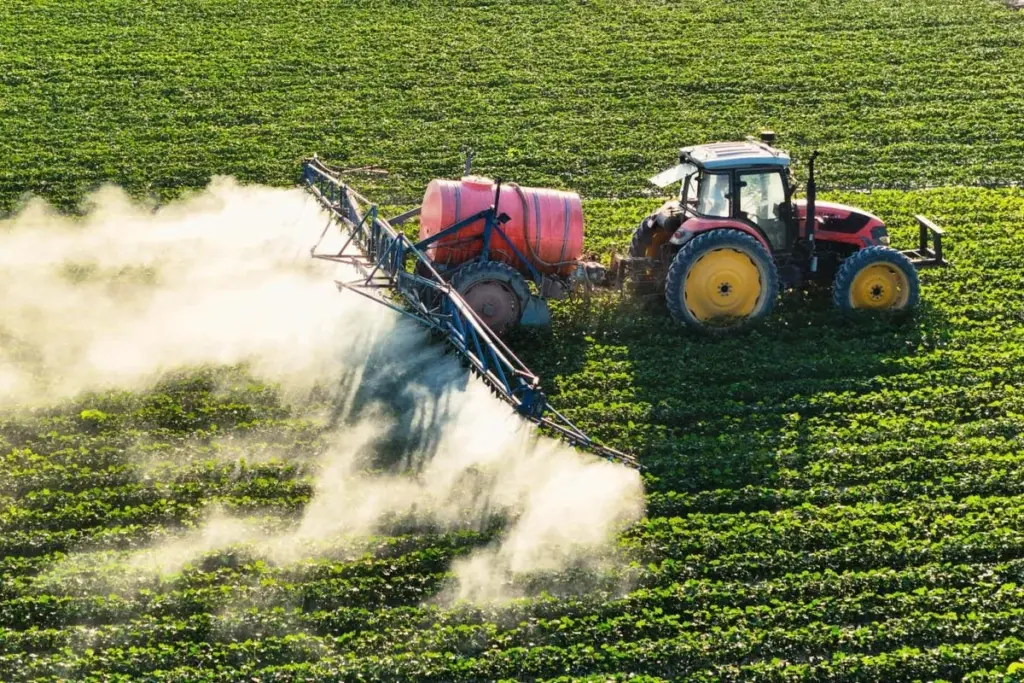
More than sixty years have passed since Rachel Carson’s seminal book, *Silent Spring*, first alerted the world to the dangers posed by pesticides. Yet, the damage these chemicals inflict on wildlife appears to be more extensive than ever before.
According to Ralf Schulz of RPTU University Kaiserslautern-Landau in Germany, a global trend indicates a persistent escalation in applied pesticide toxicity. This growing chemical burden on ecosystems raises significant concerns.
The actual harm caused by any pesticide is a function of two key factors: the quantity used and its inherent toxicity. This toxicity can vary dramatically across different species. To provide a more comprehensive assessment of the overall pesticide impact, Schulz and his colleagues have developed a metric known as “applied toxicity.”
Their research involved examining the usage data for 625 different pesticides across 201 countries during the period from 2013 to 2019. This extensive list encompassed pesticides utilized by both conventional and organic farming practices.
The team then compiled and averaged toxicity data from regulatory bodies in several nations. This data focused on the effects of each pesticide on eight broad categories of organisms: aquatic plants, aquatic invertebrates, fish, terrestrial arthropods, pollinators, soil organisms, terrestrial vertebrates, and terrestrial plants. This analytical framework enabled the researchers to calculate the estimated total applied toxicity, either for individual countries or for specific groups of organisms.
Globally, the total applied toxicity showed an increase from 2013 to 2019 for six out of the eight organism groups studied. Specifically, toxicity levels rose by 13 percent for pollinators, 27 percent for fish, and a significant 43 percent for terrestrial arthropods, a diverse group including insects, crustaceans, and spiders.
“This does not automatically mean that this toxicity necessarily translates into immediate toxic effects on these organisms,” Schulz commented. “However, it serves as a crucial indicator, revealing whether the pesticides we are deploying exhibit greater or lesser toxicity towards pollinators, fish, or any other specified group.”
Numerous other studies have already documented instances where pesticide concentrations found in various environments, such as rivers, exceed the levels regulators deemed acceptable during the approval process. Schulz noted the significance of this discrepancy, stating that while not explicitly accounted for in their current index, substantial evidence supports this observation. He further elaborated that current risk assessments often significantly underestimate the actual exposure levels organisms face.
The observed increases in total applied toxicity stem from a combination of factors. Primarily, there has been a rise in the overall quantities of pesticides being used. Furthermore, older, less toxic pesticides are increasingly being replaced by newer formulations that exhibit even higher toxicity. This shift is largely driven by the emergence of pest resistance to existing chemicals. Schulz suggested that resistance is an inevitable outcome of relying on chemical pesticides.
Specific pesticide classes are identified as particularly problematic. Pyrethroids, for example, pose a significant threat to fish and aquatic invertebrates, despite their intended application at low concentrations. Neonicotinoids represent another concerning group, especially in their impact on pollinators.
Calls for banning the herbicide glyphosate, also marketed as Roundup, have been prominent. Schulz acknowledged that while glyphosate’s inherent toxicity is not exceptionally high, its widespread and extensive use contributes to the overall applied toxicity. However, he also cautioned against a simple ban, as it could lead to an increase in applied toxicity if more potent herbicides were substituted.
Wider efforts to reduce pesticide usage could also present unforeseen consequences. A potential decrease in farm productivity might necessitate the clearing of more land for agriculture, thereby exacerbating biodiversity loss. In 2022, at a UN biodiversity summit, nations committed to reducing the “overall risk” from pesticides by at least half by 2030. Schulz pointed out that the precise definition of “risk” remained undefined, though he proposed total applied toxicity as a potential metric for measurement.
Roel Vermeulen from Utrecht University in the Netherlands recognized the limitations of this approach but emphasized that no single measure of pesticide use can be perfectly comprehensive. “Even with inherent uncertainties, the trends it illustrates are deeply concerning,” he stated. “The world is currently moving away from the UN target rather than toward it. This is detrimental for ecosystems and, ultimately, for human health.”
“Crucially, the study also highlights that a relatively small number of highly toxic pesticides are responsible for the majority of the overall risk. This implies that targeted actions in specific areas could yield exceptionally large benefits,” Vermeulen added. He believes that transforming agricultural practices will necessitate a broader societal transformation. “Consumers must be prepared to adapt their diets, minimize food waste, and support fair pricing that accurately reflects the genuine environmental costs of production.”