
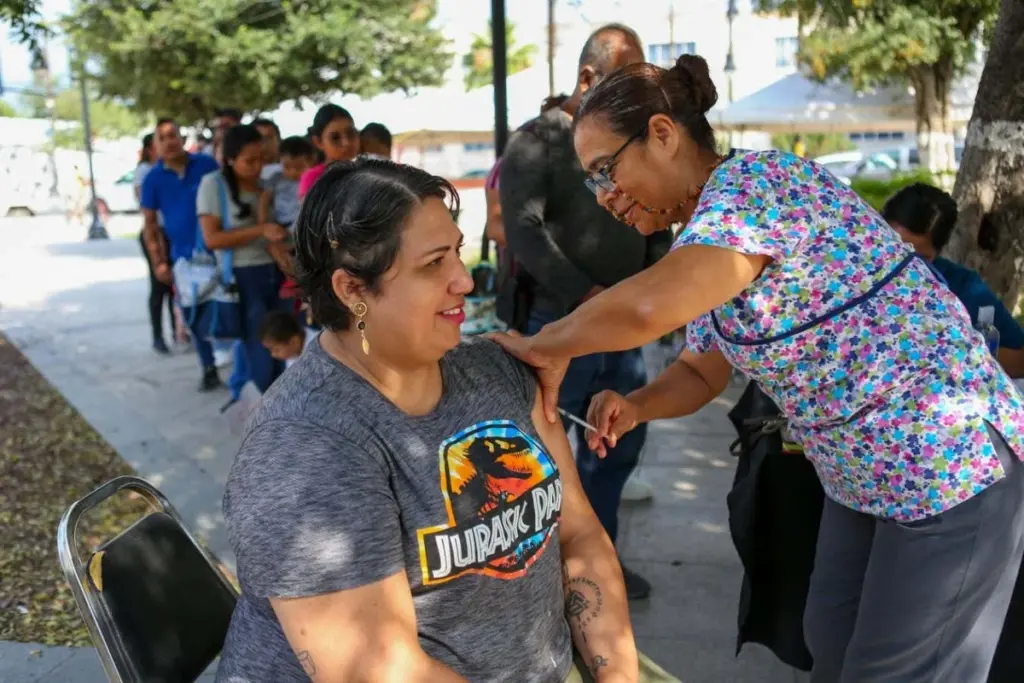
The decision to receive a shingles vaccination is driven by personal experience, having had the illness during university and still bearing the resulting scars. This firsthand encounter fuels a desire to avoid a recurrence. However, the rationale behind the shingles vaccine extends beyond its primary purpose. It highlights a broader, often underappreciated phenomenon: many vaccines offer benefits that far surpass protection against a single pathogen, a fact not as widely disseminated as it could be.
Consider shingles itself. A substantial study involving over a million individuals, published last year, revealed a significant correlation: those who received the Zostavax shingles vaccine exhibited a 26% lower likelihood of mortality from heart disease or experiencing events like stroke, heart attack, or heart failure over an average of six post-vaccination years. This represents a considerable risk reduction achieved through a remarkably simple and accessible intervention.
The advantages continue with newer vaccines. Individuals administered Shingrix, a more recent shingles vaccine, demonstrated a 17% decreased incidence of developing dementia within the subsequent six years when compared to those who received Zostavax. Given that multiple studies indicate Zostavax also contributes to reducing dementia risk, the overall protective effect of Shingrix is theoretically even more pronounced. This observation is not isolated; several other vaccines, including those targeting influenza and tuberculosis, appear to offer a similar protective effect against dementia.
In countries like the United States and Australia, shingles vaccination is recommended for individuals aged 50 and above, as well as adults with compromised immune systems. In the United Kingdom, however, access through public healthcare is restricted to those between 70 and 79 years old, unless they fall into the immunocompromised category. This age restriction prompts a personal decision to pursue private vaccination to avoid waiting for public eligibility.
Shingles is an activation of the varicella-zoster virus, the same virus responsible for chickenpox in childhood. It then lies dormant within nerve cells, capable of reactivating later in life. The possibility exists that vaccinating children against chickenpox might confer some long-term advantages, though research specifically investigating this is currently limited.
Influenza vaccines also contribute to cardiovascular health. An analysis pooling data from over 9,000 participants across six trials indicated that individuals vaccinated against the flu had a 34% lower risk of experiencing a heart attack or stroke within the following year. This protective effect was even more pronounced in individuals with a recent history of cardiac conditions.
Emerging vaccines for respiratory syncytial virus (RSV) also show promise in mitigating heart-related issues. One study involving approximately 130,000 individuals over the age of 60 found that recipients of a particular RSV vaccine were less likely to require hospitalization for cardiac or pulmonary complications compared to their unvaccinated counterparts.
Even the COVID-19 mRNA vaccines have demonstrated an ability to enhance the immune response to tumors when used in conjunction with immunotherapy, leading to extended survival rates.
While the list of such examples could be extended, the underlying question is why so many vaccines exhibit these broader benefits. The precise biological mechanisms are not fully elucidated but the phenomenon is not entirely unexpected. Viruses can inflict lasting physiological damage. Furthermore, the body’s own immune response to viral infections can, paradoxically, harm tissues.
Severe immune overreactions, often termed “cytokine storms,” where the body releases excessive immune-signaling molecules, are frequently implicated in fatalities from infections like influenza or COVID-19. Evidence is also mounting that multiple sclerosis may stem from the immune system’s reaction to the Epstein-Barr virus.
Many viruses also employ strategies to evade the immune system, often by directly targeting and weakening our defenses. HIV, for instance, takes this tactic to an extreme, leading to the immune system’s destruction.
Certain viruses, such as the varicella-zoster virus previously mentioned, cannot be eradicated from the body once infection occurs. Others, like human papillomavirus (HPV), further complicate matters by integrating their genetic material into host cells. This genomic integration is the underlying reason why HPV can lead to cancer.
The crucial point is that even viral infections commonly perceived as benign, such as influenza in younger individuals, can trigger long-term health consequences that are not always immediately traceable to the initial infection. The widespread recognition of “long COVID” has served to illuminate these lingering effects and, by extension, the protective role of vaccines in reducing such long-term harm.
There exists a perspective in certain circles that “natural immunity” acquired through contracting a disease is inherently superior to immunity conferred by vaccination. This notion is demonstrably flawed for numerous reasons, with measles serving as a particularly illustrative example. Measles vaccines have drastically reduced annual global deaths from the disease. Before 1980, this figure exceeded 2 million; by 2024, it had fallen to below 100,000. Moreover, these vaccines have yielded an unexpected benefit: a reduction in mortality among children from other infectious diseases.
The explanation for this phenomenon involves several factors. One significant aspect is that measles itself can deplete certain immune cells, rendering children more susceptible to a broad spectrum of infections for years post-recovery. However, measles vaccines also appear to condition the immune system, enhancing its overall effectiveness. This “training effect” is considered so valuable that proposals exist to continue measles vaccination even if the disease itself is eradicated.
It is, of course, unrealistic to assume all vaccines confer such broad immune-training benefits. Some evidence suggests a limited number of vaccines may have the opposite effect. Nevertheless, this does not negate their overall life-saving impact.
As is consistently the case with vaccine decisions, the paramount consideration is whether the benefits of vaccination outweigh the risks of remaining unvaccinated. Making an informed choice necessitates a balanced assessment of infection risks versus vaccination risks, alongside a careful consideration of a vaccine’s wider, often overlooked, advantages. All too frequently, the public discourse is disproportionately focused on exceedingly rare or entirely unsubstantiated adverse vaccine effects.
For this individual, the path forward is clear. The shingles vaccine will be administered, alongside an annual flu jab and, at minimum, the RSV vaccine when it becomes available.