
More than a year after a tragic incident on Austria’s Grossglockner mountain, where a 33-year-old woman succumbed to the cold, her boyfriend is now on trial. He stands accused of gross negligent manslaughter, facing charges related to leaving her unprotected and exhausted near the summit during a severe storm in the early hours of January 19, 2025. The prosecution alleges he went to seek help without adequately safeguarding her.
This trial has garnered significant attention, resonating not only within Austria but also among mountaineering communities globally. The case probes the critical line between personal judgment and risk-taking in extreme environments and the potential for criminal liability.
Prosecution’s Case: A Responsible Guide’s Failure
State prosecutors in Innsbruck contend that the man on trial, identified by Austrian media as Thomas P, was the “responsible guide for the tour.” As the more experienced climber, they argue he failed to make timely decisions to turn back or summon assistance for his girlfriend, Kerstin G. His defense, led by lawyer Karl Jelinek, maintains her death was a “tragic accident.”
The tragedy unfolded during the couple’s climb of the 3,798-meter (12,460-foot) Grossglockner. Prosecutors have outlined a series of nine alleged errors made by Thomas P from the expedition’s inception.
Alleged Preparatory and On-Mountain Mistakes
A central tenet of the prosecution’s argument lies in the defendant’s role as the “responsible guide,” given his extensive experience in high-altitude Alpine tours and his personal planning of this particular excursion. They highlight that his girlfriend had no prior experience with Alpine tours of such length, difficulty, or altitude, especially considering the challenging winter conditions.
Further accusations include starting the ascent two hours behind schedule and failing to pack adequate emergency bivouac equipment. Prosecutors also point to the allegedly unsuitable footwear provided to his girlfriend – snowboard soft boots – which they deem inappropriate for a high-altitude trek across mixed terrain.
Defense’s Counterarguments: Shared Responsibility and Accident
Thomas P disputes these claims. His lawyer, Karl Jelinek, stated that the couple jointly planned the expedition. Both individuals, Jelinek asserted, considered themselves sufficiently experienced, adequately prepared, and well-equipped, possessing relevant Alpine experience and being in excellent physical condition.
Divergent Accounts of the Ascent
Prosecutors maintain that strong winds, reaching up to 74 km/h (45 mph), and frigid temperatures – recorded at -8°C (17.6°F), with a windchill of -20°C (-4°F) – should have prompted the couple to turn back when it was still feasible. However, they continued their ascent.
The events following this decision diverge in accounts. According to the defense, the couple reached Frühstücksplatz at 13:30 on January 18th, a point from which turning back before the summit was the only viable option. As neither felt exhausted or overwhelmed, they proceeded onward.
Prosecutors, conversely, state the couple became stuck around 20:50. They allege Thomas P did not contact the police nor send distress signals when a police helicopter passed overhead approximately two hours later. The defense counters that at this stage, both individuals felt well and did not seek help, believing they were close to the summit.
Escalation and the Decision to Leave
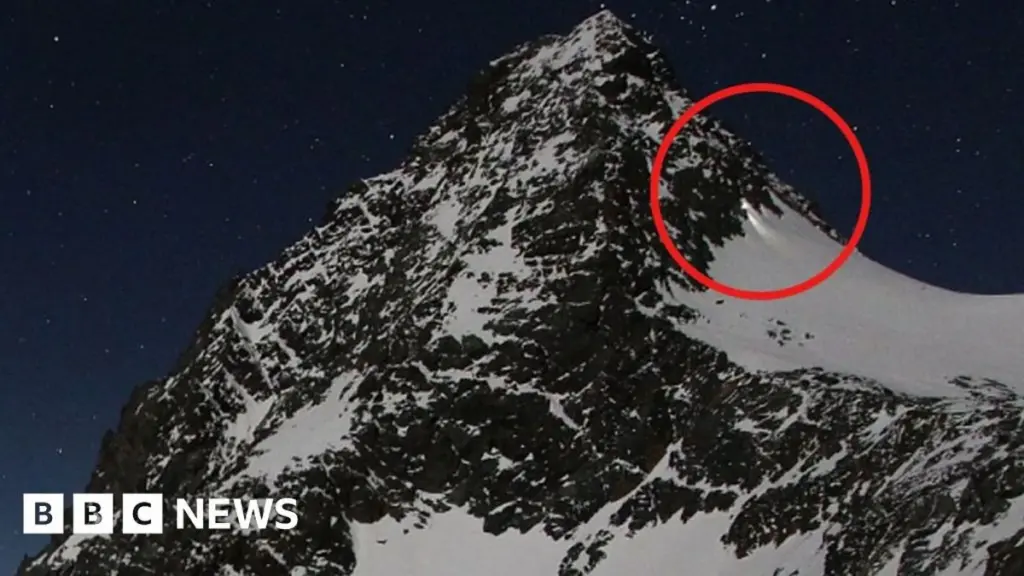
Webcam footage from the mountain showed their torchlights as they ascended. However, the situation reportedly changed dramatically shortly thereafter. The defense claims, to the man’s considerable surprise, his girlfriend suddenly displayed significant signs of exhaustion, by which point turning back had become impossible.
At 00:35 on January 19th, Thomas P contacted mountain police. While the precise content of this conversation is disputed, his lawyer insists he requested assistance and denies telling police that everything was fine. Police, however, allege he subsequently put his phone on silent and ignored further calls.
Karl Jelinek stated that the couple managed to reach an area approximately 40 meters (130 feet) below the summit cross. As his girlfriend was too exhausted to continue, he descended from the summit and proceeded down the other side to find help. Prosecutors place this decision at 02:00 AM.
The Aftermath and Potential Consequences
Webcam images captured the defendant’s descent from the summit, illuminated by his torch. Prosecutors allege he did not utilize aluminum rescue blankets or other gear to shield his girlfriend from the cold. They further state he waited until 03:30 before notifying emergency services, a point by which helicopter rescue was likely impossible due to the strong winds throughout the night.
Kerstin G died alone in the snow on the mountainside. If found guilty, Thomas P faces a potential prison sentence of up to three years. The verdict could also establish significant precedents for mountain sports, potentially influencing the extent of liability climbers bear for their companions in future expeditions.