
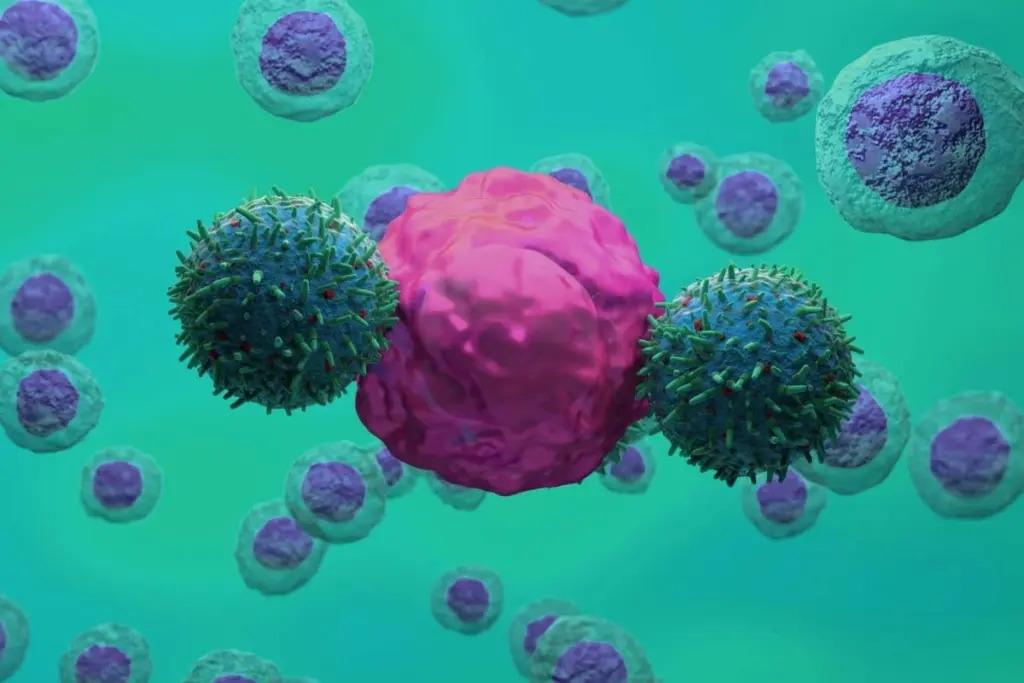
Genetically engineered immune cells, known as CAR-T cells, are being investigated for their potential to slow the progression of amyotrophic lateral sclerosis (ALS). The proposed mechanism involves eliminating overactive immune cells within the brain that contribute to the neurodegenerative condition.
Davide Trotti, based at the Jefferson Weinberg ALS Center in Pennsylvania, emphasized that this approach is not intended as a cure. “The goal is slowing down the disease,” he stated. Given the typical life expectancy for individuals diagnosed with ALS, which ranges from two to five years, even a modest deceleration of the condition’s advancement could significantly improve quality of life. Researchers also believe this strategy might offer benefits in slowing other neurodegenerative disorders.
ALS, also recognized as Lou Gehrig’s disease, arises from the deterioration of motor neurons, the nerve cells responsible for controlling voluntary muscle movements. Stephen Hawking, a renowned physicist, lived with ALS for an extended period, an exceptional case as fewer than 10 percent of patients survive more than a decade after diagnosis.
Current Treatment Landscape for ALS
While advancements have been made in treating forms of ALS caused by specific genetic mutations – which constitute only 5 to 10 percent of all cases – effective treatments for the remaining sporadic forms, where the cause remains unknown, are still lacking. Trotti noted that progress in therapy development has primarily focused on these genetically influenced cases.
The Role of Neuroinflammation in ALS
Emerging evidence points to inflammation within the brain as a contributor to motor neuron death. A particular focus is on microglia, a type of immune cell in the brain that can enter an overactive state. Normally, microglia serve a protective function, defending the brain against infections, clearing cellular debris, and managing synaptic connections between neurons. However, when they become excessively active, they can lead to the removal of too many synapses, exacerbating neuronal loss and contributing to the disease’s progression. “They become out of control,” Trotti remarked.
Identifying and Targeting Damage-Amplifying Microglia
Through experiments involving brain and spinal cord tissue from individuals with ALS, Trotti’s team identified a protein, uPAR, present in high quantities on the surface of these detrimental microglia, which they termed “damage-amplifying microglia.” This presence acts as a distinct marker. “So they are tagged, and knowing the tag, we can go after them and remove them from the central nervous system,” explained Trotti.
CAR-T Cell Therapy for ALS
To address this, the researchers are exploring CAR-T (chimeric antigen receptor T-cell) therapy. These are immune cells that have been genetically modified to identify and destroy cells bearing specific surface proteins. CAR-T cells have demonstrated considerable success in treating certain cancers and are now being tested for a wider array of conditions, including the autoimmune disorder lupus.
In laboratory studies using cultured cells, Trotti’s group found that CAR-T cells engineered to target uPAR could effectively eliminate the rogue microglia without harming neurons. While this treatment cannot regenerate lost motor neurons, the expectation is that it will significantly reduce further neuronal damage.
Ongoing Trials and Future Outlook
Current research includes trials in mice genetically predisposed to develop a form of ALS, with results anticipated within approximately one year. The severe nature of ALS and the scarcity of existing treatments suggest that regulatory agencies may facilitate expedited human trials if these preclinical results prove encouraging.
Ammar Al-Chalabi from King’s College London, whose team has investigated immune-related therapies for ALS, commented on the growing evidence of immune system involvement in the disease. “The evidence for immune dysfunction in ALS is mounting,” he said. “This seems a very promising and interesting approach to me.”
The potential for damage-amplifying microglia to contribute to other neurodegenerative conditions, such as certain types of dementia, means this therapeutic strategy could have broader applications beyond ALS. “It could be a way of slowing down those kind of neurodegenerative conditions,” Trotti suggested.
Challenges and Developments in CAR-T Cell Therapy
Despite its promise, CAR-T cell therapy presents certain challenges. Significant side effects can be triggered, and the manufacturing process, often relying on a patient’s own cells, is notably expensive. Nevertheless, global research efforts are actively focused on developing safer and more cost-effective methods, including techniques for generating CAR-T cells internally within the body, thereby eliminating the need for cell extraction.