
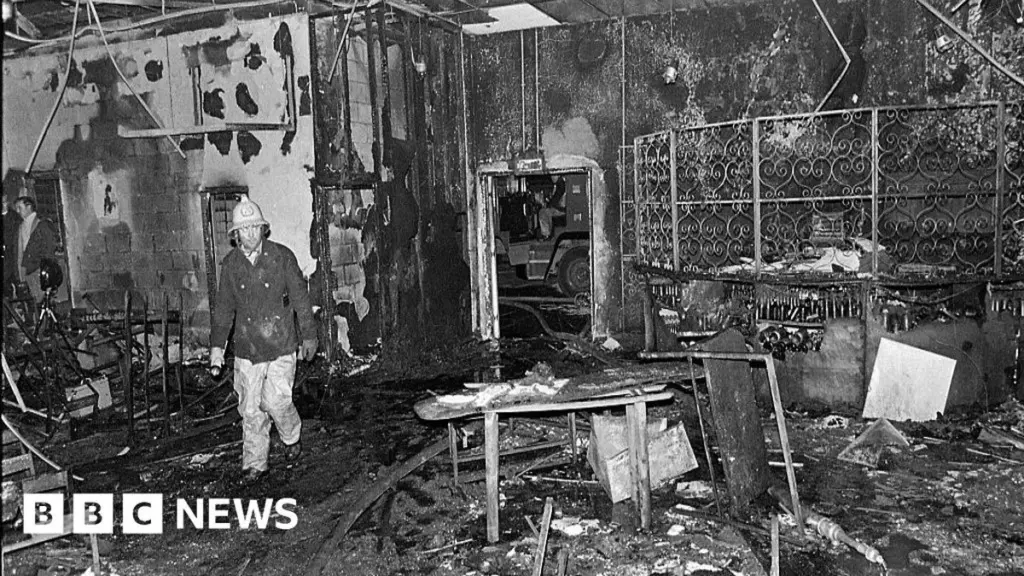
Survivors of the fatal 1981 Stardust nightclub fire, which claimed 48 lives, are set to receive payments of €20,000. This announcement comes from the Irish government as the nation approaches the 45th anniversary of the tragic event.
The blaze occurred on Valentine’s night in the Stardust nightclub in Artane, north Dublin. Beyond the 48 young individuals who perished, over 200 others sustained injuries. This disaster remains the largest fire-related tragedy in the history of the Irish state.
These new payments are designated for survivors who previously received financial awards from the Stardust Victims Compensation Tribunal, an inquiry held several years after the fire itself. While many of the victims were from the north Dublin region, three individuals hailed from Northern Ireland: Robert Hillick and James Millar from Belfast, and Susan Morgan from Londonderry.
Government Redress Scheme Implemented
A new inquest into the fire concluded in 2024, paving the way for a comprehensive redress scheme for victims. The Irish government is now proceeding with this initiative, which has a total value of €24 million. This scheme encompasses two distinct phases of support for those affected by the tragedy.
Phase One: Compensation for Deceased Victims
The initial phase of the redress scheme focused on providing compensation to the families of those who lost their lives in the fire. As part of this phase, each victim’s family was allocated €500,000. These payments were completed in August of the previous year, according to statements made by the Justice Minister.
Phase Two: Ex Gratia Payments for Survivors
The second phase, recently announced by Irish Justice Minister Jim O’Callaghan, specifically addresses survivors who were beneficiaries of the original Stardust compensation tribunal. This phase involves ex gratia recognition payments—a gesture of goodwill, rather than legal compensation for injuries.
Minister O’Callaghan stated that Phase Two fulfills the government’s commitment to a two-phased redress approach. He emphasized that these payments are intended to acknowledge the significant delays encountered in delivering truth and justice to the survivors and victims’ families.
The Justice Minister assured that the process for accessing these payments would be kept as straightforward as possible, aiming to alleviate any undue burden on survivors. “It will not place a significant burden of proof on survivors, or be overly bureaucratic, and it will be accessible without legal assistance,” O’Callaghan explained. He further clarified that these payments are not meant to be ‘compensation’ for the injuries and trauma suffered, as that was addressed by the original tribunal. Instead, they represent a recognition of the extended period before truth and justice were more fully realized.
Earlier in 2024, families who had campaigned for decades also received a formal state apology from Taoiseach (Irish Prime Minister) Simon Harris.