
At first glance, the connection between humans and deer might seem tenuous. However, a remarkable discovery concerning the regeneration of deer antlers has shed light on the subtle yet profound ways our own bodies function. This seemingly mundane biological process hints at a hidden network of communication within us.
Biologist Chunyi Li, dedicated to studying deer in northeastern China, observed an unusual phenomenon. Each year, as the deer’s antlers regrow, the animals appeared healthier. Their wounds healed more rapidly, and scarring was significantly reduced. This led Li to hypothesize that the antler regeneration process might actively promote regeneration throughout the entire body.
Li’s suspicion was validated last year. Collaborating with colleagues at Changchun Sci-Tech University in Jilin, China, he found that growing antlers release specific signals. These signals instruct other parts of the body to initiate regenerative wound-healing responses, revealing an previously unknown communication system connecting distant organs.
This revelation extends beyond deer. Recent years have seen researchers uncover a complex web of interactions among human organs and tissues, even those once considered static. We now understand that fat and brain tissue engage in a dialogue that influences the aging process. Similarly, the skeletal system transmits information to the pancreas, thereby regulating metabolism, among many other intricate exchanges.
By deciphering these communication pathways, the possibility arises for developing novel strategies to enhance health and mitigate aging. Some clinical trials are already exploring these promising avenues.
Crosstalk Between Organs: A New Frontier
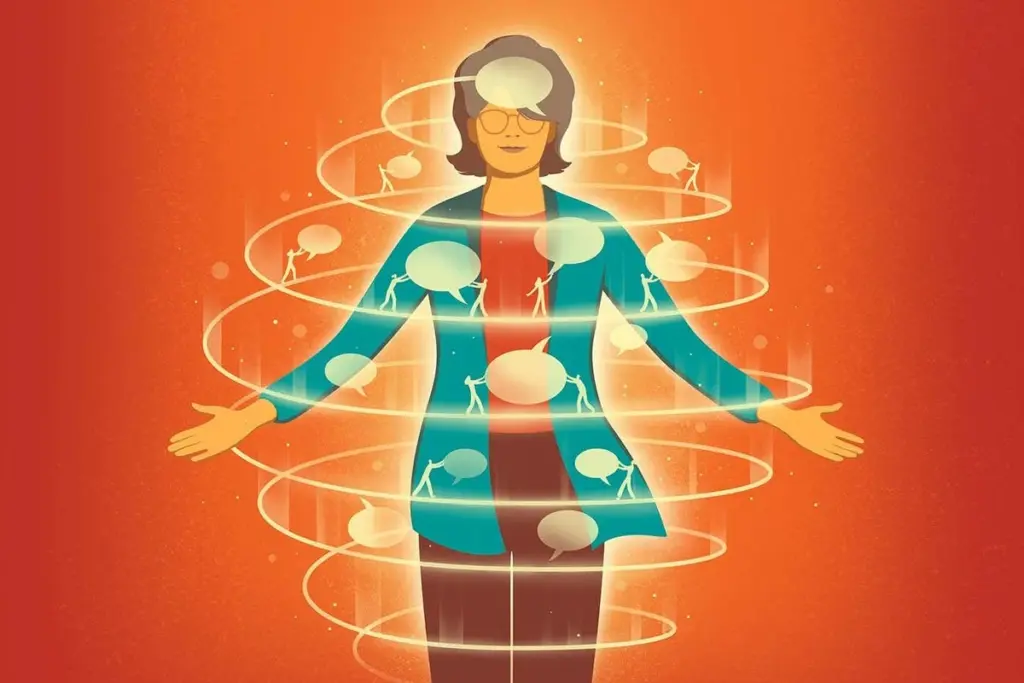
These emerging findings stem from the burgeoning field of inter-organ communication. This area builds upon the established physiological concept that organs cooperate to form a cohesive functional whole. While the transmission of information via nerve networks and hormones has long been understood, the extraordinary aspect of recent discoveries lies in the increasing variety of methods organs and tissues employ to “converse” and coordinate their actions. Inter-organ communication is now considered fundamental to the regulation of metabolism, aging, and overall well-being.
“I anticipate we will suddenly realize organs are communicating in ways we were unaware of,” stated Irene Miguel-Aliaga from the Crick Institute in London. “Once this is recognized, we can then identify what goes awry in disease.”
Early indications that certain organs and tissues possessed capabilities beyond initial assumptions surfaced in the mid-1990s. Researchers identified adipose tissue, or fat, as a producer of the hormone leptin, which plays a role in appetite control and the body’s energy balance. This discovery fundamentally altered the perception of fat, transitioning it from a passive storage tissue to a dynamic and crucial organ.
Subsequent research revealed that nearly every organ and tissue contributes to this communication network. Bone, long viewed as a mere inert structural component, has proven to be a significant surprise. It now functions as a sophisticated “endocrine” organ, secreting osteocalcin. This hormone influences metabolism, male fertility, and even athletic performance. Osteocalcin’s reach extends to the brain, where it has been shown to reduce anxiety, improve spatial memory, and enhance cognitive functions. Restoring declining osteocalcin levels may offer a pathway to address age-related declines in muscle and brain function.
The skeleton’s widespread influence is attributable to its substantial energetic demands. To repair microfractures caused by mechanical stress, bone undergoes continuous remodeling. Cells known as osteoclasts break down bone, while osteoblasts rebuild it. “Bone health must be linked to energy metabolism in a way that allows bone to grow without compromising other organs and functions,” explained Gerard Karsenty at Columbia University in New York. This intricate balance explains bone’s significant impact on numerous other organs and tissues. Crucially, other organs also communicate back.
Adipose tissue, for example, communicates with bone via leptin. Since 2002, research has indicated that fat sends signals to the brain, which in turn enhances nerve activity within the sympathetic nervous system. This system’s extensions reach many organs, including bone. There, nerve endings signal osteoblasts, influencing bone formation and resorption. Consequently, leptin signals from fat serve as a primary regulator of bone mass.
Osteoporosis Treatment Potential
A 2018 study demonstrated that these signals can be modulated using existing blood pressure medications known as beta-blockers. These drugs inhibit stress hormones like adrenaline, released by the sympathetic nervous system. This suggests a potential cost-effective strategy for preventing bone loss in postmenopausal women and older individuals more broadly. Two clinical trials are currently investigating this application.
Osteoporosis is not the sole condition poised to benefit from interventions in inter-organ signaling; aging itself is emerging as a target. This development is fueled by the 2013 discovery that a small brain region, the hypothalamus, appears to integrate signals from multiple organs, acting as a high-level controller of aging and, consequently, longevity.
Shin-ichiro Imai at Washington University in St. Louis, Missouri, whose team was instrumental in this discovery, views this orchestration as an interconnected system that maintains stable function or “robustness.” When this robustness deteriorates, it leads to aging and physiological decline. “We need to integrate all the diverse components from each level, from molecular and cellular to tissue and organ, to understand the entire system,” he commented.
Longevity Controller Unveiled
Imai and his colleagues have pieced together a significant portion of this puzzle. In 2024, their research showed that a specific group of neurons in the hypothalamus of mice communicates with adipose tissue via the sympathetic nervous system. This interaction triggers the release of an enzyme essential for the production of NAD+. NAD+ is a critical molecule for cellular metabolism and is associated with longevity. When researchers stimulated these neurons in older mice, they exhibited extended lifespans compared to control groups.
“This represents the first demonstration in mammals that the manipulation of specific neurons can indeed delay aging and extend lifespan,” Imai noted. Furthermore, the 2024 study concluded that “these findings clearly demonstrate the importance of inter-tissue communication… in mammalian aging and longevity control.”
Other organs, including skeletal muscle and the small intestine, also engage in communication with the hypothalamus. In ongoing, unpublished work, Imai’s team has identified the hormone utilized by skeletal muscle to communicate with this brain region.
Rapid Aging Bursts Prompt Rethinking
Sudden experiences of accelerated aging may prompt a complete re-evaluation of how we grow old. Current evidence suggests that instead of a gradual, linear decline, aging occurs more distinctly around three specific life stages. This raises the question of whether it is possible to maintain a younger physiological state for longer periods.
Each communication pathway, while operating independently, works synergistically to preserve the overall system’s robustness. This robustness can then be leveraged. Instead of relying on supplements to boost NAD+ in hopes of slowing aging—a strategy whose efficacy in humans remains under investigation—Imai proposed a new approach last year called “inter-organ communication management.” This concept involves interventions designed to simultaneously strengthen these brain-organ conversations as a preventative anti-aging measure. “We are working to translate this idea to humans,” he stated.
The Body’s Diverse Languages
Achieving this requires a comprehensive understanding of the myriad communication systems organs employ to transmit messages. It is now recognized that organs utilize a surprisingly diverse array of “languages” beyond the well-established routes of hormones and nerve signaling. These include metabolites, which convey information about energy status and cellular health, and novel signaling molecules. An example is the molecules released by contracting skeletal muscles that influence numerous other tissues, including the brain and liver.
Advancements in analytical technologies continuously uncover new types of these messengers. For instance, in January, researchers demonstrated how beige fat, a type of body fat, regulates blood pressure through a protein it produces called QSOX1, which influences blood vessel stiffness. A study from November of the previous year found that cancer cells manipulate inter-organ signaling, specifically through nerves, to weaken the immune response directed against them.
Among the most compelling discoveries in inter-organ communication is the role of extracellular vesicles (EVs). These bubble-like structures, continuously shed by cells, transport various signaling factors throughout the body. Initially observed in the 1980s, EVs were thought to be cellular waste. However, it is now understood that a diverse range of EVs, varying in size and cargo, exists. Large vesicles can carry mitochondria, the powerhouses of the cell, while smaller exosomes deliver microRNAs that can modify gene activity in recipient cells.
New EV varieties are consistently being identified. Last year saw the discovery of exceptionally large EVs termed “blebbisomes,” functioning as mobile communication hubs. At the other end of the size spectrum are exomeres and supemeres, both discovered in 2021, which lack a membrane casing. Additionally, oncosomes, produced by cancer cells, are also emerging as significant players in health and disease.
In a 2022 study, Saumya Das at Harvard Medical School and colleagues demonstrated that heart cells and fibroblasts, a type of connective tissue cell, communicate via EVs to limit scarring in cases of heart failure. Conversely, EVs can also contribute to disease. In 2023, Das’s team showed that EVs originating from the heart can reach the kidneys and inflict damage by delivering harmful microRNAs—damage that therapeutic interventions might potentially prevent.
Obesity also exerts some of its bodily effects through EVs. These vesicles can interact with multiple organs, crossing the blood-brain barrier to communicate with microglia, immune cells within the brain implicated in neuroinflammation. “We are investigating the entire connection between obesity and dementia,” Das stated. Fat also communicates with the liver via EVs, which are increasingly recognized as a factor in a form of liver disease stemming from metabolic dysfunction. Furthermore, fat-derived EVs appear to influence the development of heart arrhythmias associated with obesity.
Recent research also implicates EVs in neurodegenerative conditions like Alzheimer’s and Parkinson’s diseases. These vesicles can transport microRNAs and pathological proteins from the brain to peripheral organs, offering an explanation for the progression of these conditions beyond the central nervous system.
The Aging Process and Senescent Cells
Even the aging process is revealing the pivotal role of these once-enigmatic vesicles. A primary contributor to aging is the accumulation of senescent, or “zombie,” cells, which promote inflammation and tissue damage, leading to age-related decline. Senescent cells release EVs that, akin to embers from a wildfire, can induce senescence in neighboring cells, even in distant organs. For instance, senescent cells in the lungs of individuals with chronic lung disease emit EVs that trigger senescence in remote blood vessels, likely contributing to the “multimorbidity of the elderly”—the common co-occurrence of multiple chronic conditions such as heart disease, muscle wasting, and kidney disease in older adults.
Despite these advances, a complete understanding of the variety of EVs within the body and their precise functions remains a significant undertaking. Nonetheless, this work underscores the interconnected nature of bodily systems, reinforcing the idea that “no organ is an island.” “You genuinely cannot consider [diseases affecting these organs] in isolation,” Das commented. He noted that leading forms of heart failure were historically believed to be solely cardiac issues. “However, the more one examines it, the more it becomes apparent as a systemic disease,” Das explained. “It involves obesity, liver dysfunction, kidney dysfunction, and even dementia.” This may help explain the therapeutic success of GLP-1 drugs in treating heart failure, despite their original development for weight loss and diabetes management.
A New Health Measure Revolutionizes Aging Perspectives
Life expectancy has seen a dramatic increase over the past century; however, the progression of healthy years has not kept pace. A new perspective on what constitutes healthy aging is now reshaping our understanding of later life.
This complex interplay prompts the question of why our organs employ such a diverse range of communication methods. One hypothesis suggests that the spatial context of communication is significant. “Perhaps there is a positional logic to this communication, and for that reason, it matters which organ is adjacent to which,” observed Miguel-Aliaga. In 2024, her team found that in fruit flies, neighboring organs influence each other’s shape by secreting specific substances, and altering their geometry can affect their function.
“We do not yet fully grasp this spatial specificity. However, I believe it will become important because it will introduce a layer of information between the organ and organism level that remains unknown to us,” Miguel-Aliaga stated. “Potentially, it constitutes a language in itself.”
One advantage of such communication systems is their versatility in directing specific messages to particular “audiences” of tissues and organs. Some signals, like conventional hormones, are broadcast widely across the body, akin to a national radio broadcast. Others may be localized, with organs exchanging information discreetly, much like neighbors conversing over a garden fence.
While the precise reasons for the necessity of so many communication languages are not yet definitively understood, their existence highlights the complexity involved in coordinating a collection of organs in space and time to form a single organism. It suggests that despite our current knowledge of organ functions, each organ likely possesses a range of additional capabilities yet to be discovered.
Restoring effective communication—at local, organ-wide, and body-wide levels—could also enhance our understanding of regeneration and potentially improve human regenerative capabilities. Experiments that link the circulatory systems of young and old mice have identified signals that can rejuvenate certain tissues and extend lifespan. Studies of animals known for their exceptional regenerative abilities are increasingly indicating that this process often involves coordinated responses from multiple tissues and organs, even those distant from the site of injury.
For instance, amputating an axolotl’s leg elicits a systemic reaction. Cells at the injury site revert to a more embryonic state, forming a blastema, which provides the cellular plasticity needed to regenerate the limb—a feat mammals cannot achieve. Simultaneously, cells in the contralateral limb and in organs such as the liver, heart, and spinal cord also begin to divide. Intriguingly, although mice do not exhibit the same broad response, damaging a muscle in one limb can prompt stem cells in the opposite limb to enter an “alert” state, enabling them to respond more rapidly to subsequent injuries. This priming is initiated by a signal present in the blood.
Li’s research on deer antlers demonstrates comparable principles, showing that both local interactions between adjacent tissues and systemic communication are integral to this remarkable act of regeneration. Applying extracts from the blood of deer undergoing antler regeneration to wounded rats caused the rats’ wounds to shift to a regenerative healing mode, resulting in near scar-free repair. Li and his team are currently developing a formula for human testing.
New Therapies from Inter-Organ Communication
Indeed, a significant challenge for this field lies in translating discoveries into novel therapies, a process that is beginning to unfold. For example, an ambitious initiative involving five research centers in Germany was launched last year to investigate the role of disrupted inter-organ communication in the irreversible muscle loss associated with conditions like cancer and chronic obstructive pulmonary disease. Specific metabolites linked to these conditions can reprogram immune cells, which then promote muscle wasting. The project aims to identify these metabolites with the ultimate goal of developing targeted therapies. In the United States, the National Institute on Aging has also designated inter-organ communication as a research priority.
It took four decades of diligent observation for Li to uncover the secret behind the deer’s remarkable annual rejuvenation. It appears our own bodies have been equally enigmatic, with organs communicating amongst themselves without our awareness. Now that we are learning to decipher these conversations, we can explore avenues to harness their power for our benefit.