
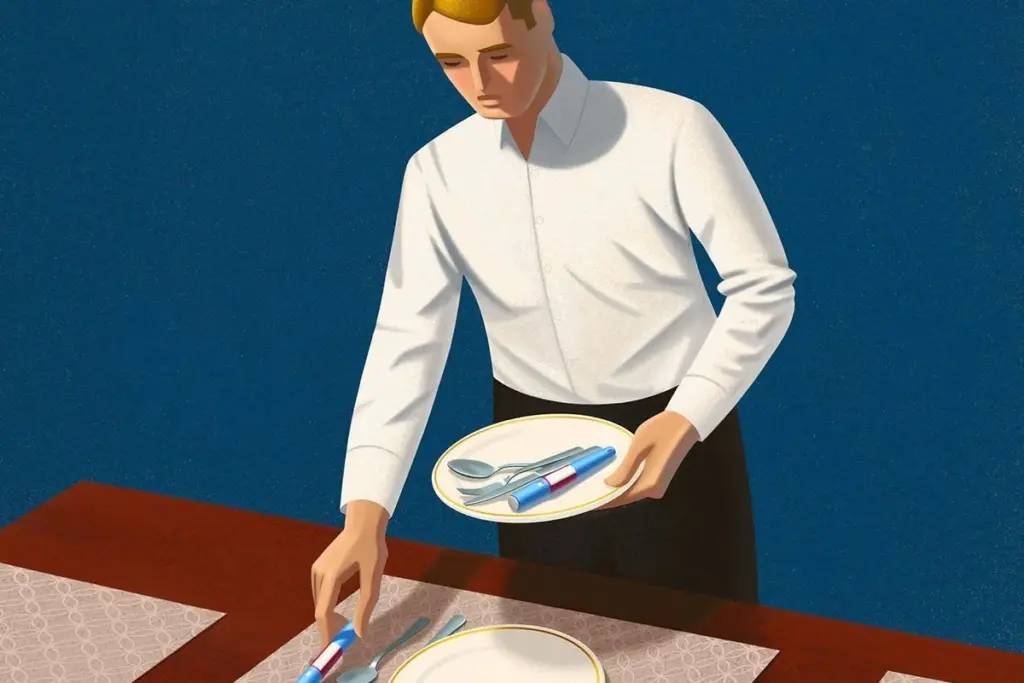
Oprah Winfrey’s television special, “Shame, Blame and the Weight Loss Revolution,” which premiered in March 2024, has garnered over 4 million streams. During the program, the talk show host described Ozempic as a source of “relief and support and freedom” that some individuals had long awaited. While such sentiments may be easily expressed by a figure of Winfrey’s considerable means, the reality of weight-loss drugs is more complex. Though potentially transformative for those struggling with obesity, access to these medications is far from equitable, with significant implications for the prevalence of obesity across different socioeconomic strata.
This disparity in access is merely one of several emerging societal challenges. A return to ultra-slim beauty standards seems plausible, and some analysts anticipate shifts in our collective consumption of processed foods. In the era of widespread Wegovy use, there is also a potential for increased stigmatization of obesity in certain countries. This article is the latest in an ongoing series examining the surge in GLP-1 agonists.
Unequal Access to Weight-Loss Medications
In the United Kingdom, eligibility for Wegovy or Mounjaro through the National Health Service is generally restricted to individuals with a body mass index exceeding 35 (classifying them as obese) and at least one obesity-related health complication. Conversely, in the United States, these weight-loss drugs often fall outside the scope of insurance coverage, necessitating out-of-pocket payments for many. With monthly costs approximating $1000 in the U.S. and £150 to £200 in the U.K., Professor Margaret Steele of University College Cork notes that “better-off people will have access and poor people won’t.”
The Cementing of Societal Divides
Given the established correlation between lower income levels and a higher risk of obesity, this unequal access to GLP-1 drugs is poised to “just cement the association between being fat and being poor,” Steele explains. This sentiment is echoed by others. Samantha Scholtz, from Imperial College Healthcare NHS Trust in London, asserts, “If we don’t make these medications available to people who can’t afford to buy them privately, then we will definitely be widening the stigma and the societal divide that we see in obesity already.”
Furthermore, a prevalent lack of understanding regarding these access barriers could lead to individuals with obesity being subjected to judgment for not utilizing these medications. Andrew Steptoe of University College London suggests, “There might be an attitude of, ‘Why aren’t you on Ozempic?’ That, in itself, becomes a judgement in the way that some people think, ‘Why don’t you just stop eating so much?'” This mirrors existing societal pressures that often frame excess weight as a matter of personal failing rather than a complex health issue.
Beyond Medical Necessity: Cultural Desires and Individual Choice
Even setting aside financial considerations, these medications are not universally suitable or desired. Like all pharmaceuticals, they carry potential side effects. Moreover, not every individual achieves the 15% to 20% weight reduction observed in clinical trials for semaglutide. Some people may also simply prefer not to take these drugs. Apryl Williams and Mel Monier of the University of Michigan, responding to Oprah’s special, highlighted in the journal Critical Studies in Media Communication that the program “did not feature a fat person who was happy. We do exist,” underscoring the absence of voices representing contentment at a larger size.
Beyond the medical aspects of obesity, a “cultural desire for thinness” is expected to fuel demand for these drugs, according to Francis Finucane at the University of Galway. In societies that highly value slimness, this could encourage individuals who are not clinically obese to use drugs like Ozempic, potentially pushing them from a healthy weight to being underweight. Recent appearances on red carpets already hint at a resurgence of a more waif-like aesthetic. Bjørn Hofmann of the Norwegian University of Science and Technology posits that if the general population’s weight decreases, “so may the norms, whether that is [what is] attractive or normal or something you should strive for.”
Shifting Perceptions of Obesity
On a more positive note, some researchers are hopeful that these medications might contribute to obesity being recognized as a medical condition rather than a moral failing. Finucane suggests, “These drugs will help people to understand that obesity is a biological, physiological, metabolic problem, rather than a psychological problem or a motivational problem.”
However, the impact of these drugs is not a panacea. A 15% body weight reduction might transition an individual from severe to moderate obesity. Steptoe points out, “The social stigma of that probably is still quite high, right?” He further notes that obesity stigma is “pretty entrenched in our society” and would require substantial effort to dismantle, remarking, “I wouldn’t hold my breath.”
Impact on Food Environment and Consumption Habits
GLP-1 drugs might also reshape the landscape of obesity in a different manner. Growing reports indicate they can reduce “food noise,” thereby diminishing obsessive thoughts about eating. Steele observes that Ozempic “seems to take away that extra voice that’s always telling you you’re hungry.” One trial demonstrated that participants taking semaglutide not only consumed 24% fewer calories but also showed a reduced preference for fatty, energy-dense foods compared to those receiving a placebo. Another study found that U.S. households with at least one individual on GLP-1 drugs purchased fewer calorie-dense processed items and reduced their spending at fast-food and coffee chains by 9%.
These findings prompted strategists at Barclays bank to advise selling stocks in fast-food companies. Some researchers are optimistic that Ozempic could lead to the closure of junk food establishments, contributing to obesity prevention for the general population. Ted Kyle of ConscienHealth, an obesity advocacy group, states, “Your genes set the table for obesity and the environment serves it up.” Scholtz adds, “This intervention has the power to influence the food environment,” suggesting that “Our children and the generations that come after us have a better chance of not developing obesity in the first place.”
How GLP-1 Receptor Agonists Function
Medications such as semaglutide (marketed as Wegovy for weight loss and Ozempic for diabetes), liraglutide (Saxenda and Victoza), and exenatide (Byetta) operate by mimicking the effects of glucagon-like peptide-1 (GLP-1). This naturally occurring hormone signals satiety, or fullness, after meals and stimulates insulin secretion, which helps regulate blood sugar levels.
Collectively, these drugs, technically classified as GLP-1 receptor agonists, effectively lower hunger, leading to reduced calorie intake and, with sustained use, significant weight loss for many individuals. More recently, tirzepatide (Mounjaro and Zepbound) has entered the market; it mimics GLP-1 along with another hormone that promotes satiety, GIP.
This article is part of a special series exploring how the GLP-1 agonist boom is transforming global society.