
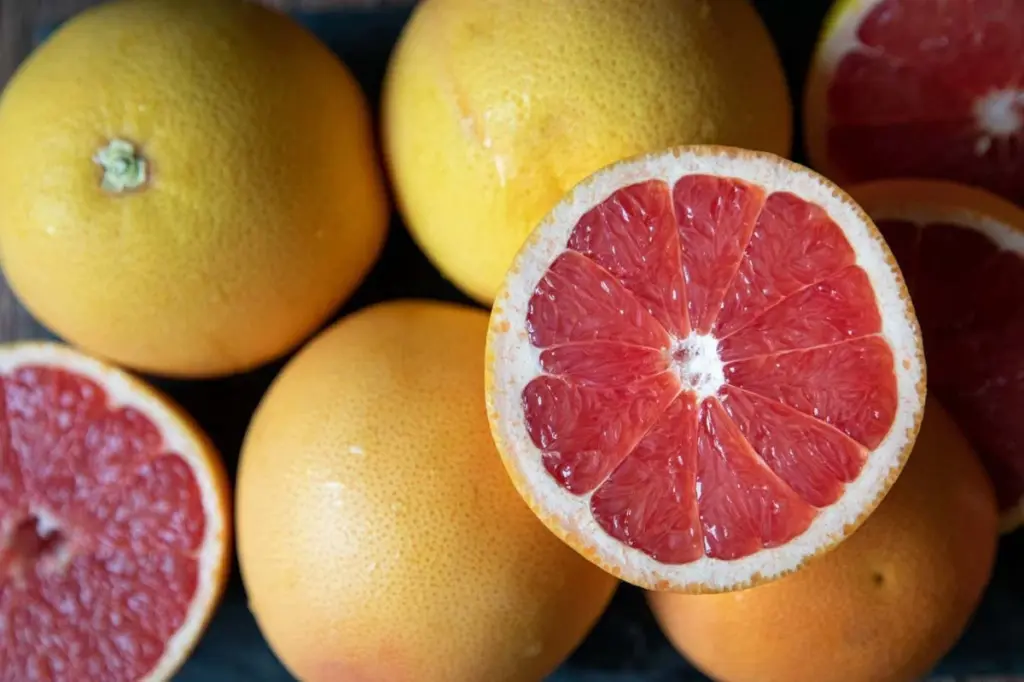
For those who typically shy away from grapefruit due to its intense bitterness, a new development in genetic technology may offer a sweeter alternative. Researchers have demonstrated that by deactivating a single gene using CRISPR technology, the level of bitter-producing compounds in grapefruit can be significantly reduced.
This advancement could potentially broaden the appeal of grapefruit, particularly for younger consumers who often find the fruit’s bitterness off-putting. Nir Carmi, from Israel’s Volcani Center, believes this approach could even play a role in sustaining the citrus industry.
Addressing Citrus Greening and Promoting Cold-Hardy Varieties
The citrus industry faces a significant challenge from a bacterial disease known as citrus greening, or huanglongbing. This disease has had a profoundly damaging effect on fruit production. Carmi points out that the insects responsible for spreading the bacteria are unable to survive in regions with cold winters.
However, citrus varieties that can tolerate cold temperatures are often too bitter to be consumed. The gene-editing technique could pave the way for the creation of edible, cold-tolerant citrus fruits. This innovation might allow citrus farming to expand from subtropical zones, like Florida, into temperate climates, including parts of northern Europe.
Understanding Fruit Acidity and Bitterness
The characteristic sourness of citrus fruits stems from their acidity. Lemons, for instance, are known for their high acid content. The bitterness, however, is a result of a different set of chemical compounds. Prior research has identified naringin as the primary contributor to grapefruit’s bitterness, with related compounds like neohesperidin and poncirin also playing a role.
CRISPR Application and Experimental Results
Carmi’s team utilized CRISPR gene editing in a specific grapefruit variety. Their objective was to deactivate the gene responsible for producing the enzyme that generates these three key bitter compounds. While it typically takes several years for grapefruit trees to bear fruit, allowing the researchers to directly taste the edited fruit is still pending. Nevertheless, tests on the leaves of the CRISPR-edited grapefruit trees showed no detectable levels of these three bitter chemicals. This leads the team to confidently anticipate their absence in the fruit itself.
A supplemental “marker gene” was also incorporated into the edited trees. This addition facilitates the team’s ability to easily identify plants where the gene editing was successful. The inclusion of this marker gene designates the trees as transgenic. This classification could complicate and increase the cost of obtaining regulatory approval for selling the fruit in many countries.
However, in certain nations, such as the United States and Japan, plants resulting from straightforward gene edits are not classified as genetically engineered. In these specific markets, the process for gaining approval is both less expensive and more straightforward.
Future Research and Potential Applications
The researchers are now focused on replicating the same gene edit in grapefruit without the addition of a marker gene. Elena Plesser, another team member at the Volcani Center, acknowledges that while achievable, this next phase will require considerable effort and meticulous work, describing it as “very tedious.”
Carmi notes that other research groups globally are engaged in similar projects. He believes his team’s work is currently the most advanced. The researchers also intend to apply the deactivation of the same enzyme to a cold-hardy citrus species, the trifoliate orange. The fruit of this plant is currently inedible due to high concentrations of naringin, neohesperidin, and poncirin.
Subsequently, these modified trifoliate orange trees are planned to be crossbred with popular citrus varieties like oranges. The ultimate goal is to develop palatable, seedless fruits that retain the cold tolerance characteristic of trifoliate oranges. The realization of this outcome is anticipated to take many years of development.
Impact on Fruit Palatability and Drug Interactions
Erin Mulvihill, who specializes in naringin research at the University of Ottawa, suggests that this form of gene editing has the potential to significantly alter the palatability of fruits. Furthermore, another factor influencing grapefruit consumption is its potential to interfere with liver enzymes responsible for drug metabolism. This interference can lead to dangerously elevated levels of certain medications, like statins, in the bloodstream for individuals taking them.
Mulvihill confirms that naringin is one of the grapefruit compounds responsible for this interaction. However, it is not the sole agent involved in these effects. She explains that eliminating grapefruit-drug interactions completely would necessitate the removal of numerous genes.