
During my university years, a biology lecturer with an intense focus on iodine and a lifelong dedication to combating global nutritional deficiencies profoundly influenced my perspective. He consistently advocated for the use of iodized salt, asserting that it had notably improved the cognitive abilities of entire populations and represented one of history’s most impactful public health advancements. His advice remains a vivid reminder, surfacing every time I browse the salt aisle at the grocery store.
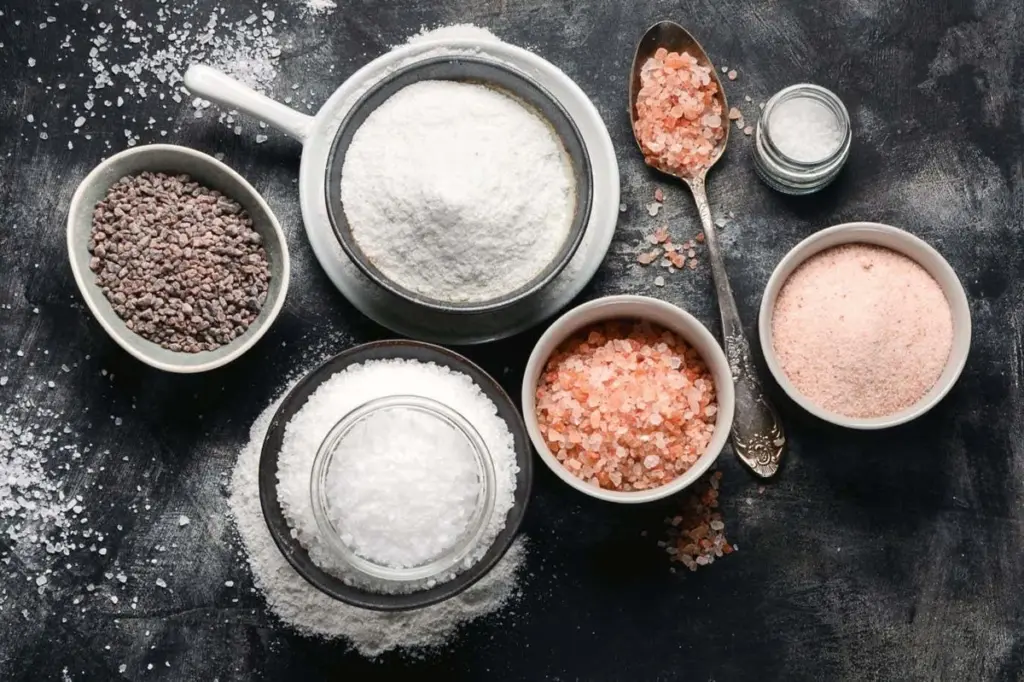
In recent times, however, locating iodized salt on store shelves has become progressively challenging. Its presence has dwindled, overshadowed by an array of artisanal options: elegantly packaged Cornish sea salt crystals, Himalayan pink rock salt, smoked salt flakes, and Kosher salt. The few remaining containers of iodized salt are often presented in plain, undistinguished packaging, appearing decidedly unfashionable. This shift prompts a pressing question: are we on the verge of negating the substantial benefits derived from this seemingly humble food additive?
Iodine’s significance lies in its role as an essential dietary mineral. The thyroid gland requires it to synthesize crucial hormones. These hormones are instrumental in regulating fundamental bodily functions, including metabolism, growth processes, digestion, heart rhythm, and overall body temperature.
Ensuring adequate iodine intake is particularly critical during pregnancy. Thyroid hormones are indispensable for the healthy development of a fetus’s brain. Studies suggest that even mild to moderate iodine deficiencies during gestation could potentially diminish intelligence by approximately 0.3 to 13 IQ points. Furthermore, iodine plays a vital role in childhood for supporting the ongoing development of the brain and maintaining proper thyroid function.
Clinical reports have documented instances of extremely selective eaters. These individuals often exhibit stunted growth for their age, face academic challenges in school, and experience persistent fatigue, all stemming from a deficiency in iodine. In both children and adults, a lack of iodine can manifest as goiter. This condition involves a visible swelling of the neck, a consequence of the thyroid gland attempting to compensate by increasing its size to capture more iodine from the bloodstream.
Natural sources rich in iodine include various types of seaweed and seafood. Cow’s milk also contains iodine, often due to its inclusion in cattle feed, as well as the use of iodine-based disinfectants employed in cleaning dairy cows’ teats and milking equipment. Fruits, vegetables, and grains can absorb trace amounts of iodine from the soil. However, soil iodine content varies considerably across different regions. Areas like Switzerland and Michigan, which was historically part of North America’s “goiter belt,” are characterized by very low soil iodine levels. Historically, these regions faced high incidences of goiter, with up to 70 percent of children in some Swiss towns affected.
The Historical Success of Iodized Salt
In 1922, Switzerland pioneered the introduction of iodized salt. This was achieved by adding a small quantity of iodine to standard table salt. The impact was swift and profound: goiter cases virtually vanished within a short period. Children experienced improved growth, and according to economist Dimitra Politi’s description, they received an “injection of IQ.” This cognitive enhancement led to a discernible increase in the number of individuals completing high school and subsequently pursuing university degrees.
Following Switzerland’s lead, Michigan introduced iodized salt in 1924. Other regions within the United States and numerous countries soon adopted similar initiatives. The widespread availability of iodized salt is recognized as a contributing factor to the global increase in IQ observed throughout the 20th century. Rarely has an invention of such modest cost yielded such remarkable benefits. The late endocrinologist Gerald Burrow noted in a 2006 interview with The New York Times, “For 5 cents per person per year, you can make the whole population smarter than before.”
The Modern-Day Decline of Iodized Salt
Despite its historical success, iodized salt is currently facing a popularity crisis, partly because goiter has largely receded from public consciousness. Its aesthetic appeal simply cannot compete with visually striking options like pink Himalayan salt flakes. Certain trendy, non-iodized salts explicitly highlight their absence of iodine additives, subtly implying a potential negative effect of iodine itself. I am aware of parents who actively refrain from giving iodized salt to their children, harboring concerns about chemical additives, despite iodine being a naturally occurring element.
Concurrently, as household consumption of iodized salt decreases, there is a growing reliance on processed and takeaway foods. These often utilize non-iodized salt to prevent undesirable chemical reactions during their preparation. Furthermore, an increasing number of individuals embracing vegan diets or opting for plant-based milk alternatives over cow’s milk further contributes to reduced iodine intake.
The Alarming Rise in Iodine Deficiency
These prevailing trends have led to a concerning rise in iodine deficiency. A study published in November indicated that the proportion of Americans not consuming sufficient iodine has doubled since 2001. Even more disturbingly, the research revealed that 46 percent of pregnant women now exhibit inadequate iodine intake levels.
The situation in the United Kingdom mirrors these findings. According to a January publication, the average iodine level measured in women of reproductive age is now “considerably below the threshold for adequacy.” Similarly, in Australia, 62 percent of pregnant and breastfeeding women are experiencing insufficient iodine levels. It is important to acknowledge, however, that certain regions, such as parts of Japan, face the opposite issue of excessive iodine consumption, which carries its own set of thyroid-related health problems.
Confronted by these statistics, public health experts are strongly encouraging individuals in the United States, the United Kingdom, and Australia to reinstate the use of iodized salt. This measure is advised to safeguard cognitive and thyroid health and to prevent the resurgence of goiter.
The current situation seems quite peculiar. The dietary supplement industry is flourishing, with individuals readily consuming zinc, selenium, and ginkgo biloba pills to enhance brain health, despite minimal scientific evidence to support their efficacy. In stark contrast, iodine supplements and iodized salt are largely overlooked, even though a significant portion of the population suffers from genuine iodine deficiencies that pose tangible health risks. It is difficult not to be perplexed by this disconnect.
Regardless of current trends or perceived fashionability, I intend to continue my search for iodized salt amidst the supermarket offerings. The thought of facing the disapproval of my former lecturer if I were to choose the aesthetically pleasing pink flakes remains a strong deterrent.