
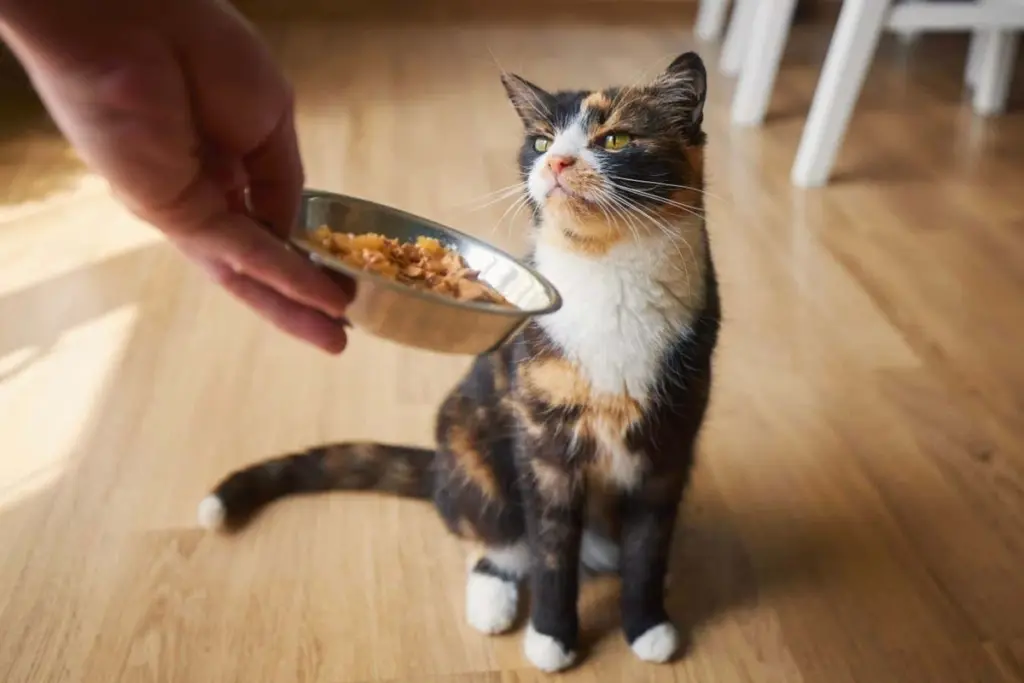
Cats that consistently spurn their usual meals may be reacting to a subtle change in aroma. This discovery points toward novel approaches for pet owners seeking to encourage their felines to eat more. The frustration of dealing with discerning cats is a familiar one for many owners. Food that initially captures a cat’s interest can be rejected just days later. While this behavior might label cats as demanding, researchers suggest that simple adjustments to a food’s smell could make mealtimes more agreeable for these pets.
“This could involve adding a dietary supplement, making minor changes to the food itself, or refreshing the eating area,” explained Masao Miyazaki of Iwate University in Japan. “Cats might not be inherently ‘picky’ in the human sense, but rather they may simply lose interest when the scent becomes overly familiar.”
Experimental Insights into Feline Eating Habits
A series of experiments involving 12 cats, comprised of six males and six females that had not been sterilized, provided key data. Each cat was presented with various commercial dry cat foods for 10-minute intervals, with researchers meticulously monitoring their intake. Following each 10-minute feeding period, the cats were given a short break before another 10-minute access to either the same food or a different variety. This cycle was repeated six times consecutively, extending the experiment to 110 minutes. The study observed a consistent decline in food consumption across each round. This reduction was particularly pronounced when the same food was offered repeatedly.
On average, switching to a new food variety at each interval resulted in approximately double the total consumption when compared to offering the identical food throughout the session. This highlights the significant impact of variability on feline appetite.
The Olfactory Influence on Food Intake
To further investigate the role of smell, the researchers re-ran the experiment. In this iteration, the same food was provided in each of the six feeding sessions. However, it was placed in the upper section of a double-compartment bowl, separated by a perforated divider. The lower compartment of the bowl contained additional cat food that the cats could smell but not physically access. For the initial five rounds, the food in both compartments was identical, and consumption declined as anticipated. Yet, during the sixth round, the researchers introduced a different type of food with a distinct odor to the inaccessible lower compartment. This alteration in scent alone provoked a considerable resurgence in eating during the final cycle, with the cats consuming roughly twice the amount they had during the preceding round.
These findings strongly suggest that olfactory cues play a substantial role in modulating cats’ appetites, according to Miyazaki.
Expert Perspectives and Implications
“This phenomenon undoubtedly contributes to the vast array of cat food options available in supermarkets,” commented Katherine Houpt from Cornell University in New York. “It also raises the question of whether cats might transition from prey like mice to birds after consuming a few mice.”
Scott McGrane at the Waltham Petcare Science Institute in the UK shared his extensive experience with finicky cats. “I have both professional and personal encounters with how particular cats can be about their food,” he stated. “This research offers valuable insights into how food aroma influences eating behavior. Offering a range of wet food flavors and incorporating a mixed wet- and dry-food feeding regimen can help provide sensory variety and sustain a cat’s interest in eating.”
For David Thomas at Massey University in New Zealand, these findings may shed light on a potential cause of obesity in domestic cats. “This also offers a partial explanation for why modern feeding strategies that offer a greater diversity of flavors, such as variety packs of pouches, might lead to weight gain in cats,” he observed.
Mikel Delgado, an independent cat behavior expert based in Sacramento, California, advises that pet owners can encourage cats to enjoy their meals through a variety of smells and flavors, and even by offering choices at each feeding. This approach, combined with careful management of daily food intake and overall health, can help maintain a healthy weight for cats.
Delgado also emphasized the importance of regularly washing cats’ bowls to eliminate residual odors from previous meals. She added that if cats persist in being finicky despite these measures, it could indicate underlying health issues requiring veterinary attention.