
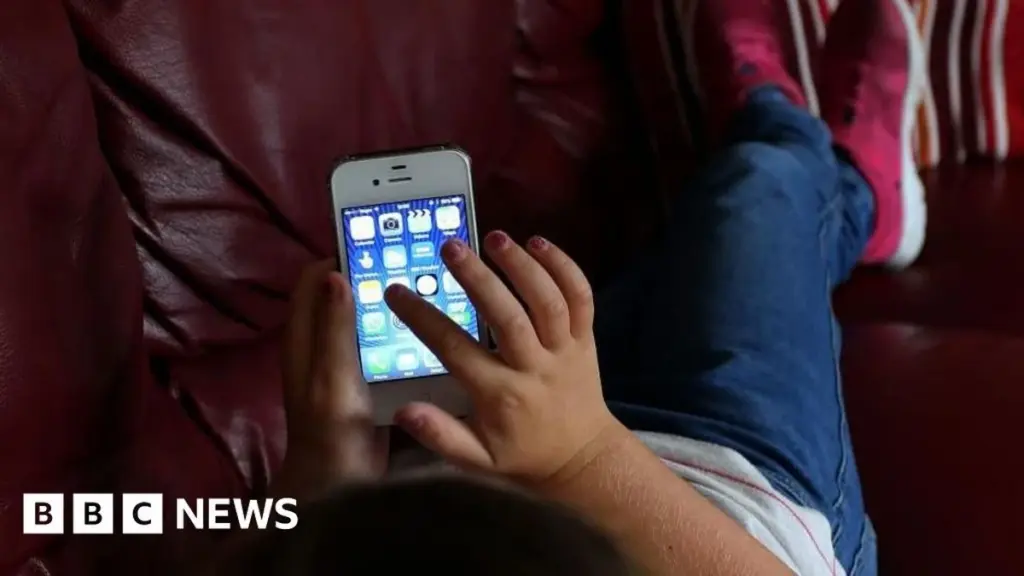
Greece is set to prohibit individuals under the age of 15 from accessing social media platforms, positioning itself as the latest European nation to implement restrictions on children’s engagement with online environments. Prime Minister Kyriakos Mitsotakis stated that this initiative aims to address mounting anxiety and sleep disturbances among young people. He also pointed to what he characterized as the “addictive design” inherent in social media services.
This measure is scheduled to take effect in January of the upcoming year. The move follows Australia’s precedent in December, when it became the first country globally to mandate that platforms like TikTok, YouTube, and Snapchat remove accounts belonging to those under 16, or face substantial financial penalties.
A notable number of countries, including France, Austria, and Spain, are presently pursuing comparable limitations. The United Kingdom’s government has initiated a public consultation regarding a potential ban for individuals under 16. Ireland and Denmark are also reportedly considering similar actions.
Social media companies have countered these proposals, arguing that broad prohibitions are unlikely to be effective, pose enforcement challenges, and could lead to the isolation of teenagers who are already vulnerable. Reddit, for instance, is contesting Australia’s legislation in court.
In a statement released via TikTok on Wednesday, Mitsotakis articulated the rationale behind the decision: “Many young people tell me they feel exhausted from comparisons, from comments, from the pressure to always be online.” He shared accounts from parents whose children experience poor sleep, exhibit anxiety, and are constantly engaged with their mobile devices.
The Prime Minister described the planned restriction as “difficult but necessary.” He emphasized that the government’s objective is not to detach young people from technology, which he acknowledged can be a valuable resource for inspiration, knowledge, and creative pursuits. However, he elaborated, “But the addictive design of certain applications, and a business model based on capturing your attention – on how long you stay in front of a screen – takes away your innocence and your freedom. That has to stop somewhere.”
Further particulars concerning the regulatory framework established to enforce this ban are expected to be released later on Wednesday. Mitsotakis also indicated Greece’s intention to advocate for a coordinated European response. In a letter addressed to Ursula von der Leyen, President of the European Commission, he called for a unified EU strategy to “complement and reinforce the necessary national initiatives for the protection of minors.”
His proposed actions include the implementation of mandatory age verification for all users under 15 across every platform. Additionally, he suggested a continent-wide ban for this age demographic and a requirement for platforms to re-verify users’ ages on a six-month basis.
The discussion surrounding children’s social media consumption has intensified in recent months. This escalation is largely a response to accumulating evidence highlighting the detrimental impact these platforms can have on mental health. In March, a significant US trial found Meta and YouTube liable in a case involving a woman’s lifelong addiction to social media.
Jurors determined that Meta, the parent company of Instagram, Facebook, and WhatsApp, along with Google, which owns YouTube, had deliberately engineered their social media platforms to be addictive, thereby contributing to the claimant’s mental health decline. Representatives for Meta and Google have stated their disagreement with the verdict and their intention to appeal. A statement from Meta asserted, “Teen mental health is profoundly complex and cannot be linked to a single app.”