
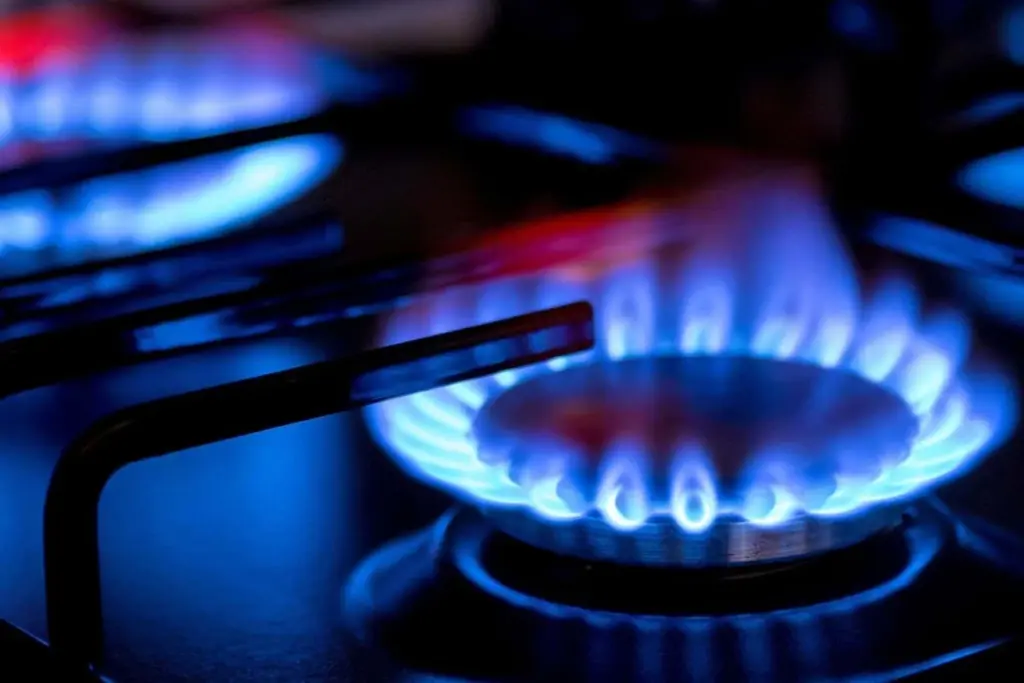
A significant portion of European households could be exposed to harmful chemicals due to gradual leaks from gas cookers and ovens. Research conducted in the UK, Netherlands, and Italy revealed that nearly 10 percent of tested homes exhibited leaks substantial enough to surpass established exposure limits for benzene, a known carcinogen.
“The situation is comparable to living with a smoker,” explains Drew Michanowicz of the PSE Healthy Energy research institute in Oakland, California. He notes that “secondhand smoke generates a similar indoor level of benzene.”
Beyond methane, natural gas can contain a variety of volatile organic compounds (VOCs). Several of these are recognized as detrimental, including benzene, toluene, ethylbenzene, xylene, and hexane. Benzene presents the primary concern, as it is linked to various cancers, particularly leukemia, and can also impair the immune system, leading to anemia and excessive bleeding.
While prior studies had identified high benzene levels in natural gas sourced from the North Sea and the Netherlands, the extent of human exposure remained unclear. To address this, Michanowicz’s team initiated their study by collecting gas samples from cookers in 72 residences across the UK, the Netherlands, and Italy.
Benzene Concentrations Significantly Higher in Europe
When compared to levels found in the United States, the benzene concentrations in the European samples were notably elevated. Italy recorded levels nine times higher, the UK showed an increase of 37 times, and the Netherlands exhibited a staggering 66 times higher concentration of benzene.
Assessing Exposure Limits in Homes
In 35 of the participating homes, researchers sealed off the kitchens to monitor for gas leaks. They subsequently estimated indoor benzene concentrations based on the observed leakage rates. Their findings indicated that approximately 9 percent of these homes would exceed the safety limits set by the UK and European Union, although it is important to note that no completely safe level of benzene is generally recognized.
“This figure accounts only for benzene originating from the leaks,” Michanowicz stated. “We are aware that other sources of benzene exist, meaning the actual indoor benzene levels could be even greater.”
Nicola Carslaw at the University of York, who was not directly involved in the study, commented on the findings. “Depending on the interplay between these various sources and the home’s ventilation efficiency, natural gas leaks from cookers could emerge as a significant source of benzene,” she suggested. “However, much of this is contingent on the specific practices within each individual household.”
Representativeness of the Studied Homes
Michanowicz expressed his belief that the 35 homes included in their research are representative of the broader population. He mentioned that the average stove leak rates observed in Europe were lower than those his team had previously measured in the US. This discrepancy, he explained, could either suggest genuinely lower gas leakage in Europe or that a more extensive testing of homes might reveal higher average leak rates across the continent.
Potential Solutions and Alternatives
Paul Monks from the University of Leicester views the path forward as straightforward. “There is a growing body of evidence linking indoor air pollution to gas stoves,” Monks stated. “Considering the dual advantages of mitigating a potential health hazard and contributing to decarbonisation efforts, transitioning away from them is a worthwhile consideration.”
Induction hobs are recognized for their superior energy efficiency and enhanced safety features. They eliminate pollution concerns, reduce fire risks, and pose no threat of explosions. Nevertheless, Michanowicz acknowledged that some individuals have a strong preference for cooking with gas.
While cooking with gas can indeed release pollutants like benzene and nitrogen oxides, Michanowicz pointed out that cooking sessions are typically brief, and extractor fans are often used. Consequently, he suggested that leaks might represent a more persistent risk.
Limitations of Detection and Ventilation
Most of the leaks detected were below the theoretical olfactory detection threshold. Michanowicz noted that while increasing the concentration of odorants in gas could improve the detection of these slow leaks, it would not address all of them. He emphasized the unreliability of human smell, stating, “Our noses are extremely imperfect. Their sensitivity varies a thousand-fold between individuals.”
Good ventilation is crucial for improving indoor air quality, provided the external air is clean. However, Michanowicz highlighted that measures aimed at enhancing energy efficiency often lead to a reduction in ventilation rates.
“I believe we still have a considerable distance to travel in developing building codes that prioritize not only energy efficiency but also incorporate standards for ventilation and address indoor pollution sources,” he concluded. For instance, the installation of heat recovery ventilation systems, also known as heat exchangers, offers a means to improve air circulation while minimizing energy loss.