
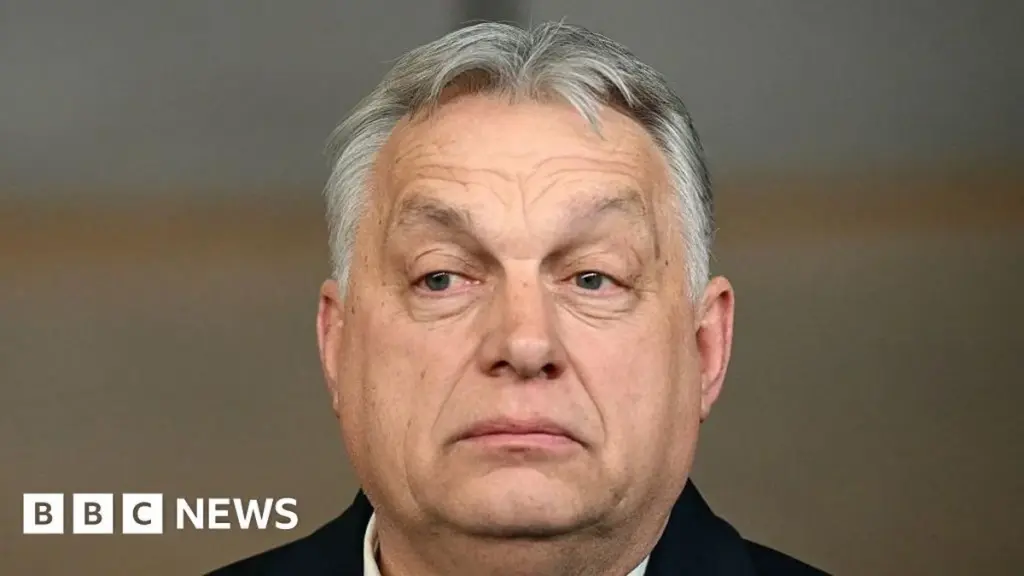
Leaders within the European Union have voiced strong criticism against Hungarian Prime Minister Viktor Orbán, accusing him of disloyalty and employing blackmail tactics following his obstruction of a significant €90 billion loan intended for Ukraine.
Orbán articulated his position via a post on X (formerly Twitter), stating, “No oil = no money.” This declaration came after a summit in Brussels where he maintained his veto over the loan, citing a dispute concerning a damaged pipeline that transports Russian oil to Hungary.
German Chancellor Friedrich Merz characterized Orbán’s actions as “a gross act of disloyalty.” Similarly, European Council head António Costa described the Hungarian stance as “tantamount to blackmail.”
Orbán’s Stance and Energy Dispute
Since Russia’s full-scale invasion of Ukraine in 2022, Orbán has cultivated close ties with Moscow. Ahead of upcoming elections scheduled for April 12, his opposition to Ukraine has become a central theme of his political agenda.
Hungary’s reliance on Russian energy sources is a key factor in this dispute. Orbán has accused Ukraine of interfering with these energy supplies, alleging that Kyiv has failed to adequately repair the Druzhba pipeline, an aging Soviet-era infrastructure that carries Russian oil to Hungary and Slovakia via Ukraine.
Ukraine’s government maintains that Russian air strikes in January caused damage to the pipeline. While Kyiv acknowledges that repairs will take several weeks, they also contend that restoring oil flow would effectively constitute a lifting of sanctions imposed on Russia.
Despite having previously agreed to the release of EU funds for Ukraine in an earlier meeting, Orbán has since leveraged the pipeline issue to block the disbursement of these critical financial resources.
European Leaders React Angrily
The summit, which extended late into the night, saw many EU leaders expressing palpable frustration with Orbán’s maneuvers.
“Colleagues who have been members of the European Council far longer than I have were deeply angered by what happened today,” reported Germany’s Merz during a press conference in the early hours of Friday morning. He further stated, “It is a gross act of disloyalty within the European Union. I am firmly convinced that it will leave deep marks.”
French President Emmanuel Macron described the outcome of the meeting as “unprecedented,” emphasizing that the loan’s release “must be implemented without delay.”
António Costa, serving as the Council President and chairman of the talks, echoed the widespread discontent. He labeled Hungary’s actions as “completely unacceptable” and declared, “Nobody can blackmail the European institutions.”
Orbán Remains Unwavering
Following the meeting, Orbán reiterated his firm position. “It was a tough debate, but we stood our ground,” he posted on X. “We have the right to say ‘no’ to the Ukrainian war loan. As long as @ZelenskyyUa does not lift the oil blockade, they will not receive any money from Brussels.”
Adding to the opposition, Slovakia’s Prime Minister Robert Fico, also known for his pro-Russian stance, declined to endorse the summit’s conclusions that affirmed the intention to release the funds to Ukraine. The release of these funds requires unanimous consent, and the conclusions indicate the matter will be revisited at the leaders’ next gathering.
European Commission President Ursula Von der Leyen expressed her commitment to ensuring the loan is delivered, stating it would happen “one way or the other.” President Macron similarly asserted that there would be “no plan B” for the funds, as “plan A must be implemented.”
Ukraine’s Plea for Support
Prior to the summit, Ukrainian President Volodymyr Zelensky had made a direct appeal for the loan’s release. Addressing EU leaders, he stated, “For the third month now, the most important financial security guarantee for Ukraine from Europe is not working – the €90bn support package for this year and the next. This is critical for us. It is a resource to protect lives.”
Orbán has a history of impeding EU aid packages for Ukraine, alongside multiple rounds of sanctions against Russia.
Recent opinion polls suggest that Orbán’s party is currently trailing its main rivals as he seeks another term in office.