
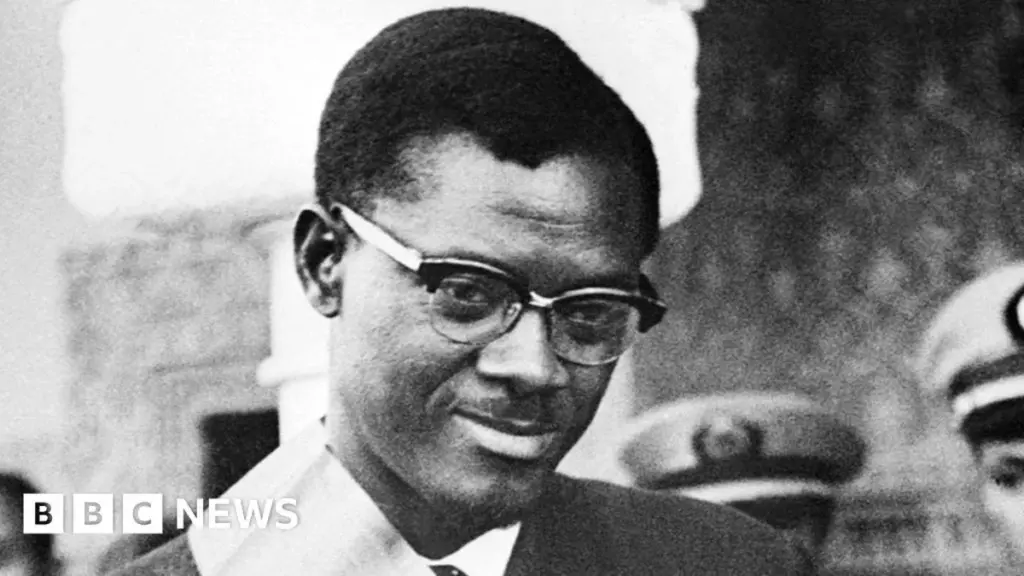
A Belgian court has made a significant ruling, clearing the path for a trial concerning the 1961 assassination of Patrice Lumumba, the first prime minister of the Congo.
The individual facing these accusations is Etienne Davignon, currently 93 years old. He is alleged to have played a role in Lumumba’s unlawful detention and subsequent transfer, as well as his mistreatment. At the time of these events, Davignon was a diplomat in training. His career later saw him rise to the position of vice-president of the European Commission.
Davignon stands as the sole surviving individual among the ten Belgians initially accused in the criminal case. This legal action was initiated in 2011 by Lumumba’s surviving family members.
The circumstances of Lumumba’s demise were stark: he was executed by a firing squad, and his remains were subsequently dissolved in acid. Belgium, the former colonial power in the Congo, has since formally acknowledged its responsibility for these events. The nation has extended apologies to both Lumumba’s relatives and the Democratic Republic of Congo, the country’s current designation.
Mehdi Lumumba, the grandson of the former prime minister, expressed relief following the Brussels court’s decision that Davignon could face trial. “We are all relieved,” he stated to the AFP news agency, adding, “Belgium is finally confronting its history.” This ruling, however, remains subject to potential appeal.
Lumumba’s Rise and Fall
Patrice Lumumba assumed the role of prime minister shortly after the Congo achieved independence in June 1960. He emerged as a prominent figure within Africa’s anti-colonial movement.
Despite Belgium having relinquished formal political control, the nation perceived Lumumba as a threat to its sustained economic and political interests within the Congo. This perception fueled significant tension.
During a pivotal independence day address, delivered in the presence of Belgian dignitaries, including King Baudouin, the then 34-year-old Lumumba forcefully criticized Belgium. He characterized the colonial period as one of “humiliating slavery” for the Congolese people.
Lumumba was removed from power through a coup in September 1960 and captured two months later. The following January, in 1961, he was executed alongside two of his associates. This action reportedly occurred with the tacit approval of Belgium.
Although Lumumba consistently denied any communist affiliation, he faced suspicion from other Western powers. Concerns persisted that he might be sympathetic to the Soviet Union during the heightened tensions of the Cold War.
A United States Senate inquiry conducted in 1975 concluded that the CIA had indeed plotted to assassinate Lumumba. However, this specific plan was not implemented, and his death was carried out by Congolese forces who had received backing from Belgium.