
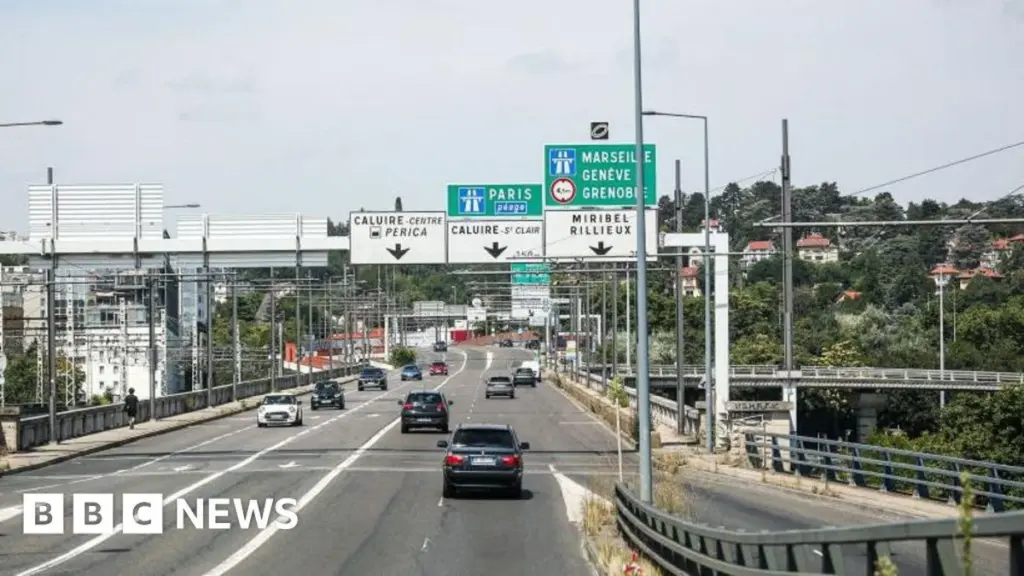
A significant fraud within France’s vehicle registration system has resulted in approximately one million illegally registered cars operating nationwide. This scandal, detailed by the state auditor, has led to the loss of hundreds of millions of euros in unpaid taxes and fines.
Beyond the financial implications, the scheme poses a direct threat to public safety. It allows unsafe vehicles, including cars and lorries, to be driven on public roads. The registration system’s vulnerabilities have also become a significant avenue for criminal activity.
According to a report released by the Cour des Comptes, these weaknesses “have allowed the whole gamut of criminality – from petty delinquency to organised crime – to penetrate the registration system in order to pursue their fraudulent ends.”
Origins of the Fraud
The roots of this widespread deception trace back to 2017. At that time, the French government sought to streamline the often lengthy process of issuing registration documents to new car buyers through a partial privatization of the system. This involved reassigning around 2,000 civil servants to different duties.
Consequently, car dealerships were granted direct access to the vehicle registration register (SIV) to facilitate the issuance of necessary documents for their clients. However, the Cour des Comptes noted that this new arrangement placed an excessive and ultimately misplaced reliance on the honesty of the operators.
Exploitation of Trust and Fictitious Dealerships
This system was rapidly exploited by numerous dishonest individuals. They discovered that by establishing “ghost dealerships,” they could manipulate the registry for a fee. The auditor’s report indicated that roughly one million vehicles currently on the road were registered by nearly 300 “fictitious companies operating totally free of state control.”
While drivers of these cars presented documentation that appeared legitimate to law enforcement, the vehicles and their owners subsequently became untraceable. The Cour des Comptes highlighted the severe financial impact, stating that “For solely the years 2022-2024 the financial prejudice was €550m (£475m), in non-collection of registration fees, and speeding and parking fines.”
Diverse Forms of Deception
The auditor identified 30 distinct types of fraud linked to this elaborate scam. These included efforts to evade environmental taxes on high-emission vehicles, falsify results from roadworthiness tests, and conceal the identities of previous car owners.
A special report by Le Monde newspaper detailed how one SIV-eur, a term used by police for these fraudsters, aided a luxury car importer in avoiding tens of thousands of euros in import and environmental taxes. This was achieved by falsely registering high-end vehicles, such as Rolls-Royces and Mercedes, as specially adapted cars for disabled individuals, thereby qualifying for duty exemptions.
Furthermore, stolen vehicles can be re-registered to evade detection, and criminal organizations utilize SIV-registered cars for operations like high-speed drug deliveries, often referred to as “go-fast” runs. This criminal use was indirectly signaled by a substantial surge in speeding violations.
Police Investigations and Systemic Laxity
Le Figaro newspaper reported that police became aware of a significant increase in “very fast” speeding offenses, with a 160% rise recorded between 2016 and 2022. Their subsequent investigation into vehicle registrations revealed a high proportion of fake documents.
The Cour des Comptes criticized the state’s lack of diligence in verifying the credentials of the 30,000 dealers granted access to the SIV system. Prospective applicants needed only to establish a shell company and formally apply for registry access, which was typically granted without rigorous scrutiny.
An anonymous source shared with Le Monde that this situation arose from an effort to reduce state bureaucracy. Previously, citizens faced long queues for documentation, a process that drew complaints but ensured thorough checks. For now, the focus is on the current systemic failures and their rectification.
Government Response
France’s interior ministry has acknowledged the scope of the problem and indicated that measures are being implemented to address it. An action plan introduced last year has reportedly enhanced fraud detection capabilities, and the number of authorizations to access the SIV has been significantly reduced.