
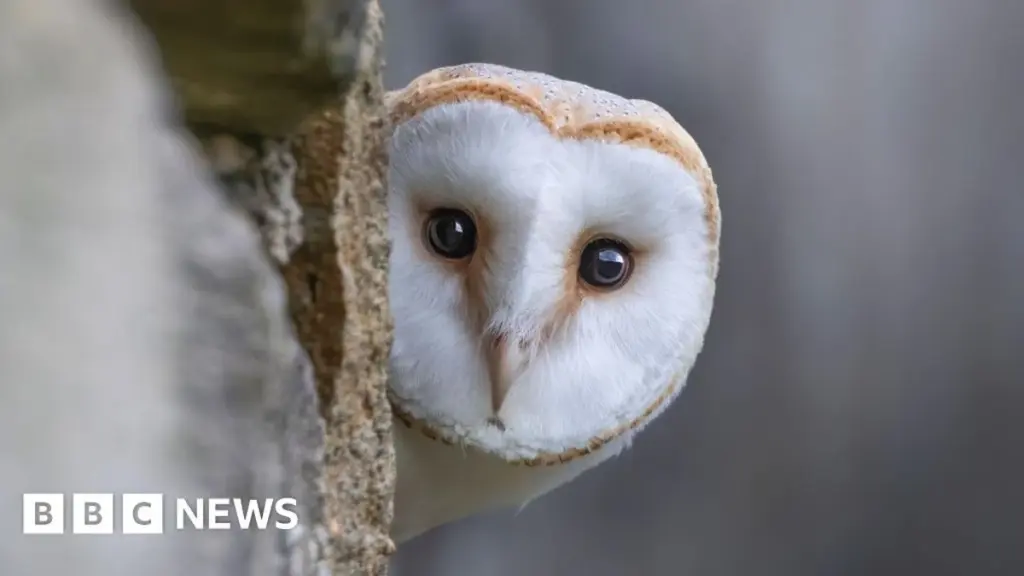
The Bank of England is set to introduce a new series of banknotes that will feature British wildlife, replacing the historical figures that have adorned the currency for over fifty years. This shift marks a significant change, offering the public an opportunity to influence which animals and birds will be represented.
While the primary driver for issuing new banknotes remains enhancing counterfeit resilience, the Bank also sees this as a chance to celebrate the nation’s natural heritage. Images of wildlife offer a visual appeal and are considered more challenging to counterfeit. This move signals the end for the sometimes controversial choices of historical figures that have been a fixture on the £5, £10, £20, and £50 notes.
A panel of experts will compile a shortlist of wildlife subjects, which will then be presented to the public for input. The final decision rests with the Bank’s governor, though the new notes are not expected to enter circulation for several years.
Victoria Cleland, the Bank’s chief cashier, whose signature appears on banknotes, stated that alongside improved counterfeit resilience, a new series provides an avenue to showcase diverse aspects of the United Kingdom. Nature emerged as the most popular theme in a public consultation. Out of 44,000 responses, approximately 60% of participants favored nature as a theme, surpassing architecture and landmarks (56%), historical figures (38%), arts, culture, and sport (30%), innovation (23%), and noteworthy milestones (19%).
Wildlife is not entirely new to UK banknotes; the Royal Bank of Scotland has previously featured mackerel, otters, red squirrels, and osprey on its notes.
Expert Panel Selects Wildlife Contenders
The panel tasked with selecting potential wildlife candidates for the Bank of England’s next series includes notable figures such as wildlife filmmakers and presenters Gordon Buchanan, Miranda Krestovnikoff, and Nadeem Perera. They are joined by Katy Bell of Ulster Wildlife, along with academics Steve Ormerod and Dawn Scott.
Nadeem Perera commented on the significance of this selection, stating, “The wildlife of the UK is not separate from our culture. It sits in our football crests, our folklore, our coastlines and our childhoods. Giving it space on something as symbolic as our currency feels both overdue and significant.”
A Shift from Historical Figures
The monarch has been a consistent presence on Bank of England notes since 1960 and will continue to be depicted. Historical figures were first introduced on the reverse side in the decade following their establishment. The current selection of figures includes Sir Winston Churchill, Jane Austen, JMW Turner, and Alan Turing, ordered by the ascending value of the notes they appear on.
The Bank has faced criticism in the past regarding the underrepresentation of women on banknotes. While Queen Elizabeth II appeared in 2013, there has been no historical figure from a black or ethnic minority background featured on the Bank’s notes.
Bank officials may perceive that by choosing wildlife, they are less likely to encounter public backlash. However, even the designation of the robin as the UK’s favorite bird drew some criticism.
In the upcoming summer, the public will be invited to express their preferences for specific native UK wildlife from the presented shortlist to appear on the new banknotes. Popular household pets will not be considered for inclusion.
Future banknote designs may also incorporate other natural elements, such as plants and landscapes, to complement the primary wildlife imagery.
Global Precedents and Public Input
The Bank of England might be aiming to replicate the success of Bermuda Monetary Authority’s $5 note, which was the recipient of the International Bank Note Society’s banknote of the year award. This predominantly pink note features images of a blue marlin, dolphins, and tuna fish, alongside a profile of King Charles III. Its vertical design incorporates butterflies, flora, Horseshoe Bay, and a boat passing under Somerset Bridge.
Previous public engagement, such as the BBC’s “Your Voice” initiative last year, also saw strong suggestions for banknote themes centered on animals, nature, railways, and television nostalgia.