
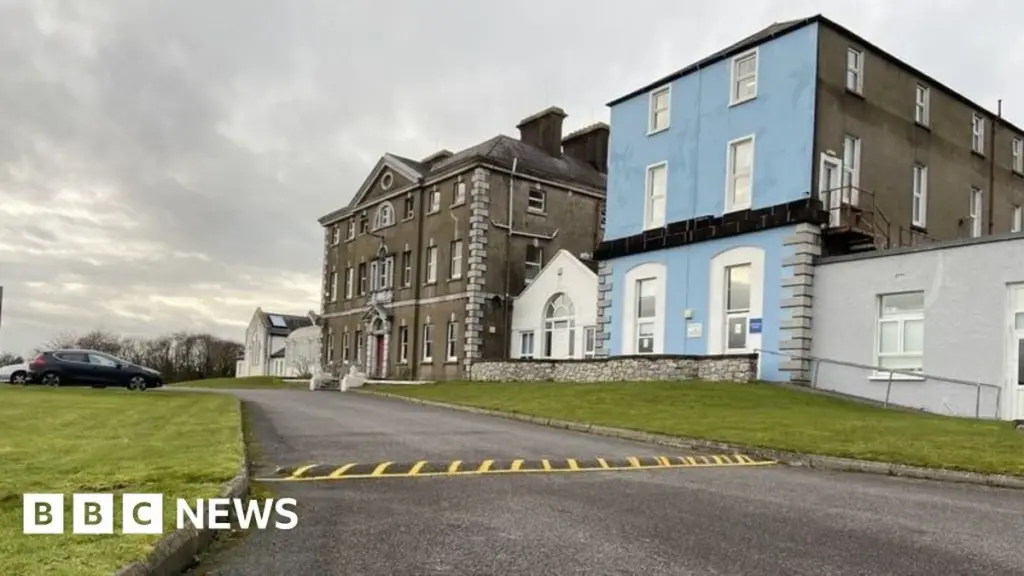
Cork City Council has granted conditional planning permission for the construction of 140 apartment units on the grounds of Bessborough, a former mother and baby home located in Ballinure, Blackrock.
The developer, Estuary View Enterprises, received approval for the project at the Bessborough site. This decision follows a history of objections from former residents and campaigners who have voiced concerns about potential encroachments on undiscovered burial sites.
During its operational period, Bessborough was the site where over 900 children died, though only 64 are recorded as having known graves.
Historical Context of Bessborough
Bessborough operated as a mother and baby home from 1922 until 1998. It was part of a larger network of institutions that housed single mothers and their infants during a time when societal stigma heavily impacted women who became pregnant outside of marriage.
Conditions within many of these institutions were often harsh. Overcrowding, inadequate nutrition, and poor infection control measures contributed to alarmingly high infant mortality rates.
Findings of the State Inquiry
A comprehensive, six-year state inquiry into Irish mother and baby homes concluded that a total of 923 children who resided at Bessborough had died during its years of operation.
Despite “very extensive inquiries and searches” by the Mother and Baby Homes Commission of Investigation, the commission was only able to confirm the burial locations for 64 of these children.
Details of the Proposed Development
The approved development plan includes the demolition of ten existing agricultural buildings and log cabin structures. These will be replaced by 140 residential apartments arranged across three new blocks.
Furthermore, two existing farmyard buildings are slated for redevelopment into communal amenities for residents. These spaces are intended to include a shared workspace, a library, a lounge area, and a function room.
The project also incorporates the construction of a new pedestrian and cycle bridge, enhancements to an existing pedestrian crossing, and the creation of new outdoor amenity spaces.
Conditions Attached to Planning Permission
Cork City Council’s granting of planning permission is contingent upon adherence to seventy specific conditions. A primary requirement before development can commence is the appointment of a qualified archaeologist.
This archaeologist will be responsible for advising on the site’s archaeological implications and monitoring all site works throughout the development process.
Excavation activities will also be supervised by a suitably qualified and experienced osteoarchaeologist or forensic anthropologist specializing in juvenile skeletal remains.
Any items of evidential value that could indicate potential burials, such as coffin timber or nails, must be documented and recorded in accordance with forensic archaeological standards.
The conditions stipulate that should human remains be discovered during excavation, all work at all affected areas of the proposed development must cease immediately. Relevant authorities, including the city coroner and An Garda Síochána (Irish police), will be notified of the location of any unidentified and previously unrecorded modern human remains.
In instances where human remains are found, the conditions specify that “it is the responsibility of the relevant state authorities to determine the outcome for these remains and any associated evidence.”
Objections to the Development Plans
The Bessborough Mother and Baby Home Support Group submitted an objection to the proposed development. Carmel Cantwell, speaking on behalf of the group, emphasized that “any proposed development must be approached with the highest level of sensitivity, transparency and compliance with planning law.”
The group’s objection stated that “The current proposal fails to meet these standards and should be refused.”
Key concerns raised in the objection included the absence of a comprehensive, independent archaeological investigation. The group also highlighted repeated expressions of fear from survivors and families regarding the potential disturbance of unmarked burial sites. Furthermore, they contended that the proposal did not sufficiently demonstrate that development could proceed without risking irreversible harm to a landscape holding national significance.
Labour Councillor Peter Horgan, representing Cork City South East, also lodged an objection to the planning application. He noted that previous applications for substantial residential developments on the site had been refused.
Horgan stated his belief that “the appropriate future for these lands should be publicly owned and dedicated to memorial and parkland use, not uncritically developed for private residential profit.” He urged the council to maintain the precedent set by prior refusals for the site.