
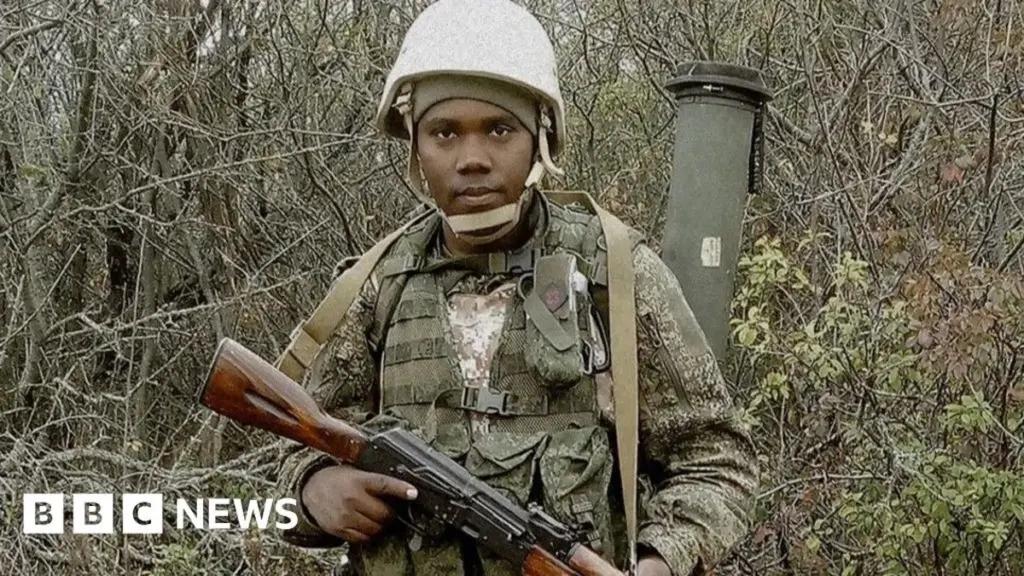
Kenya has announced its intention to engage with Russia regarding mounting reports of its citizens being recruited to fight in the conflict in Ukraine. Foreign Minister Musalia Mudavadi described the practice as “unacceptable and clandestine” in a statement to the BBC. He indicated that Nairobi has taken steps to shut down illegal recruitment operations and intends to press Moscow to sign an agreement prohibiting the conscription of Kenyan soldiers.
The Kenyan government estimates that approximately 200 of its nationals have been recruited to fight for Russia. The precise number remains unconfirmed, as Kenya states that none of these individuals travelled through official channels. “Kenya and Russia have had long relations since independence, literally. So this, in my view, becomes a very unfortunate episode of otherwise very positive and cordial relations between our two countries,” Mudavadi commented.
Diplomatic and Regulatory Measures
Mudavadi detailed to the BBC that Kenya’s discussions with Russia will prioritize addressing illegal recruitment practices. These discussions are expected to involve aspects of visa policies and bilateral labor agreements, specifically excluding military conscription. He further stated that Kenyan authorities have shut down over 600 recruitment agencies suspected of misleading Kenyans with promises of overseas employment.
To date, 27 Kenyans who had been engaged in combat in Russia have been repatriated. These individuals are receiving psychological support to help them cope with trauma and undergo “de-radicalization” processes, according to government officials.
Challenges in Identification and Repatriation
The exact number of Kenyans who have died while fighting for Russian forces is not publicly known, and Russia has not formally addressed these reports. Relatives who have sought information at the Russian embassy in Nairobi have reportedly been turned away. “Families that we’ve spoken to say they have not been able to bury their loved ones because their bodies are still on the other end,” Kenya’s foreign minister stated.
He added, “It is difficult because, remember, it depends on where the body has been found. There some have been found in Ukraine. We are also working with the government of Ukraine to try and get the remains of those people repatriated.”
Government Response and Public Pressure
Pressure has been increasing on the Kenyan government to take action following the recent discovery of more bodies belonging to citizens recruited to serve in the Russian armed forces. Some affected families have publicly blamed the Kenyan government for its perceived failure to regulate and criminalize clandestine recruitment agencies.
However, the Kenyan foreign minister refuted these claims. “You cannot blame the government on this,” Mudavadi told the BBC. “Where there are illegal recruitment agencies, we have scrapped them and we continue to scrap them.”
Broader Context of Foreign Fighters
Ukrainian intelligence assessments suggest that over 1,400 individuals from 36 African countries have been recruited to fight for Russia. Ukraine itself has previously faced criticism for recruiting foreign nationals, including Africans, to join its forces.
Ukrainian officials have consistently warned that anyone fighting for Russia will be considered an enemy combatant. They have advised that the only recourse for such individuals is to surrender and be treated as prisoners of war. On Tuesday, the South African government announced that Russian President Vladimir Putin had committed to assisting in the return of South African nationals who had traveled to Ukraine to join Russian troops. This matter was discussed during a phone call between Putin and South Africa’s President Cyril Ramaphosa, with both leaders agreeing that their governments would collaborate to finalize the repatriation process. Reports indicate that at least 17 South African men are currently serving on the front lines of the conflict.