
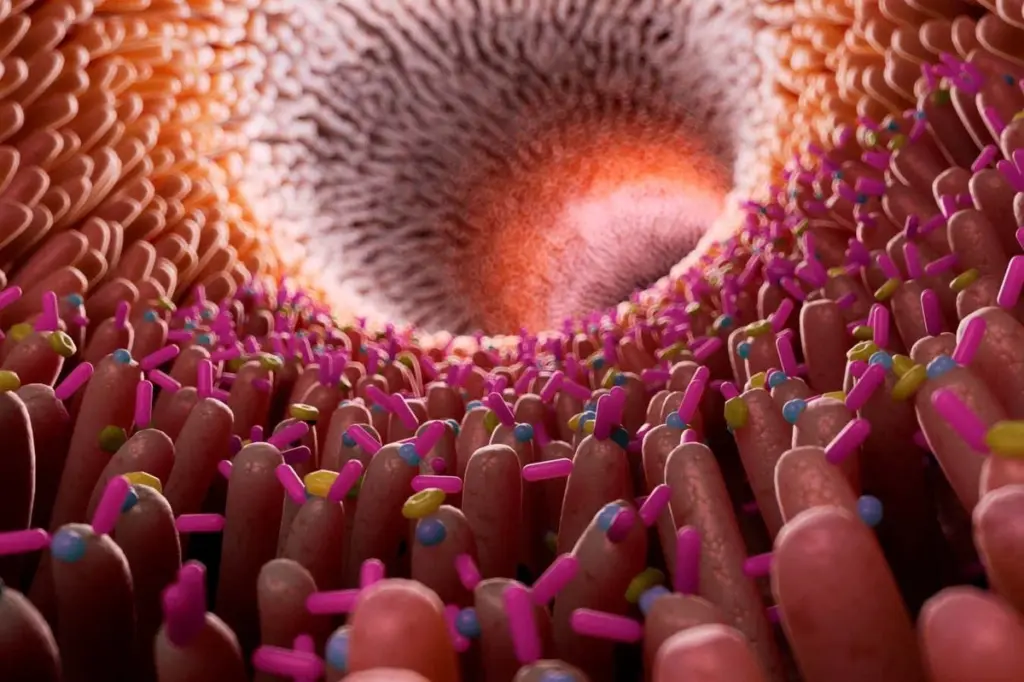
A group of mysterious bacteria, frequently found in the intestines of healthy individuals and absent in cases of illness, suggests a crucial role in maintaining good health. Our gut harbors an estimated 4600 species of bacteria, which interact with each other and our bodies, influencing everything from our immune system and sleep patterns to our aging rate and susceptibility to mental health conditions.
However, a significant portion of these species, roughly two-thirds, remain part of the “hidden microbiome.” Many of these remain uncultivated in laboratories and even unnamed, known only through the identification of their genetic material within gut samples. A key question persists: are these species passive observers or do they actively contribute to human well-being?
Investigating the Hidden Microbiome
To address this, researchers, including Alexandre Almeida from the University of Cambridge, analyzed genetic markers from bacteria within gut microbiome samples. The collected data originated from studies encompassing over 11,000 individuals across 39 countries, primarily in Europe, North America, and Asia. This cohort was divided, with approximately half reporting no known medical conditions and the other half diagnosed with one of 13 illnesses, such as inflammatory bowel disease, obesity, and chronic fatigue syndrome.
The study successfully linked 715 bacterial species to at least one of the examined conditions. Of these, 342 species were found in greater abundance in individuals with a diagnosed condition, while 373 were more prevalent in those with no known health issues.
CAG-170: A Promising Candidate
Among these potential players, a bacterial genus identified as CAG-170 emerged with the most significant association. Almeida stated that CAG-170 consistently appeared to be markedly increased in healthy states compared to diseased ones, irrespective of the specific condition.
Further investigation into the association between bacterial species and gut microbiome balance revealed a pronounced effect from CAG-170. A clear correlation was observed: higher CAG-170 populations correlated with reduced dysbiosis, indicating a healthier gut microbiome.
Metabolic Insights into CAG-170 Function
The research team delved into CAG-170’s genetic makeup to understand this correlation. They discovered genes responsible for metabolic pathways capable of producing high quantities of vitamin B12. Additionally, they identified genes for enzymes that break down a variety of carbohydrates and fibers. Interestingly, CAG-170 bacteria themselves did not appear to utilize vitamin B12. However, other species commonly found in proximity to CAG-170 frequently possess the ability to metabolize it. This suggests that CAG-170 might adopt an “altruistic” role, providing metabolic support to other members of the microbiome.
Expert Commentary and Future Directions
Nicola Segata, a researcher at the University of Trento, Italy, highlighted the study’s importance in advancing the understanding of gut microbiome features linked to health and illness. However, she noted that the mechanisms by which these bacteria confer benefits require further elucidation. Segata also pointed out the complexity in determining whether high CAG-170 levels cause good health or result from it. Future studies will need to explore whether introducing CAG-170 can mitigate the risk of specific conditions.
Segata emphasizes viewing the human microbiome and body as an integrated, highly complex system. Instead of focusing solely on the microbiome’s causal role relative to the body, examining the system as a whole and its connection to healthy or unhealthy states, including diet, is crucial. She further suggested that nutritional clinical trials are necessary to assess how dietary changes impact different components of the microbiome-human system.
Potential Applications of CAG-170
Almeida foresees two primary applications for CAG-170. Firstly, these bacteria could serve as an effective indicator of gut microbiome health. Secondly, they may pave the way for a new generation of probiotics aimed at bolstering overall health.
While CAG-170 shows promise as a probiotic candidate, Segata acknowledges the significant challenges in cultivating these bacteria in a laboratory setting. Developing methods for their viable delivery and colonization within the gut also presents difficulties. He suggests that identifying optimal foods or prebiotic supplements to increase CAG-170 amounts might be a more achievable goal in the near term than developing these species as probiotic products.
Genomic data offers a potential pathway for supporting CAG-170. Almeida noted that these bacteria seem unable to produce the amino acid arginine. Therefore, augmenting arginine availability could potentially aid in cultivating these bacteria or enhancing their presence in the gut.