
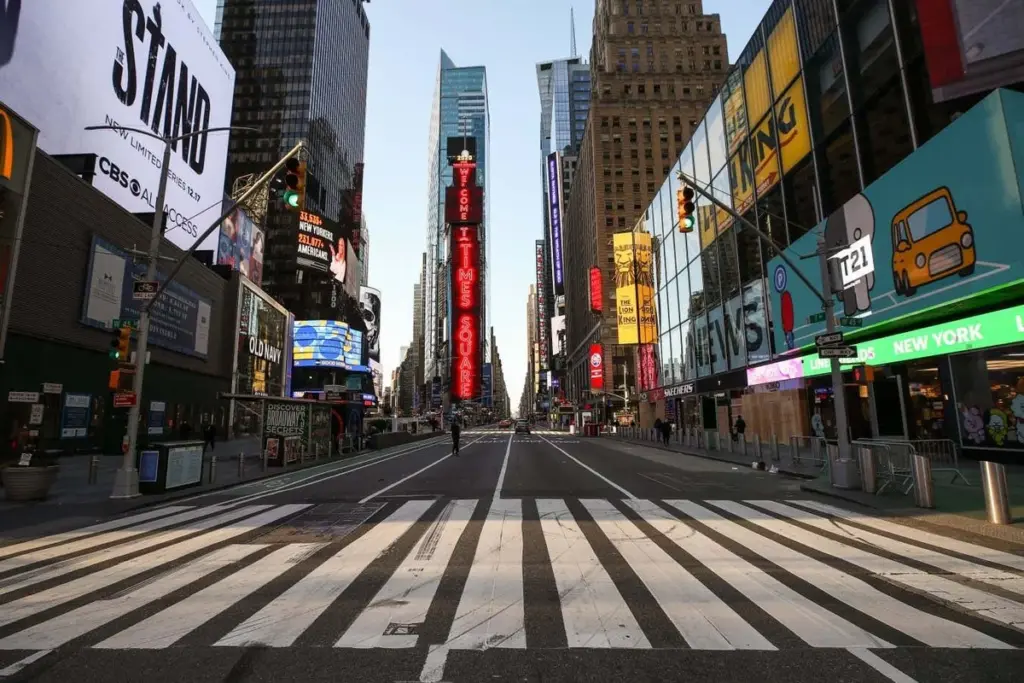
A notable shift in atmospheric chemistry occurred during the COVID-19 lockdowns, leading to a significant increase in methane levels. This development carries concerning implications for the future trajectory of global warming.
Methane, while persisting in the atmosphere for approximately a decade, possesses a significantly stronger warming effect on Earth than carbon dioxide. Its atmospheric concentrations have been on an upward trend since the 1980s. Initially, this rise was primarily attributed to emissions from venting and leaks associated with fossil fuel extraction. Over the last twenty years, these emissions have been further amplified by an increase in microbial decomposition of organic matter in environments such as wetlands, agricultural lands, and landfills.
Methane Growth Accelerates
Between 2020 and 2022, methane growth experienced an unanticipated acceleration. Annual increases, previously hovering around 20 million tonnes, surged to approximately 40 million tonnes per year. By 2023, this growth rate had reduced again, returning to around 20 million tonnes annually. New research indicates that a primary driver of this surge was the reduction in emissions from sectors heavily impacted by COVID-19 lockdowns, including transportation, aviation, and shipping. Crucially, this also meant a decrease in the emission of nitrogen oxides (NOx).
Nitrogen oxides play a catalytic role in atmospheric reactions that generate hydroxyl radicals (OH). These radicals are essential for breaking down methane. Consequently, a reduction in NOx emissions leads to fewer hydroxyl radicals and, by extension, less methane breakdown. “It’s like having a hangover or something from our addiction to fossil fuels,” observed Matthew Johnson of the University of Copenhagen, who was not involved in the research. “We’re emitting [methane] pollution and the catalyst at the same time, so if we reduce emissions of the catalyst, the pollution takes over.”
Unraveling the Methane Surge: New Research
Earlier investigations, such as a study by Shushi Peng at Peking University examining just the year 2020, had attributed the methane surge equally to a decrease in hydroxyl radicals and an uptick in methane emissions from wetlands. However, researchers were taken aback when the rapid methane growth rate persisted through 2021 and 2022, even as global economic activity began to recover. The subsequent study, also conducted by Peng’s team, sought to elucidate the reasons behind this continued anomaly.
Hydroxyl radicals themselves are too fleeting to be directly measured. However, the gases that contribute to their formation can be monitored by satellites. Similarly, both natural and anthropogenic methane emissions require estimation. The researchers developed models incorporating these land-based sources alongside the atmospheric hydroxyl radical sink. Their simulations were refined until the modeled results aligned with actual measurements of atmospheric methane concentrations.
The team concluded that a deficit in hydroxyl radicals during the 2020-21 period, followed by a recovery in 2022-23, accounted for a substantial 83 percent of the variation observed in the methane growth rate. Peng noted that aviation emissions remained subdued in 2021, and the recovery of transportation and shipping sectors took time. Increased methane emissions from wetlands and inland waters were responsible for the remaining portion of the surge. The La Niña climate phase, for instance, brought increased precipitation to central Africa between 2020 and 2022, leading to the expansion of wetlands like the Sudd and Cuvette Centrale and consequently, increased methane release. Wetter conditions also stimulated methane emissions from rice paddies across South and South-East Asia. Furthermore, rising global temperatures have contributed to a boost in methane emissions from Arctic wetlands.
Future Implications and Solutions
Peng cautioned that a continued decline in NOx pollution, potentially driven by countries like China and India electrifying their economies, could further accelerate methane growth rates in the future. “The air will become more and more clean, so it means that we have less and less methane sink in the atmosphere,” he explained. “So we need to reduce more and more anthropogenic emissions.”
However, the exact behavior of hydroxyl radicals in the atmosphere remains a subject of debate among climate models. Some project a decrease, while others anticipate an increase. The inherent difficulty in accurately estimating hydroxyl radical concentrations also raises questions about the precise findings of this study. Paul Palmer at the University of Edinburgh expressed surprise that changes in OH appeared more significant than emission shifts. “If that’s true, then a re-examination of what controls OH in the global troposphere is warranted,” he commented. Overestimating hydroxyl radicals, he added, could potentially obscure the true scale of changes in methane emissions.
Irrespective of the role of hydroxyl radicals, methane emissions originating from wetlands are projected to continue their upward trend. This is due to the ongoing effects of global warming, which is increasing precipitation and stimulating microbial activity across many regions. This underscores the necessity for humanity to curtail its own methane emissions to effectively mitigate climate change.
In an accompanying commentary, Euan Nisbet of Royal Holloway, University of London, and Martin Manning of Victoria University of Wellington, New Zealand, suggested that China and India possess “many potential easy wins” through capturing methane that is currently being vented from coal mines, landfills, and sewage treatment facilities. Additionally, significant volumes of methane continue to be leaked from global oil and gas operations.
“We have to do something, because the system is starting to spin out of control,” stated Johnson. “We’re just seeing that leading edge of increase in methane emissions due to the climate feedback.”