
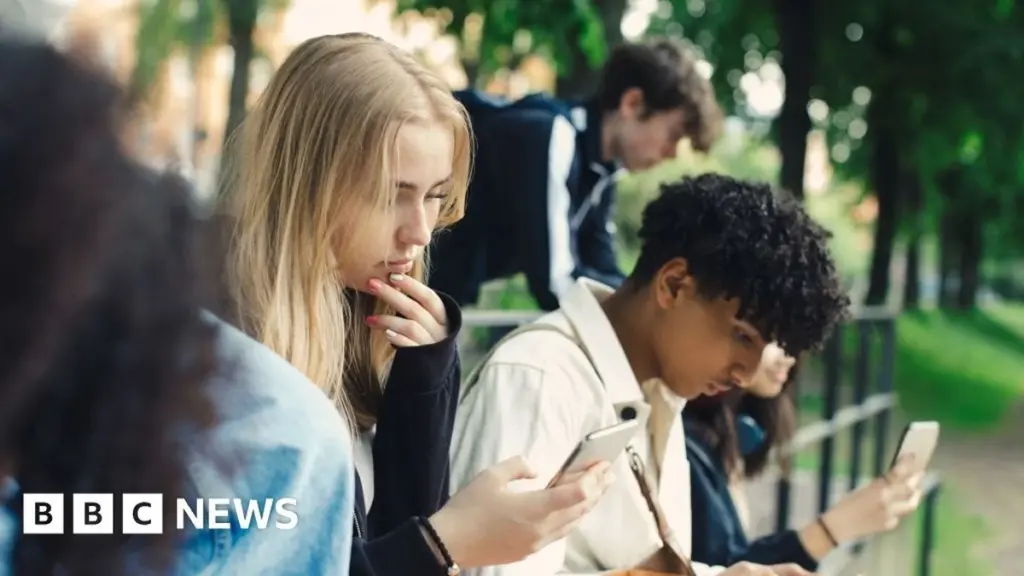
Spain has announced plans to implement a ban on social media access for individuals under the age of 16. Prime Minister Pedro Sánchez articulated this intention at the World Governments Summit in Dubai, stating a commitment to shield children from the unregulated digital landscape. This proposed legislation, requiring parliamentary approval, is part of a broader initiative to enhance online safety and digital responsibility.
The Spanish government’s proposal comes as a growing number of European nations explore similar age restrictions for social media use. Australia made headlines last year as the first country to enact such a ban, with France, Denmark, and Austria reportedly considering comparable national age limits for their youth. These developments are being closely observed internationally.
Social media companies have voiced concerns regarding the feasibility and effectiveness of such bans, arguing they could prove difficult to enforce and potentially isolate vulnerable teenagers. Notably, Reddit has initiated legal proceedings to challenge Australia’s age restriction in the High Court, highlighting the ongoing debate surrounding these policies.
“Today, our children are exposed to a space they were never meant to navigate alone,” Sánchez stated, characterizing social media environments as arenas susceptible to addiction, abuse, pornography, manipulation, and violence. He emphasized a refusal to accept these risks further, underscoring the government’s protective stance.
While a prohibition on social media for minors was first mentioned by Sánchez in November, the recent summit provided a more detailed outline of the proposed changes. A key element involves mandating social media platforms to establish robust age verification systems. Sánchez stressed the need for “real barriers that work,” suggesting a move beyond simple checkbox confirmations that have proven insufficient, citing examples where children in Australia have bypassed restrictions by using images of adults.
The proposed legislation also aims to criminalize the manipulation of algorithms designed to promote illegal content. According to Sánchez, investigations will target both the orchestrators of such content and the platforms that profit from amplifying disinformation through their algorithms. He condemned the notion of deflecting responsibility by claiming technological neutrality, asserting that such excuses are no longer acceptable.
Furthermore, Spain intends to introduce a new framework for monitoring and addressing how digital platforms contribute to societal division and the amplification of hate speech. Specific details on the operational aspects of this monitoring system were not provided. The government also plans to investigate and prosecute instances where artificial intelligence tools like Grok (X’s AI), TikTok, and Instagram may have been involved in criminal activities.
This includes concerns raised by the European Commission regarding Grok’s alleged use in generating sexually explicit images of real individuals. The UK has also launched its own investigation into Grok. In France, authorities recently conducted raids on X’s offices, investigating allegations that included unlawful data extraction and complicity in child pornography offenses. X has not yet responded to these investigations, having previously described the French inquiry as an infringement on free speech.
Sánchez expressed an ambition to see the new laws passed within the upcoming week. However, achieving this timeline may prove challenging, as his coalition government does not hold a parliamentary majority. The primary opposition party, the conservative People’s Party, has indicated support for the ban, having proposed similar measures previously. Conversely, the far-right Vox party has publicly opposed the initiative. In reaction to the announcement, Elon Musk, owner of X, referred to Sánchez as a “tyrant and traitor to the people of Spain.”
Meanwhile, France has taken a leading role in Europe with President Emmanuel Macron’s stated intention to implement an under-15s ban by the beginning of the next academic year in September.