
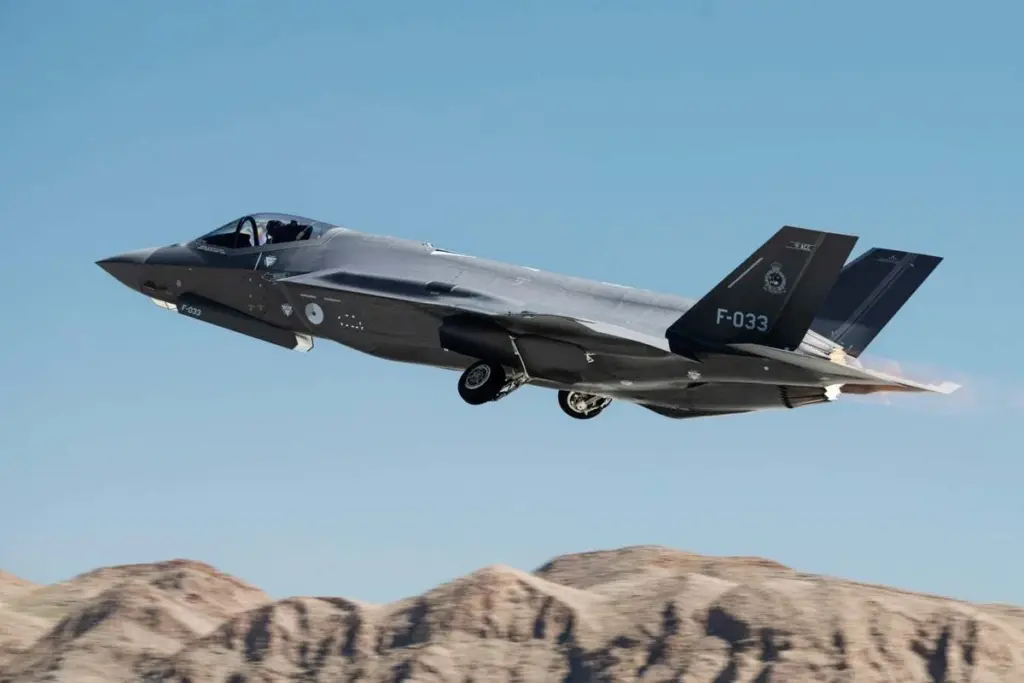
Fighter pilot trainees are undergoing a novel form of instruction that utilizes artificial intelligence to read their brainwaves while they navigate virtual reality simulations. This technology aims to gauge the specific difficulty level of tasks for each pilot, allowing for real-time adjustments to complexity. Initial experiments suggest that trainee fighter pilots favor this adaptive training approach over more traditional, pre-set programs. However, the research also indicates that this preference does not necessarily correlate with an improvement in their actual flying skills.
Training new pilots within simulators and virtual reality environments offers a cost-effective and safer alternative to actual flight. A critical aspect of these simulated training scenarios is their ability to adapt dynamically. The objective is to maintain a balance, ensuring tasks are challenging enough to prevent complacency but not so overwhelming that they lead to cognitive overload.
The Adaptive Training Methodology
Evy van Weelden, a researcher at the Royal Netherlands Aerospace Centre in Amsterdam, and her team developed a system employing a brain-computer interface. This interface measures student pilots’ brain activity via electrodes placed on their scalps. An artificial intelligence model then processes this data to ascertain the level of difficulty each pilot is experiencing during their training missions. Van Weelden noted the ongoing focus on enhancing pilot training methods, acknowledging that the approach might seem futuristic to those outside the field, but is a logical progression for her, driven by data analysis.
In the study, fifteen pilots from the Royal Netherlands Air Force participated in training sessions within the VR environment. The AI system managed the difficulty levels, which ranged across five distinct settings. These adjustments were made by altering factors such as visibility within the simulation, based on the AI’s assessment of how challenging the missions were for each pilot.
Pilot Preferences and Performance Outcomes
Following their training sessions, pilots were interviewed. Notably, none of the participants reported being aware that the system was actively modifying the difficulty of the tasks in real time. However, a significant majority, ten out of fifteen, expressed a preference for these dynamically changing exercises when compared to pre-programmed training scenarios that increase difficulty in steady, predictable increments.
Crucially, the research found no discernible improvement in task performance among pilots who underwent adaptive training when contrasted with those who completed rigid training programs. In essence, while the pilots appreciated the “mind-reading” setup, it did not translate into enhanced piloting proficiency.
Challenges in AI Interpretation of Brain Data
Van Weelden suggested that the individual variability in human brain function might be a contributing factor to these outcomes. The AI model used in the experiment was trained on data from a separate group of novice pilots before being applied to the fifteen study participants. A known challenge in this field is the difficulty in developing AI models that analyze brainwaves effectively across a broad population. Indeed, six of the pilots in the test exhibited minimal fluctuations in their perceived difficulty levels, suggesting that the AI system may not have accurately interpreted their brain data.
Broader Applications and Future Directions
James Blundell from Cranfield University in the UK highlighted that similar technologies are being explored for integration into actual aircraft. The focus here is on ensuring pilots remain in control during critical situations. He explained that research is investigating the possibility of detecting pilot states like panic or startle responses. The aircraft could then potentially implement measures to calm the pilot and help reorient them, such as providing guidance on maintaining correct flight attitudes when upside down, to return the aircraft to a stable, level flight path.
While these advanced systems have shown promise in controlled, isolated scenarios, their practical application for improving safety in commercial or military aviation through brain-reading technology remains a subject for further investigation. Blundell commented that there is a considerable path ahead before such capabilities can be reliably implemented in real-world aircraft operations.