
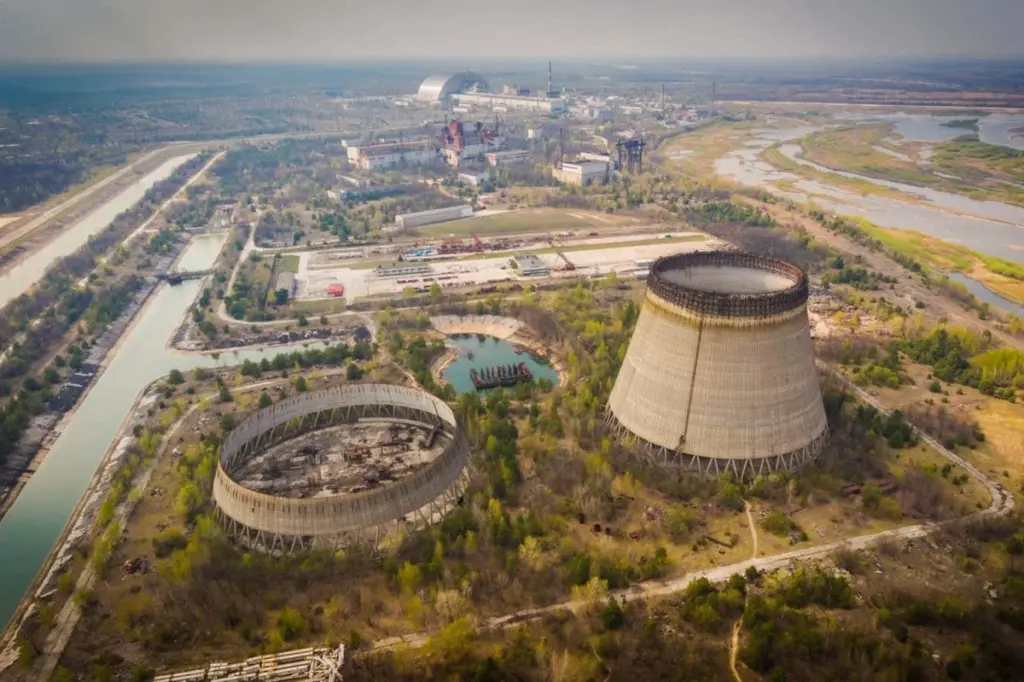
Mentioning a trip to New York for work might elicit envy, and a summit in Paris could spark green-eyed admiration. However, announcing a journey to Chernobyl to document the 40th anniversary of the world’s most catastrophic nuclear accident typically elicits a markedly different response.
Many will express earnest concerns about cancer risks, while others will assert that radiation poisoning is an inevitable outcome. These reactions largely stem from sensationalized headlines, sensationalist films, and overly dramatic documentaries.
This context prompted an effort to gain access to the exclusion zone, aiming to uncover the established facts. Key questions arise: Has contamination diminished or intensified? Is nature within the zone irrevocably damaged and in decline, or is it flourishing? Is the prospect of human repopulation in the area feasible? Could Russia’s ongoing invasion of Ukraine potentially release further radiation?
Four decades after the event, there are indeed numerous facets warranting exploration. These include the significant engineering endeavors undertaken to contain radiation, the evolving environmental landscape as the expansive cooling ponds transform into forest, and the increasing populations of rare wildlife, such as wolves and moose.
Unfortunately, the narrative is significantly complicated by the ongoing conflict. The zone experienced occupation by Russian forces, marked by widespread vandalism, followed by its recapture and subsequent militarization by Ukraine’s armed forces.
Presently, the area operates as a highly restricted military zone, situated directly on Ukraine’s border and presenting a potential corridor for further incursions. With the assistance of scientific professionals actively engaged in research within the zone, New Scientist was granted rare access for an in-depth report.
This coverage reveals how a simplistic, one-dimensional perception of Chernobyl as a desolate, contaminated wasteland is profoundly inaccurate. The region possesses a captivating history, nature is demonstrably recovering, contamination levels are largely managed, and the exclusion zone stands as a site of profound historical resonance, natural beauty, and intriguing character.
However, much like the entirety of Ukraine, Chernobyl’s future remains uncertain. The persistent hostilities render the management of the zone considerably more challenging and conducting scientific research within it infinitely more complex. A drone attack, for instance, has posed a threat to future decontamination operations.
The most significant peril to Chernobyl’s security may now be less about radiation—which, with adequate funding, can be continuously monitored and controlled—and more directly attributable to Russia’s actions.