
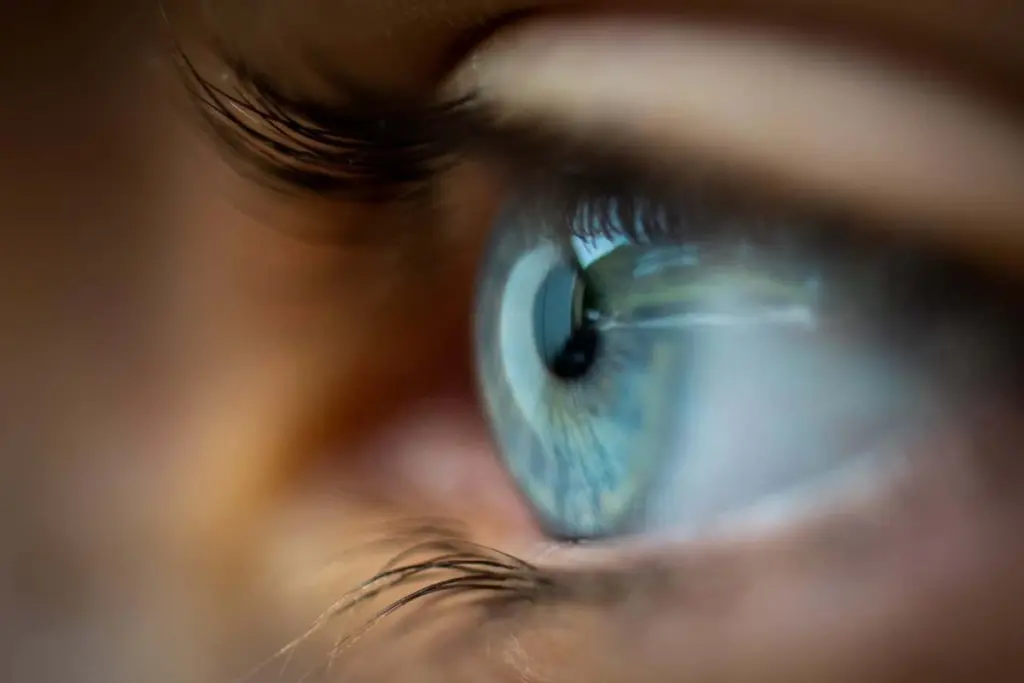
A virus typically found in marine life has been identified as the cause of glaucoma-like symptoms and, in some cases, irreversible vision loss in a growing number of individuals in China. This represents the first documented instance of a virus originating from aquatic animals infecting humans and leading to illness.
Initial investigations suggest that infections developed following the consumption of raw seafood and direct handling of aquatic animals. However, emerging evidence also points towards the potential for human-to-human transmission.
Edward Holmes, a researcher at the University of Sydney, Australia, highlighted the virus’s remarkable adaptability. “That this virus can infect invertebrates, fish, and mammals is pretty remarkable,” he stated. “I can’t think of a virus with such a broad host range.”
Understanding Persistent Ocular Hypertension Viral Anterior Uveitis (POH-VAU)
Cases of a condition known as persistent ocular hypertension viral anterior uveitis (POH-VAU) have been on the rise in China, with its origins remaining unclear until recently. This condition is characterized by inflammation and elevated pressure within the eye, mirroring symptoms of glaucoma. Such pressure can lead to damage of the optic nerve and subsequent vision loss.
To investigate the increasing incidence of POH-VAU, a research team, including scientists from the Chinese Academy of Fishery Sciences in Qingdao, studied 70 individuals diagnosed with the condition between January 2022 and April 2025.
The researchers tested this patient group for covert mortality nodavirus, a known pathogen affecting various marine animals. All 70 individuals tested positive for the virus.
“To date, no virus originating from aquatic animals has been shown to infect humans and directly cause disease,” noted the researchers, who opted not to provide extensive interviews. While medication was administered to manage swelling, approximately one-third of the patients ultimately required surgical intervention. One individual experienced permanent vision loss.
Investigating the Virus in Laboratory Settings
Further research aimed at understanding the virus involved infecting laboratory mice. Within a month, these mice displayed significant pathological changes in their corneas, irises, and retinas. The study also observed that mice housed together in shared water facilitated the transmission of the virus between them, indicating a potential for spread through direct contact.
Among the 70 human cases studied, over half were individuals who handled aquatic animals in their homes, suggesting this group might have been the primary source of infection. The research team also reported that approximately 16 percent of cases involved consumers of raw aquatic products or individuals with close contact to high-risk groups.
Evidence for Human-to-Human Transmission
While direct evidence of human-to-human infection remains elusive, an epidemiological study conducted by the researchers revealed a specific subgroup of urban patients with POH-VAU who had no direct contact with aquatic animals or other identified risk factors. The only identifiable risk factor for this subgroup was close contact with family members.
These family members were reportedly at a higher risk of contracting covert mortality nodavirus and had sustained hand injuries around the time they were handling aquatic animals. This pattern suggests that the virus may spread within households, potentially through shared utensils or close personal contact, according to the researchers.
Global Prevalence of Covert Mortality Nodavirus
To determine the global distribution of the virus, researchers analyzed 523 aquatic animals, both farmed and wild, collected from various regions including Asia, North and South America, Europe, Antarctica, and Africa. Their findings concluded that covert mortality nodavirus is indeed present worldwide.
The virus was detected in 49 different species, including prawns, crabs, fish, sea cucumbers, and barnacles. In these animals, it typically causes symptoms such as lethargy and a loss of natural coloration. The specific reasons for its ocular manifestation in humans remain unclear.
Edward Holmes further suggested that the pathogen might be more widespread than currently understood. “I think it’s very likely that the virus will be present in other species that we’ve not yet sampled,” he commented. “I don’t think it can be totally excluded that it passed through another species first, perhaps even another mammal.”
Potential Transmission Pathways in Marine Ecosystems
The virus may also be spreading among marine life through predatory behavior, where infected animals are consumed. For example, farmed shrimp are often fed frozen brine shrimp or Antarctic krill, a practice that the researchers found could lead to infection.
Furthermore, introducing the virus to warmer water appeared to exacerbate the infection in marine life. This observation implies that species in Antarctic regions could potentially serve as reservoirs for the pathogen, even if they do not exhibit overt illness themselves.
Biosecurity Implications
The researchers asserted that this spillover event of covert mortality nodavirus from marine animals to humans constitutes a new biosecurity risk. However, Holmes reiterated that definitive evidence for widespread human-to-human transmission is lacking. “It’s not an epidemic,” he concluded.