
Imagine lying on a hospital gurney, anticipation mingling with nervousness as you await anesthesia for an upcoming surgery. Amidst the quiet activity of the medical staff, a gentle piano melody drifts through the air, a classical piece designed to soothe. This music, while unheard by you during unconsciousness, will play a significant role. It promises to lower blood pressure, heart rate, and breathing rate, ultimately leading to fewer surgical complications and remarkably less pain upon waking.
The notion of achieving such substantial results from a simple intervention might seem far-fetched. However, these findings were substantiated by research published recently. Girish Viswanathan, a cardiologist at University Hospitals Plymouth, UK, who was not involved in the study, remarked that it finally offers scientific validation for what heart doctors have observed for years: the mind’s influence on the heart, even during major surgery. He noted that demonstrating how a basic intervention like music can alter physiological responses underscores the deep connection between the heart and the mind.
Understanding the Heart-Brain Axis
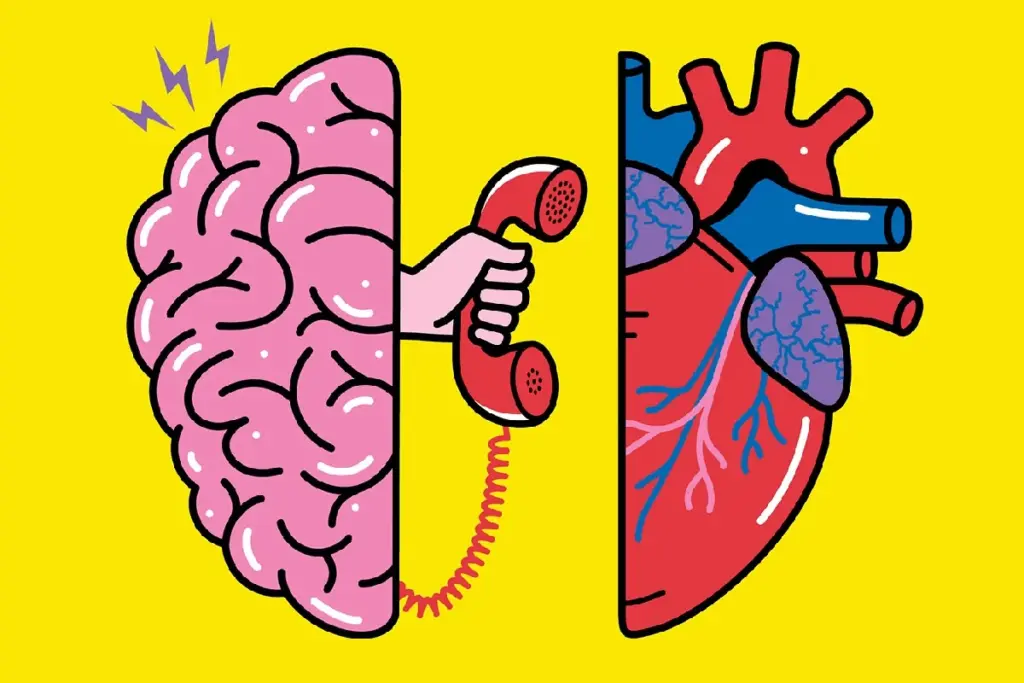
The interconnectedness of the heart and mind has been acknowledged for decades. Yet, this recent research is part of a growing body of evidence revealing that this connection is more profound and potent than previously understood. Furthermore, it suggests that this link is something individuals can actively leverage to enhance their well-being. Mitchell Elkind at the American Heart Association, recognized for his significant contributions to heart-brain connection research, stated that we are beginning to comprehend the brain and heart as components of a single, integrated system. This perspective fundamentally reshapes our approach to prevention, treatment, and essentially all aspects of health.
The Bidirectional Pathway
Clinicians have long observed a correlation: when the heart experiences illness, the brain often follows suit, and vice versa. Depression, for instance, demonstrably increases the risk of heart disease, and individuals recovering from heart attacks frequently develop depressive symptoms. Similarly, anxiety disorders are associated with irregular heartbeats, known as arrhythmias, and stroke is a significant risk factor for cardiac conditions.
For many years, the prevailing assumption was a unidirectional flow: under stress, the brain sends signals to the heart, accelerating its rhythm and preparing the body for action. However, in the early 2000s, researchers began to uncover evidence of a two-way communication. Sensory nerve fibers within the heart transmit information about blood pressure, heart rhythm, and strain on the organ back to the brain. This communication primarily occurs via the vagus nerve, where the signals are processed in brain regions responsible for regulating bodily states.
The formal recognition of this connection occurred in 2019 when the World Stroke Organization described the axis as a mutual communication network between the brain and the heart. This heart-brain connection, long overshadowed by the more widely discussed “gut-brain axis,” has steadily gained traction within clinical and scientific communities. Researchers are increasingly acknowledging its critical role in mental health conditions, including transient periods of intense emotional distress, as well as in neurological disorders and cardiac issues like atrial fibrillation.
Elkind elaborated on the multitude of mechanisms through which the heart and brain communicate during dysfunction. He pointed to degenerative disorders such as Parkinson’s disease as an example of this intricate dialogue. While Parkinson’s is typically viewed as a brain disorder, nerve degeneration in this condition can initially affect the heart, with brain involvement becoming apparent later.
In recent years, scientists have begun to map out the neural components of this axis. Their findings indicate that individuals with mental health conditions, such as anxiety and depression, exhibit considerably reduced activity in their vagus nerve. This implies a weakened parasympathetic nervous system, which is responsible for promoting rest and relaxation. Consequently, these individuals are less responsive to signals originating from the heart.
Sarah Garfinkel, who studies brain-body interactions at University College London, explained that each heartbeat transmits a signal to the brain, conveying information about its rate and strength. This signal, she noted, allows the brain to regulate the heart, establishing a fundamentally bidirectional system.
The heart-brain axis is a significant component of interoception, the body’s internal sense that enables the brain to interpret signals related to hunger or feelings of anxiety. This intimate relationship suggests a potential for more straightforward diagnosis of conditions affecting both the heart and brain.
Transforming Diagnoses and Treatments
Elaine Chew, a concert pianist and researcher specializing in computational music perception at King’s College London, is actively contributing to this field. Having lived with an arrhythmia since childhood, she underwent two ablations in adulthood that resolved the condition. This experience ignited her interest in merging her expertise in musical structures with cardiology. Fortunately, her cardiologist shared her interest in the heart-brain axis.
Their collaboration led to the monitoring of data from the hearts of individuals with pacemakers while they listened to live musical performances. Chew highlighted music’s suitability for studying heart-brain interactions, as it affects both the brain and the heart, offering avenues for probing both. She explained that the heart-brain axis enables us to experience music not only through perception but also through physical responses like goosebumps or an increased heart rate. Earlier this year, Chew was part of a research team that suggested music could serve as an accessible tool for detecting hypertension.
Based on her team’s prior research, she understood that elevated blood pressure significantly diminishes the body’s responsiveness to music. Chew elaborated that in cases of hypertension, blood vessels might become stiffer, making the cardiovascular system less capable of reacting to the brain’s neural activity elicited by music.
Chew and her colleagues discovered that by emphasizing musical features such as tempo and volume variations, they could exaggerate the cardiovascular differences in individuals with hypertension. Monitoring cardiovascular signals via electrocardiograms during musical exposure allowed for more reliable identification of the condition. This method reportedly increased accuracy by approximately 10 percent relatively quickly, outperforming smartwatch hypertension alerts. Given the widespread use of wearable technology like smartwatches and the inclusion of biosensors in many earbuds, Chew believes data could be collected to provide early warnings, prompting individuals to consult their doctor about potential hypertension.
Drawing from her involvement in other research, she also expressed optimism about music’s potential as a therapeutic intervention. By analyzing specific details of an individual’s autonomic nervous system—which governs involuntary bodily functions like breathing and heartbeat—music could be personalized to either elevate or lower blood pressure. While these concepts are still in their nascent stages and require rigorous clinical trials to ascertain their efficacy in large, diverse populations under real-world conditions, Chew remains hopeful. She acknowledges the process is lengthy but emphasizes that the necessary technology is now available.
Her pursuit of innovative diagnostic tools using the heart-brain axis is echoed by cardiologist Pier-Giorgio Masci, also at King’s College London. He leads a program focused on uncovering the connections between cardiovascular and neurodegenerative conditions. Masci noted that with an aging global population, there will be an increasing number of patients presenting with both heart failure and dementia. Consequently, he aims to find insights applicable to both conditions to develop treatments that can help prevent or manage either, thereby extending healthy lifespans.
He observed that research into the heart-brain axis has expanded significantly in recent years. It has moved beyond examining issues solely related to the autonomic nervous system, such as blood pressure modulation and stress responses, to uncovering connections between the heart and brain through blood vessels. Given that these two organs are interconnected via a vascular network, cardiac problems can indeed lead to neurological issues. For instance, arterial stiffening can not only result in vascular damage within the heart but also affect the small blood vessels in the brain, potentially contributing to cognitive decline over time.
This understanding has prompted Masci to search for a new, easily scalable metric that links the health of the brain and the cardiovascular system. Currently, many individuals with hypertension remain undiagnosed and untreated, and this condition serves as a risk factor for both heart failure and dementia.
Masci and his team have developed a novel method for detecting arterial elastance, which quantifies the force with which the heart must pump to circulate blood throughout the body. This metric is closely associated with hypertension and could potentially be monitored using wearable technology, offering an alternative to current expensive diagnostic methods. The team’s techniques for measuring this metric, utilizing data from the UK Biobank study, are currently undergoing peer review for publication.
Masci explained that arterial elastance provides a more comprehensive assessment than a simple blood pressure reading for detecting hypertension. While medication can lower a person’s blood pressure, other issues indicated by arterial elastance, such as the risk of brain damage, might persist because arterial elastance remains elevated. Therefore, he stressed the crucial importance of developing scalable methods to detect arterial elastance for a more integrated understanding of heart and brain health.
Repurposing Existing Medications
Just as promising avenues for enhanced diagnosis via the heart-brain axis are emerging, so too are novel treatment options. Elkind suggested that the neural pathways connecting the heart and brain can become compromised due to factors like inflammation, degeneration, hormonal shifts, or underlying common genetic mutations. However, certain existing pharmaceutical drugs may offer partial remedies for these impaired connections. He observed that many medications used to treat mental health disorders can influence the neurotransmitters and nerves involved in the communication between the heart and the brain.
Specifically, evidence indicates that antidepressants might impact the vagus nerve, thereby altering the autonomic signals that regulate heart rate and stress responses as mood symptoms improve. Elkind added that in the future, it might be possible to treat depression in patients with heart failure specifically to improve their cardiac outcomes.
He also pointed to the axis’s role in impulsive behaviors, often seen in conditions like ADHD, where research suggests that reduced interoceptive accuracy can contribute to poor decision-making. Elkind proposed that beta blockers, traditionally prescribed for hypertension and anxiety, could offer a potential solution. Previous research has noted that these drugs can also enhance decision-making, reduce aggressive tendencies, and improve moral judgment. Studies published last year suggest this is partly due to their interoceptive effects. By stabilizing the heart’s signals, beta blockers appear to mitigate these impulsive responses as well.
Elkind stated that a misconfigured heart-brain connection can adversely affect one’s ability to make sound decisions. For individuals who struggle with impulse control and make poor financial choices, beta blockers seem to offer assistance.
These medications may also prove beneficial in other scenarios. For instance, following a stroke, individuals can experience unusual hyperactivity or aggression, sometimes even posing threats to loved ones, according to Elkind. He noted that beta blockers can help alleviate these symptoms by lowering heart rate and blood pressure, while simultaneously influencing mood and brain function. When the heart’s signals are less overwhelming, the brain can process information more clearly.
The widespread adoption of GLP-1 agonist medications, such as Ozempic and Wegovy, has also yielded unexpected implications for the heart-brain axis. These drugs typically result in significant weight loss, which in turn reduces the risk of cardiovascular disease. However, a study published last year indicated that weight loss alone does not fully account for the drugs’ beneficial effects. Viswanathan explained that these medications appear to reduce low-grade inflammation, thus preventing damage to the critical blood vessels in the heart-brain connection over time and improving blood flow between the two organs. This lessens the heart’s workload, ensuring it receives adequate blood supply for circulation and consequently reducing the risk of heart disease.
Looking ahead, Viswanathan speculated that GLP-1 agonists might become a routine “life-prolonging” medication for everyone. He noted that whether individuals in good health and at normal weight would take them regularly depends on factors such as long-term safety, cost, and necessity, but the field is clearly moving in this direction. Emerging research suggests these drugs may offer benefits extending beyond weight management, including metabolic stabilization, anti-inflammatory effects, improvements in emotional well-being, and potentially even cognitive enhancements.
Strengthening the Axis at Home
The advantages of maintaining a robust heart-brain connection extend beyond purely medical applications. Consider the enhancement of decision-making abilities: researchers have evaluated a common form of interoceptive training. Participants were instructed to count their heartbeats without touching their pulse and then compare their subjective perception with either a visual display or a tone synchronized with their actual heart rhythm. With practice, this comparison enabled them to identify internal sensations that reliably indicate a heartbeat. This improved their emotional regulation and facilitated more rational decision-making.
A 2020 study revealed that volunteers who underwent a week of such training demonstrated improved interoceptive accuracy, experienced reduced “baseline” anxiety, and made more astute decisions in a simulated gambling scenario. More recent research, published in 2023, indicated that interoceptive training significantly enhanced emotional regulation and emotional self-awareness. Brain imaging scans revealed structural changes, including increased connectivity in the insula—the region responsible for interoception, emotional regulation, and certain cognitive functions.
Garfinkel suggested that such training can lead to substantial improvements for individuals with neurological differences as well. She shared that she has received correspondence from people with autism and ADHD who stated that simply learning the term “interoception” transformed their lives. She recounted the experience of one individual who believed he was a psychopath because he was unsure if he was experiencing the “correct” emotions. However, the understanding of interoception allowed for the explanation that he might simply lack insight into his body’s signals.
Other cognitive benefits are also within reach. Last year, researchers reported on a gambling task where not only did a more flexible heart rate response during the game predict good decision-making, but cardiac activity also correlated with various aspects of cognitive performance. Participants exhibiting greater activation of their parasympathetic system—responsible for slowing a rapid heartbeat—were found to be more adaptable thinkers, achieved higher working memory scores, and demonstrated more effective planning skills.
Co-author Maria Casagrande from Sapienza University of Rome in Italy described the findings as striking. She noted that individuals whose hearts adapted more efficiently also appeared to have brains that adapted more efficiently. This suggests that cognition is not solely a product of the brain but rather a dynamic exchange between the brain and the body. She likened it to the heart and brain operating as a coordinated system. A flexible cardiovascular system, she posited, may provide the physiological stability necessary for the brain to remain responsive, focused, and capable of adjusting behavior as circumstances change.
Elkind added that the axis can even be modulated through direct physical means. One study from last year employed electrodes to stimulate the vagus nerve, demonstrating that activating the parasympathetic system in this manner induces a calmer physiological state.
A low-tech adaptation of this mechanism can be practiced at home: a meditative breathing technique known as bhramari pranayama, or “humming bee breath,” produces a gentle buzzing sound during exhalation. Garfinkel explained that this simple humming activates the parasympathetic nervous system, which helps to lower heart rate, increase heart rate variability, and reduce stress. With this system engaged, the body transitions into a restorative state that diminishes inflammation and promotes physiological recovery.
Harnessing these insights holds significant promise. Garfinkel stated that we are entering a new era of scientific understanding focused on viewing the entire system holistically. Viswanathan indicated that cardiologists and neurologists will need to collaborate, as the heart and brain can no longer be treated in isolation. He concluded that we now understand that caring for the heart also means caring for the brain, and vice versa.
For centuries, humanity has debated whether to trust the heart or the head. The more pertinent question today is why these two were ever considered separate entities.