
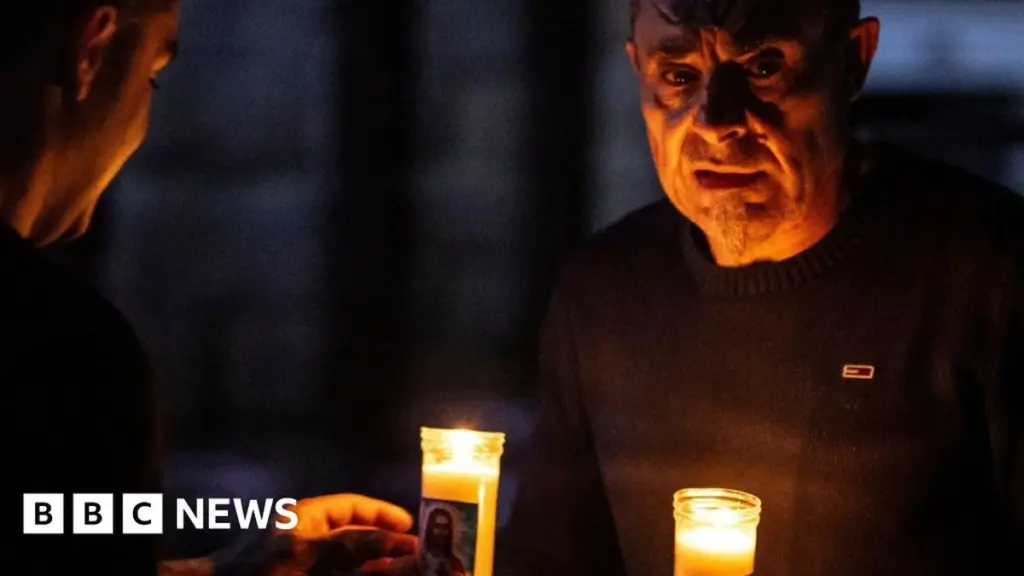
A comprehensive report has concluded that a confluence of several factors, rather than a single cause, precipitated the extensive electricity outage that plunged Spain and Portugal into darkness for hours last year. This unprecedented event disrupted daily life and the economy across the Iberian Peninsula.
The widespread power failure occurred on April 28, 2025, shortly after noon. It led to significant disruptions, including the cessation of internet and telephone services, and the halting of transportation networks. Schools, universities, businesses, and public facilities were affected. A small section of southern France, adjacent to the Spanish border, also experienced power loss. In some localities, electricity was not restored for as long as 16 hours.
The incident originated within Spain, with Portugal subsequently affected due to the highly interconnected nature of the two countries’ electricity grids. Entso-e, the European Network of Transmission System Operators for Electricity, characterized the event as “the most severe and unprecedented blackout that had occurred in Europe in the past 20 years, with a major impact on citizens and society as a whole” in the affected nations.
Following a preliminary report in October, Entso-e, which led the investigation into the blackout, has now released its final findings. The report states that “multiple interacting factors” linked to the Spanish network and its users were responsible. These factors contributed to the instability and subsequent widespread generation failure that caused the blackout.
Technical Analysis of the Outage
An uncontrolled and sudden surge in system voltage, occurring “on a day with multiple concurrent phenomena,” is identified as a key trigger. This voltage increase led to significant instability within the power grid.
The report’s diagnosis further revealed that the voltage control mechanisms of local energy generators were not fully synchronized with the requirements stipulated by the grid operator. In certain instances, the reliance on manual voltage control resulted in slower system responses to network fluctuations.
Additionally, the Spanish grid operates with a wider voltage range compared to many neighboring countries. This greater flexibility can inadvertently reduce the margin for handling voltage surges that might otherwise be absorbed, potentially leading to disconnections.
“The reactive power assets in the system were not able to address the sudden voltage rise,” the report explicitly stated, underscoring the limitations of existing infrastructure in managing such an event.
Socio-Political Repercussions
The blackout, coupled with the government’s delayed explanation, ignited a fierce political debate in Spain. Critics voiced accusations of incompetence against the authorities and questioned the nation’s prevailing energy strategy. Spain generates close to 60% of its electricity from renewable sources. Opposition parties suggested that the Socialist-led government should reassess its plan to phase out nuclear power generation.
The electricity outage also triggered a dispute between the grid operator, Red Eléctrica, and private energy companies regarding responsibility for the incident. The Entso-e report explicitly avoided assigning blame, stating that its investigation was not intended to apportion responsibility. Nevertheless, it did put forth recommendations aimed at preventing a recurrence of such an event. These recommendations included enhancements in coordination among transmission operators, distribution operators, and other stakeholders within the energy sector.