
Kenya’s foreign minister announced that Russia has agreed to cease the deployment of Kenyan citizens to participate in the ongoing war in Ukraine. This development was shared by Musalia Mudavadi following discussions with his Russian counterpart, Sergei Lavrov, in Moscow.
Mudavadi explicitly stated, “We have now agreed that Kenyans shall not be enlisted through the [Russian] Ministry of Defence—they will no longer be eligible to be enlisted. There will be no further enlisting.” This declaration aims to end the recruitment of Kenyans for combat roles.
Concerns about Kenyan involvement in the conflict were highlighted in February by a Kenyan intelligence report, which indicated that over 1,000 citizens had been recruited to fight for Russia in Ukraine. Sergei Lavrov countered these reports by stating that all Kenyans, along with citizens of other nations, had voluntarily enlisted to fight for Russia. He asserted that this process was conducted “in full compliance with Russian law, which also provides for the possibility of early termination of the contract.”
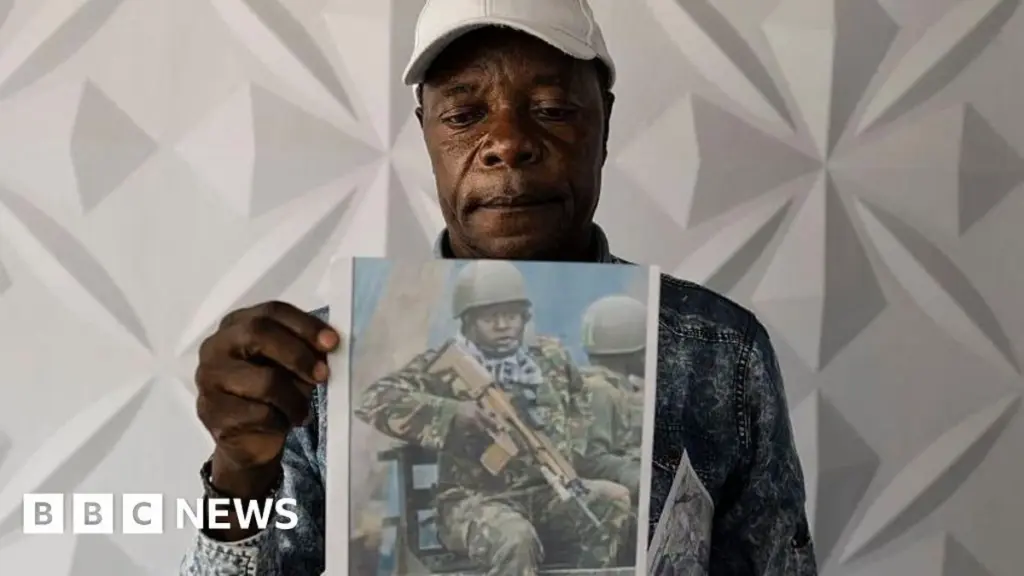
However, some Kenyans have reported being misled. They claimed they were enticed to fight for Russia with promises of well-compensated civilian employment. These individuals later found themselves in situations where they were compelled to engage in fighting in Ukraine.
Foreign Minister Mudavadi’s agenda also includes facilitating the repatriation of Kenyans who wish to return to their home country. Last month, he informed the BBC that Kenyan authorities had shut down more than 600 recruitment agencies. These agencies are suspected of defrauding Kenyans by offering overseas job prospects.
Within Kenya, lawmakers have pointed to alleged involvement of rogue state officials who are reportedly collaborating with human trafficking networks. These networks are said to be responsible for recruiting citizens for service with Russian forces in Ukraine.
To date, 27 Kenyans who were fighting for Russia have been repatriated. Mudavadi noted that these individuals are receiving psychological support. This care is intended to address trauma and facilitate their “de-radicalisation.”
The exact number of Kenyans who have died while fighting for Russian forces remains unclear. Russia has not formally addressed these casualty reports. Furthermore, relatives who have sought answers from the Russian embassy in Nairobi have reportedly been turned away.
In parallel with government efforts, public pressure has been mounting. In February, families of Kenyans believed to be fighting in Ukraine organized a protest outside the parliament building in Nairobi. Their demands centered on government action and the safe return of their relatives.
During his visit to Moscow, Mudavadi also aimed to negotiate an agreement that would grant Kenyans improved access to the Russian labor market. He emphasized that Kenya’s partnership with Russia should not be solely defined by the “special operation” in Ukraine. Mudavadi stated, “The relationship between Kenya and Russia is much broader than that.”
An assessment by Ukrainian intelligence suggests that Russia has recruited over 1,700 individuals from 36 African countries to fight in the conflict. In a related development from February, South Africa repatriated 17 of its citizens. These individuals reported being trapped in Ukraine’s Donbas region after being deceived into fighting for Russia.
It is also noted that Ukraine itself has faced criticism in the past for its attempts to recruit foreign nationals, including Africans, to fight on its behalf.