
The United States’ decision to lighten certain sanctions on Russian oil sales has ignited a wave of criticism from European leaders. French President Emmanuel Macron declared there was “no justification” for the move, while German Chancellor Friedrich Merz labeled it “wrong.” The European Council President Antonio Costa expressed deep concern, calling the development “very concerning.”
Russia is already seeing financial advantages from a surge in oil prices, a trend exacerbated by the ongoing conflict in the Middle East. European leaders are apprehensive that permitting Russia to increase its oil exports will significantly bolster Kremlin revenues. These sanctions have been in place since Russia’s full-scale invasion of Ukraine, which began in February 2022.
The US, during the presidency of Donald Trump, had previously imposed sanctions on nations purchasing Russian oil and gas, affecting major consumers like India. However, with global energy markets unsettled by the conflict involving the US and Israel against Iran, and subsequent Iranian retaliation against their allies in the Gulf, some key oil producers for the international market, Trump has now opted to ease these restrictions. Treasury Secretary Scott Bessent announced late on Thursday a temporary suspension of sanctions specifically for Russian oil already en route at sea.
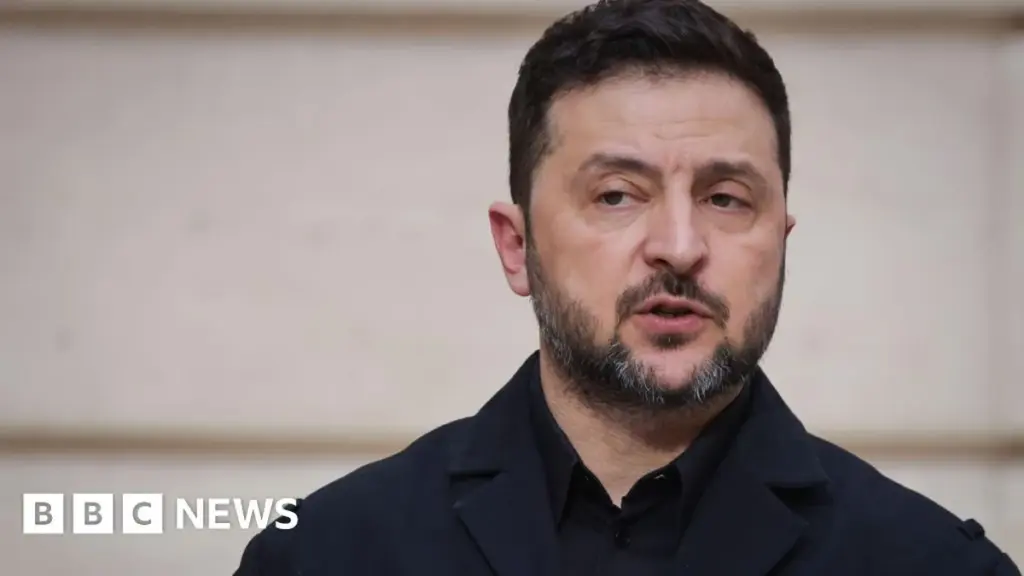
During a press conference in Paris, where he met with his French counterpart, Ukrainian President Volodymyr Zelensky stated that this singular US decision could provide Russia with an additional $10 billion (£7.5 billion). “This certainly does not help peace,” he remarked. The reasoning is straightforward: increased revenues for Russia can translate into reduced pressure on its wartime economy. In recent months, Russian public finances have been strained, compelling the Kremlin to liquidate gold reserves and raise consumption taxes to augment income. With additional oil sales, Russia will now have the capacity to acquire more weaponry and recruit additional soldiers for the front lines.
A Fraught Timing for Ukraine and its European Backers
For European leaders, this development could not have materialized at a more inopportune moment. Ukraine, having weathered a severe winter, has begun reclaiming territory from Russian forces and has successfully targeted installations deep within Russian territory. Concurrently, Russia was experiencing economic pressures and struggling to enlist sufficient personnel to replace its significant daily casualties, numbering around 1,000 killed and wounded.
However, Russia is now receiving an economic uplift, while its adversaries are preoccupied with the Middle East conflict. Russia continues to engage in dialogue with the United States; senior US and Kremlin officials met in Miami just days ago, though details of this meeting remain scarce. Meanwhile, Ukraine faces financial difficulties as promised EU funding, amounting to €90 billion ($103 billion; £77 billion), is being held up due to a dispute with Hungary.
Kyiv is under pressure from the EU to reopen a pipeline that traverses its territory, having sustained damage from Russian strikes in January. This pipeline normally transports Russian oil to Hungary and other destinations; Budapest accuses Kyiv of delaying the necessary repairs. Ukrainian authorities maintain that the damage is extensive and its repair will require considerable time.
The conflict rooted in Iran is thus having, perhaps inevitably, repercussions extending far beyond the Middle East. President Trump’s envoys have been spearheading efforts to broker peace in Ukraine. Yet, the US president’s unilateral decision to reduce pressure on Russia does not appear to have adequately considered the perspectives of Ukraine or its European allies. This move will predictably diminish the likelihood of meaningful progress in peace negotiations for the foreseeable future.
Fears of Permanent Sanctions Relief
Concerns within European foreign ministries are mounting that the situation could deteriorate, and the temporary US relaxation of sanctions on Russia might transition into a permanent policy. A spokesperson for UK Prime Minister Sir Keir Starmer emphasized the importance of all allies maintaining pressure on Russia and its financial reserves. “The most effective way to continue to prevent Russia from supporting hostile actors is to maintain collective pressure and end the war in Ukraine,” he stated. For the present, however, this collective pressure is diminishing, and the Kremlin is poised to benefit.