
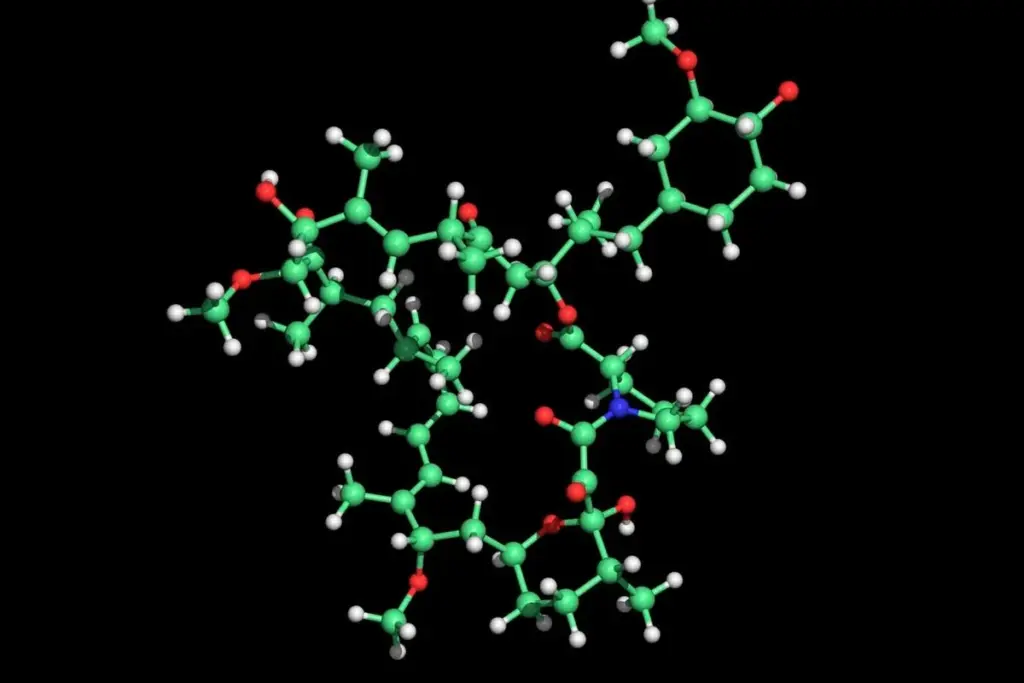
The purported advantages of fasting or rapamycin for extending lifespan appear to be more akin to a chance encounter than a guaranteed outcome. While these interventions were recently associated with significantly prolonged lifespans, a subsequent reassessment of the data indicates that the benefits can fluctuate considerably from one individual to another.
“They might extend lifespan by a modest amount or they could potentially extend it substantially,” commented Tahlia Fulton, affiliated with the University of Sydney in Australia.
A study conducted in 2025 encompassed an analysis of 167 research papers involving eight non-human species, including fish, mice, rats, and rhesus monkeys. Fulton and her research associates observed that these animals generally exhibited extended lifespans when administered rapamycin, a compound with potential anti-aging properties, or when subjected to a regimen of calorie restriction, a practice previously linked to increased longevity. These findings led the research team to posit that similar effects might apply to humans.
However, a more recent examination by the researchers has focused on the spectrum of individual responses to these longevity interventions. They discovered that the benefits were not uniform across the animal subjects. This variability suggests that, at an individual level, engaging in either rapamycin treatment or dietary restriction with the objective of prolonging life is “likely advantageous, yet the extent of its benefit remains uncertain,” Fulton stated.
“Some individuals may experience a significant increase in lifespan, others a minor one, and some might not see any extension beyond their expected duration,” she explained. “It introduces an element of chance, thus precluding a definitive guarantee that these treatments will enhance an individual’s lifespan.”
Fulton elaborated on the objective of longevity interventions, which aims to achieve a “squared curve” on a graph depicting population size against lifespan. This ideal scenario proposes that a larger proportion of individuals would live longer, as opposed to only a select few, which is characteristic of a sloping curve. “To square the survival curve means everyone lives a very long, fulfilling life, perhaps until age 100, and then they predictably pass away around that age,” she noted.
The most current research indicates that neither dietary restriction nor rapamycin effectively achieves this “squared curve” outcome. Consequently, Fulton suggests that expectations should be managed until further research elucidates which individuals stand to gain the most from these methods. “Ideally, we could address individual genetic profiles and life histories to provide personalized guidance, stating, ‘Understood, this is precisely what you require to achieve your longest possible life.'”
Insights from Longevity Hotspots
Regions known as “blue zones,” characterized by a proportionally high number of centenarians, are often examined for their contributions to healthier living. However, questions persist regarding the authenticity and interpretation of these observed longevity patterns.
Understanding Healthspan and Intervention Effects
Matt Kaeberlein from the University of Washington in Seattle pointed out that the act of squaring the survival curve does not automatically translate to an improvement in an individual’s years of healthy living. He proposed that a more pertinent inquiry involves determining whether “healthspan inequality” is exacerbated or mitigated by longevity interventions, such as physical exercise.
Rapamycin, initially developed as an immunosuppressant for organ transplant recipients, functions by inhibiting the mTOR protein. This protein plays a crucial role in cellular growth and division. At lower doses, rapamycin has demonstrated the capacity to extend lifespan in various animals, including fruit flies and mice, potentially through mechanisms involving DNA damage protection.
Journal Reference: Biology Letters DOI: 10.1098/rsbl.2025.0651