
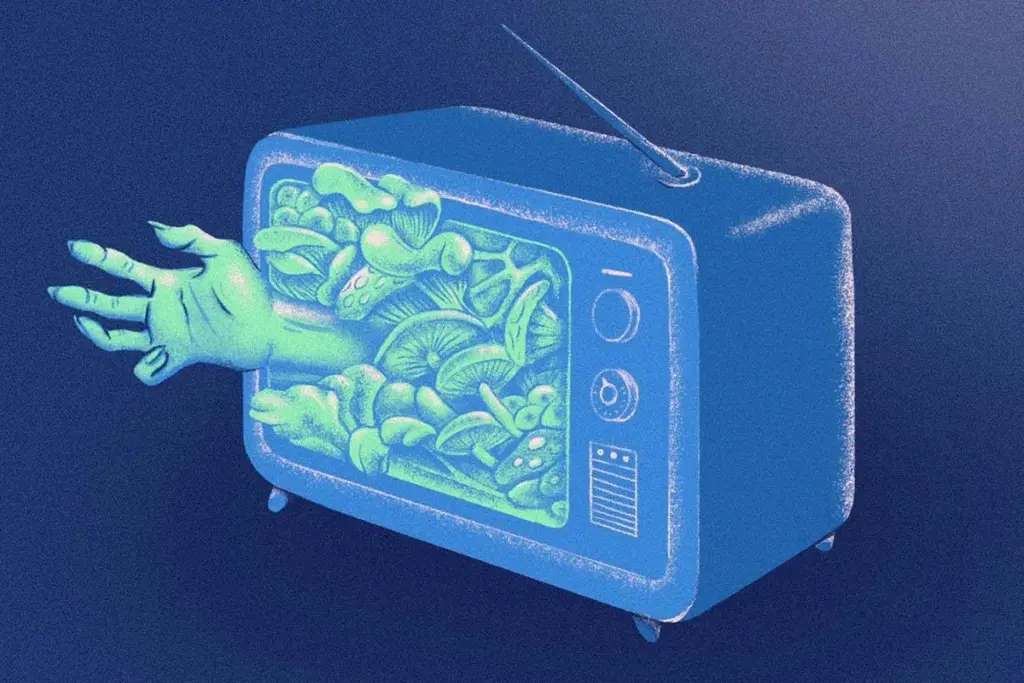
Inhalation of fungal spores can lead to unsettling sensations, aggression, or even incapacitation. Then, a gruesome transformation, and the horror proliferates.
This premise underpins “Cold Storage,” a film where a trio of improbable heroes confronts a world-ending scenario. Their adversary? A mutated Cordyceps fungus, altered by solar radiation, which now targets warm-blooded creatures instead of its usual invertebrate hosts. This, however, invites a familiar question: have we not encountered this before?
Cordyceps fungi are real, and many have indeed evolved a strikingly cinematic form of parasitism. Spores breach an unfortunate invertebrate’s defenses. The fungus proliferates, consuming its host from within while asserting control over its nervous system and muscles. The host’s behavior shifts, perhaps seeking elevated positions for optimal spore dispersal. Eventually, its fungus-laden corpse erupts with tendril-like growths, releasing countless spores into the atmosphere, initiating a macabre cycle.
Given Cordyceps’ inability to thrive within the warmer environments of mammalian bodies, a transition to infecting humans remains exceedingly improbable. Yet, the nocturnal dread persists. This narrative fueled “The Girl With All The Gifts,” which unleashed a zombie apocalypse in cinemas in 2016. The preceding year saw the second season of HBO’s “The Last of Us” continue its reliance on this same bioterror as an antagonist. In November, the radio drama “Spores” featured a familiar fungus transforming humans in rural Wales. Now, another iteration emerges.
This recurring fascination with Cordyceps distorts the broader fungal kingdom. Representing only a few hundred species, they constitute a minuscule fraction of fungi’s astonishing diversity. While a UK National Collection of Pathogenic Fungi does house over 4,500 “potentially deadly fungi,” a far greater wealth of fungal attributes deserves celebration over fear.
Fungi: Architects of Earth and Masters of Survival
Consider their superlatives. Fungi hold the record for size: a single specimen of *Armillaria ostoyae* in Oregon’s Malheur National Forest, spanning nearly ten square kilometers of subterranean mycelium, stands as Earth’s largest known organism. They are also ancient ecosystem engineers; research from last year suggests fungi colonized land millions of years before modern terrestrial plants, playing a crucial role in forming the planet’s earliest soils. Furthermore, fungi exhibit unparalleled reproductive flexibility. The split gill mushroom (*Schizophyllum commune*) employs over 23,000 “mating types” – analogous to sexes – to ensure successful reproduction.
We could enumerate the myriad ways fungi benefit all life. Their relentless decomposition of dead organic matter prevents the planet from being overwhelmed. Their symbiotic relationships with 90 percent of plant species facilitate the absorption of essential nutrients, sustaining Earth’s verdant cover. Our own species owes a significant debt to fungi, including the development of penicillin, immunosuppressants, anticoagulants, and psilocybin compounds for treating depression. And, of course, they are the foundation of sourdough and beer.
All this arises from a branch of the tree of life, estimated to be only 10 percent described. Yet, what is known offers a universe of inspiration for science-fiction authors: ancient organisms that metabolize radioactivity; decomposers that consume plastic; and predatory species that actively ensnare their prey with microscopic lasso-like structures.
If a genuine fungal apocalypse were to inspire unease, consider the devastating impact climate change is projected to have by amplifying fungal destruction of vital crops. However, these extraordinary creative avenues remain largely unexplored, narrowing our fictional possibilities.
The persistent reliance on Cordyceps-induced terror contributes to reducing a vibrant spectrum of diversity into a predictable narrative trope. Therefore, writers are encouraged to look beyond the familiar: embrace the mould. The realm of the peculiar surrounds us, offering fertile ground for inspiration.
Nick Crumpton is a staff member at the Natural History Museum, London, and a children’s author.