
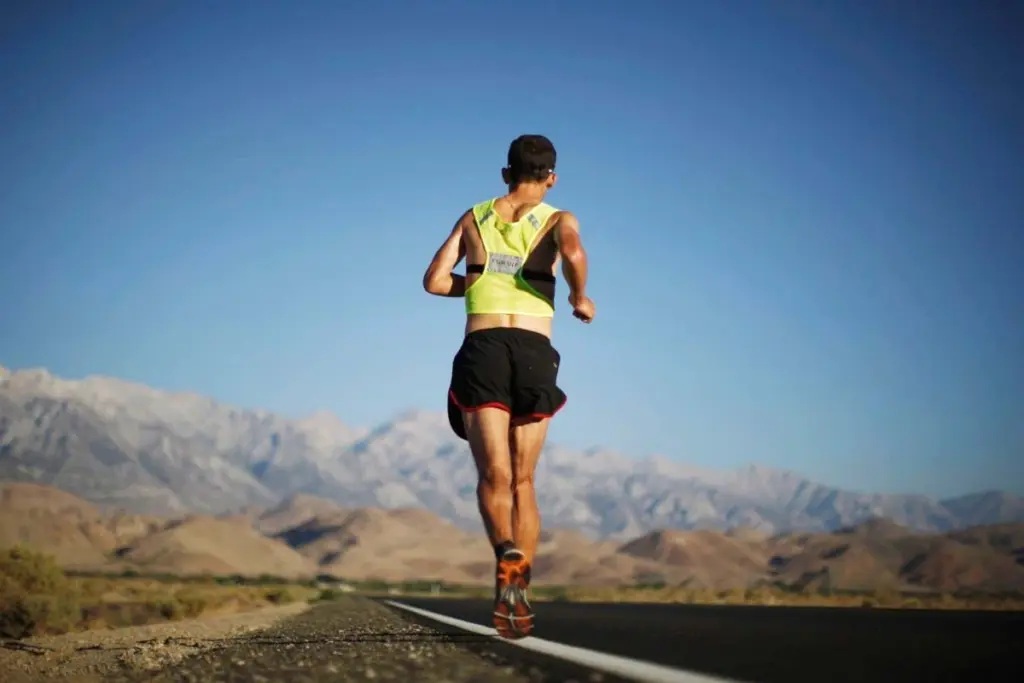
While exercise is widely recognized as crucial for longevity and well-being, engaging in ultramarathons might hasten the aging process of blood cells. A study found that athletes completing a 170-kilometer trail race accumulated significantly more age-related damage in their red blood cells compared to those who ran shorter distances.
Concerns regarding long-distance running and health predate this research, with links to temporary immune system suppression and anemia having been noted. However, this recent investigation provides novel insights into the specific impact on red blood cells, which are responsible for oxygen transport throughout the body, especially during strenuous endurance events on challenging terrain.
Study Design and Findings
Researchers led by Angelo D’Alessandro at the University of Colorado Anschutz collected blood samples from two groups of adult participants, averaging 36 years in age. The first group consisted of 11 individuals who ran a 40-kilometer trail race, while the second, larger group of 12 participants, undertook a 170-kilometer ultramarathon over similar mountainous terrain. Blood was analyzed both shortly before and after the races.
The investigation revealed that participation in either running event led to an increase in the accumulation of damage from reactive oxygen species within the subjects’ red blood cells. These molecules are produced in greater quantities when cells need to deliver more oxygen, a common occurrence during intense physical activity. This type of damage naturally increases as red blood cells age.
However, the extent of this age-related damage was notably greater in the ultramarathon runners. D’Alessandro described the observed condition of the blood post-ultramarathon, stating analogously, “The blood after an ultramarathon looks like the blood of somebody who’s just been hit by a car.” This observation underscores the significant stress placed on red blood cells, potentially leading them to exhibit characteristics of increased age.
Morphological Changes and Cell Count
Beyond damage accumulation, the study also observed a distinct change in red blood cell shape. Only those who completed the ultramarathon, not the shorter race, showed a more rapid transition of their red blood cells from the typical disc shape to a more spherical form. This change is characteristic of aging cells.
The disc shape is essential for flexibility, allowing red blood cells to navigate narrow blood vessels, including those within the spleen where aged cells are typically processed and removed. Travis Nemkov, a team member also from the University of Colorado Anschutz, explained the implications: “This spherical shape means they get stuck in the spleen and eaten up by immune cells.” This suggests an accelerated removal of red blood cells in ultramarathon participants.
Nemkov suggested that this damage may be a consequence of exercise-induced inflammation, with extreme exertion potentially forcing red blood cells through the circulatory system more aggressively. This mechanism could contribute to the observed cellular changes.
Furthermore, a roughly 10 percent reduction in red blood cell count was observed in the ultramarathon participants from pre- to post-race. While this decrease was noted, Nemkov indicated that it is unlikely to cause anemia and that the body is presumably capable of swift recovery. The observed drop is considered too minor to pose an immediate health risk in this context.
Future Research Directions
The research team is continuing their investigation by examining the red blood cells of ultramarathon runners on the day following extreme exertion. This follow-up aims to better ascertain the duration of these physiological effects. Additionally, they plan to explore whether these observed changes impact a runner’s athletic performance.
Nemkov noted the ambiguity of the findings for performance: “This could just be what the damage signals look like to make the body more resilient to endurance running or it could have a negative impact.” The precise implications of these cellular adaptations for an athlete’s long-term capability and health remain a subject for further scientific inquiry.