
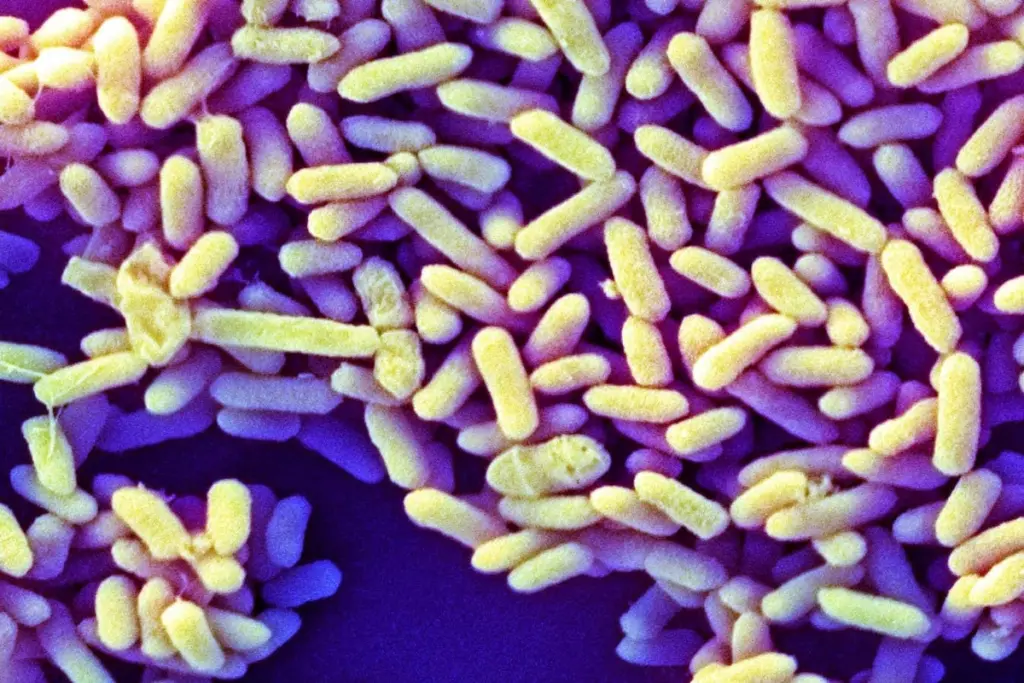
An extensive examination of infant gut microbiomes across the world has uncovered significant geographical variations. Notably, infants in Western countries appear to lack a specific microbe that is prevalent in other regions. This discovery holds potential for developing region-specific probiotics, particularly for premature infants, to enhance the successful colonization of beneficial bacteria.
The initial 1000 days of a child’s life are crucial for establishing their gut microbiome, a complex community of microorganisms that influences myriad aspects of health. These influences range from immune system development and mental well-being to the long-term risk of various diseases. Historically, research on infant microbiomes has been largely concentrated on populations in Western nations. However, a recently compiled global atlas of baby gut bacteria is now broadening this understanding considerably.
Researchers, led by Yan Shao at the Wellcome Sanger Institute in the UK, analyzed over 1900 genomes of a bacterium known as Bifidobacterium longum. This species has been associated with the development of a stable gut microbial ecosystem in infants.
The bacterial genomes were derived from stool samples gathered from infants in the UK, Sweden, and the United States, alongside samples from seven countries in South Asia and sub-Saharan Africa: Bangladesh, Pakistan, Kenya, Malawi, Burkina Faso, Uganda, and Zimbabwe. The team focused on two specific subspecies of B. longum: B. longum longum and B. longum infantis, which have been the primary subjects of previous infant gut microbiome investigations.
By integrating their new genomic data with that from earlier studies, the researchers found that approximately 70 percent of infants from participating African and South Asian countries harbored B. longum infantis by the age of two months. In stark contrast, fewer than 2 percent of infants from the UK, US, and Sweden showed the presence of this subspecies. “Infantis is essentially absent in Western settings,” Shao observed in a statement.
Conversely, B. longum longum had colonized the guts of roughly one-third of infants in Western countries by two months of age. This figure contrasts with less than 10 percent of infants from the combined African and South Asian regions.
These findings suggest that B. longum longum and B. longum infantis, both of which play a role in immune system maturation and in preventing intestinal and bloodstream infections, exhibit a distinct regional distribution. Shao posits that this divergence is likely linked to their adaptation to different dietary environments.
“Bifidobacteria assist in the digestion of nutrients from breast milk,” Shao explained. “The composition of breast milk varies based on the mother’s diet. It’s plausible that longum [longum] is better suited to a Western maternal diet, while infantis thrives on diets prevalent in other geographical areas.” He further noted that infants lacking either B. longum longum or B. longum infantis likely possessed other, similar bacteria, such as Bifidobacterium breve, within their developing gut microbiomes.
This comprehensive study significantly expanded the dataset of B. longum genomes from South Asia, increasing the analyzed number by approximately 17 times. Similarly, the number of analyzed genomes from Africa saw an increase of around 11 times. “This represents a substantial advancement for populations that have been historically underrepresented in scientific research,” commented Lindsay Hall from the University of Birmingham, UK.
While probiotics are not typically recommended for full-term newborns, they are sometimes administered to premature infants. Hall suggests that the insights gained from this research could lead to the development of probiotics tailored to the specific geographical origin of premature babies.
For example, B. longum infantis probiotics might offer benefits to infants in African and Asian regions but could be less effective in establishing themselves in the guts of Western infants. “Understanding how bacteria differ across various locations is fundamental to determining which probiotics will be most effective for children in particular parts of the world,” Hall stated.