
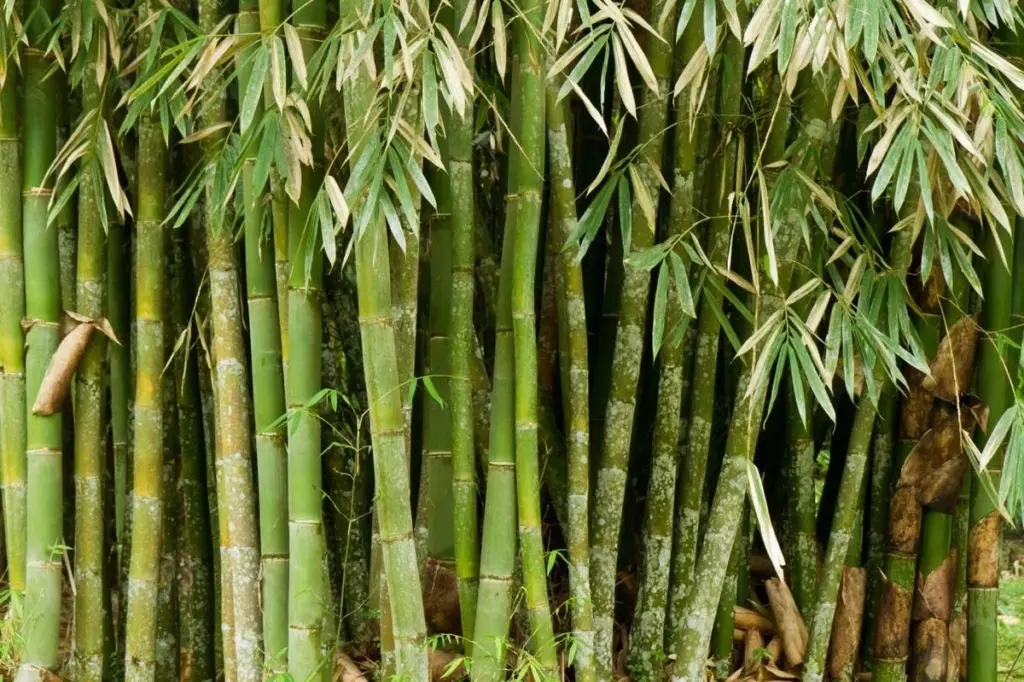
A novel approach to bioplastics, derived from bamboo, demonstrates strength and durability comparable to traditional plastics used in applications like household appliances and automotive interiors. This new material also offers the significant advantages of recyclability and easy biodegradation in soil.
Bioplastics, materials synthesized from biological or renewable resources, are gaining traction. However, they currently represent only a small fraction, approximately half a percent, of the vast annual global plastic production exceeding 400 million tonnes. A key factor limiting their widespread adoption has been their often-inferior mechanical strength compared to petroleum-based plastics, coupled with difficulties in integration into standard manufacturing procedures.
Addressing these limitations, a research team led by Dawei Zhao at Shenyang University of Chemical Technology in China has developed a method to create plastic from cellulose sourced from bamboo. This innovative process yields a material that can match, and in some aspects, exceed the performance characteristics of many conventional, widely used plastics.
Zhao highlighted bamboo’s rapid growth as a crucial factor, positioning it as a highly renewable resource that can serve as a sustainable alternative to traditional lumber. Despite its benefits, bamboo’s current utilization remains largely confined to traditional woven products.
The researchers’ process begins with treating the bamboo. This involves adding zinc chloride and a mild acid, which effectively breaks down the robust chemical bonds within the bamboo structure. This breakdown results in a liquid mixture, or “soup,” of smaller cellulose molecules. Subsequently, ethanol is introduced, which prompts these cellulose molecules to reconfigure into a solid, robust plastic material.
The resulting plastic exhibits toughness that has been benchmarked against commonly utilized engineering plastics. These are the high-strength plastics favored in sectors such as automotive manufacturing, appliance production, and construction. This assessment comes from Andrew Dove, a researcher at the University of Birmingham, UK, who was not directly involved in the study.
However, Dove noted that the plastic’s inherent rigidity also influences its potential applications, suggesting it may not compete with the most prevalent plastics used in packaging, such as polyethylene and polypropylene. Nevertheless, he posited that even if it targets a more specialized segment of engineering plastics, it could still contribute to easing supply chain concerns for existing materials in that niche.
While not as inexpensive as some of the most common plastics currently on the market, Zhao and his team reported that their bamboo-derived plastic can be fully recycled while retaining approximately 90 percent of its initial strength. This recyclability factor could potentially enhance its economic viability over time. The team also stated that the material biodegrades within a 50-day period, although such claims regarding new biodegradable plastics have faced rigorous examination in the past.