
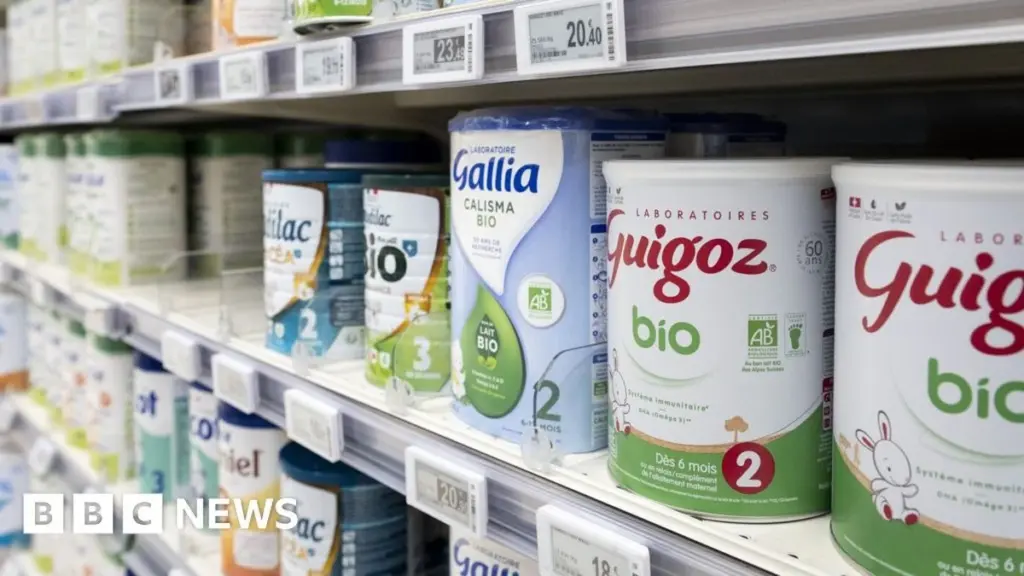
Parisian prosecutors have launched investigations into five major baby formula manufacturers. This action follows several instances of widespread product recalls due to concerns over potential contamination with a dangerous toxin.
The companies under scrutiny include Nestle, Lactalis, Danone, Babybio, and La Marque en moins. Authorities are examining whether there was any criminal negligence in the distribution of baby formula potentially tainted with cereulide. This development stems from several complaints filed by individuals whose children reportedly experienced vomiting after consuming formula.
The recalls have affected numerous countries. Last week, Nestle and Danone initiated product withdrawals in over 60 nations, including the United Kingdom. In the UK, at least 36 infants have shown symptoms of suspected food poisoning after ingesting formula, according to official reports.
Understanding Cereulide Toxin
Cereulide is a heat-stable toxin. Its presence is concerning because typical cooking processes or the preparation of baby milk are unlikely to neutralize it. Ingesting food contaminated with cereulide can lead to symptoms such as nausea, vomiting, and abdominal cramps.
The toxin’s introduction into the affected baby formula has been linked to an ingredient known as arachidonic acid (ARA) oil. This oil is incorporated into formula to mimic some of the growth-promoting properties found in breast milk. The UK Food Standards Agency (FSA) previously identified a third-party supplier of ARA as the source of the contamination. That particular supplier is no longer in use.
Global Supply Chain Scrutiny
Speculation has pointed to a Chinese firm as the identified supplier. Agence France-Presse identified the company as Cabio Biotech, based in Wuhan. The BBC has reportedly reached out to the company for comment regarding these allegations.
In response to the unfolding situation, China’s national market regulator instructed domestic baby formula producers to conduct tests for cereulide. This directive was issued on Thursday, without naming specific companies.
Legal Ramifications and Ongoing Inquiries
The primary objective of the Paris prosecutors’ investigation is to determine the liability of the baby formula producers for distributing a compromised product. This probe will be coordinated with local inquiries focused on establishing a potential causal link between the contaminated formula and the deaths of three infants in France.
Nestle and the French health ministry have emphasized that, as of now, there is no evidence to suggest such a connection. Nevertheless, significant precautionary measures are being taken.
Recall Scope and Consumer Advice
Approximately 28 batches of baby formula have been recalled. These include products manufactured by Nestle, which produces the SMA brand, and Danone, responsible for Aptamil and Cow & Gate.
Danone and Nestle have assured the FSA that the recalled batches were produced some time ago. Consequently, they are considered unlikely to still be available on UK retail shelves. However, the possibility remains that affected products could be stored in consumers’ homes. For this reason, parents and caregivers are being advised to meticulously check their formula supplies.
Production Scaling Efforts
Nestle announced on Friday its intention to operate five of its baby formula factories around the clock. This escalated production aims to address the increased global demand following the widespread recalls. The factories slated for increased output are located in France, Spain, Germany, Switzerland, and the Netherlands.
“We are focused on increasing the availability of infant formula to meet demand, providing parents and families with high quality products they can trust,” a spokesperson for the Swiss firm stated.