
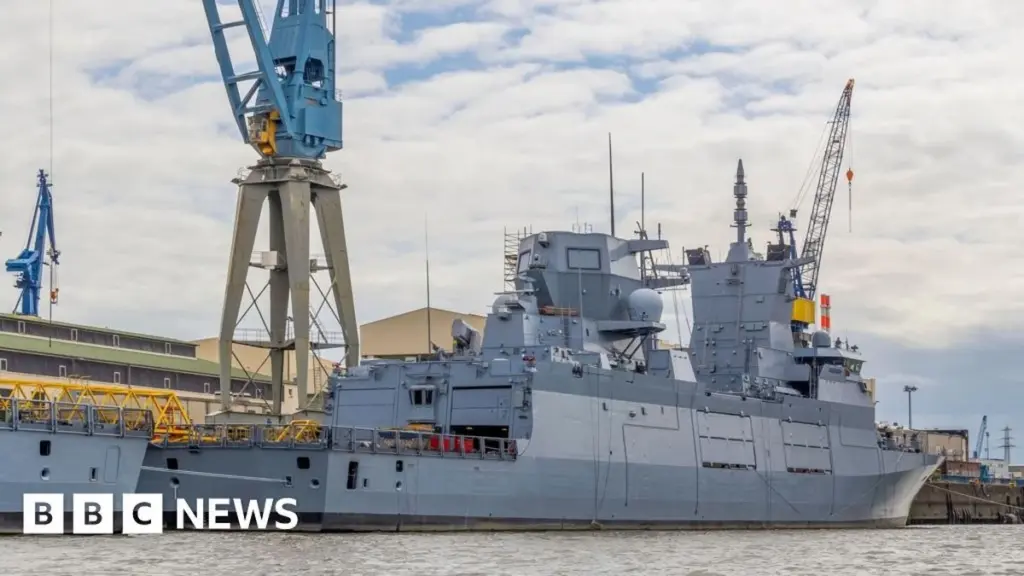
Authorities have detained two individuals in connection with an attempted act of sabotage targeting German naval vessels last year at the Port of Hamburg. The incident involved significant interference with critical ship systems.
The detained suspects are allegedly responsible for disabling electronic safety mechanisms, removing fuel tank covers, damaging water supply conduits, and introducing a substantial quantity of abrasive gravel, exceeding 20 kilograms, into a vessel’s engine. These actions, if undetected, could have resulted in considerable damage to the ships.
The European Union’s Eurojust crime agency stated that these actions, if successful, would have caused substantial damage to the naval assets and significantly postponed their deployment. Such delays would have directly jeopardized the operational readiness of the German Navy.
Local media reports identify the suspects as a 37-year-old Romanian national and a 54-year-old Greek national. Both individuals reportedly held employment at the port during the time of the alleged offenses.
Coordinated International Arrests and Investigations
The arrests occurred simultaneously in Germany and Greece on Tuesday. This operation was the result of a collaborative effort involving law enforcement agencies from Germany, Greece, and Romania.
Furthermore, law enforcement personnel conducted searches at the residences of the suspects located in Germany, Greece, and Romania, seizing evidence pertinent to the ongoing investigation, as confirmed by Eurojust.
The agency indicated that an exhaustive investigation into the complete circumstances surrounding the incident is actively underway. Investigators are working to establish the full scope of the alleged sabotage attempt.
Broader Context of Security Concerns
Although German officials have not officially attributed the Hamburg incident to Russia, the arrests coincide with a period of elevated concern regarding state-sponsored sabotage operations across Europe, often linked to the Kremlin.
Since Russia’s large-scale invasion of Ukraine in 2022, Germany and several other NATO member states have experienced a series of incidents raising suspicions of sabotage. These have included damage to undersea communication cables in the Baltic Sea and disruptions attributed to suspected drone activity at airports and military installations.
While certain European governments have directly implicated Russia in these events, the Kremlin has consistently denied any involvement in orchestrating sabotage efforts. The ongoing investigations aim to clarify the perpetrators and their motives.
Germany, in particular, has intensified its focus on enhancing its resilience against potential sabotage. This effort follows an earlier arson attack, previously linked to left-wing activists, which led to widespread power outages affecting tens of thousands of residents earlier this year.