
Fecal transplants have become a common and effective treatment for recurrent infections caused by the bacterium Clostridioides difficile. However, a significant hurdle in this process is identifying individuals whose stool is of high enough quality for use in these life-changing procedures.
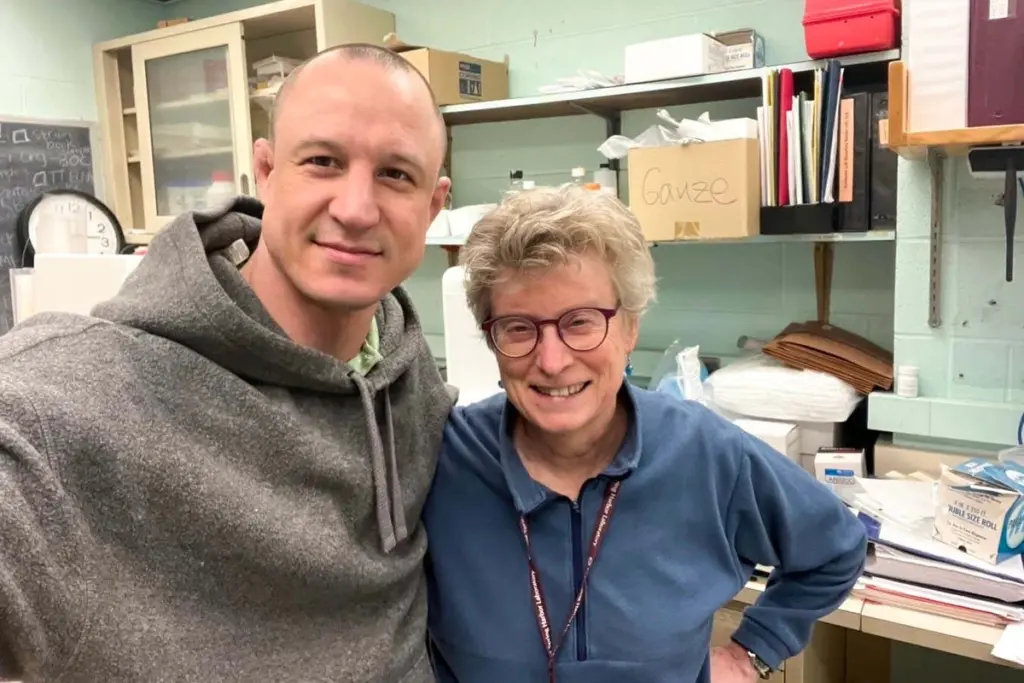
Dr. Elizabeth Hohmann, an infectious disease specialist at Massachusetts General Hospital in Boston, describes the donor recruitment process as “quite a frustrating activity.” She notes that only about one percent of people who respond to advertisements seeking donors are deemed healthy enough. “I ask them to keep coming back to donate because they’re very hard to find,” she states, having relied on some donors for over a hundred precious stool samples across the years.
The Process of Donor Screening and Preparation
For fifteen years, Hohmann has overseen the fecal transplant program at her hospital. Her role involves collecting donated stool samples and transforming them into oral capsules. These capsules are then administered to patients suffering from difficult-to-treat gastrointestinal conditions, particularly recurrent C. difficile infections that manifest as diarrhea and have not responded to conventional antibiotic treatments. The therapeutical effect stems from the beneficial gut bacteria present in the donor’s stool, which work to displace the harmful bacteria in the recipient’s digestive system, frequently leading to symptom relief.
To secure these vital donors, Hohmann advertises online, offering $1200 for a month’s supply of stool donations. The initial stage for interested respondents involves extensive screening. Many are disqualified during the first phone interview if they do not meet specific criteria. For instance, healthcare workers are often excluded due to a higher risk of carrying drug-resistant gut bacteria. Similarly, individuals who have recently traveled to Southeast Asia are disqualified for the same reason. A lean physical build is also a requirement, as past instances have shown that fecal transplants from donors with obesity have led to the recipients developing obesity.
Those who successfully navigate this initial screening proceed to a comprehensive battery of tests. These include various blood tests to assess their general health, screenings for infections like HIV and COVID-19, and a rectal examination to detect any bleeding or abnormalities that might indicate underlying gut issues.
Characteristics of Ideal Donors
Hohmann observes that her most successful donors are typically individuals who are physically active and maintain healthy diets. She provides an example of a regular donor who is “a semi-professional athlete who is a personal trainer and gym manager.” High-quality stool samples, according to her, are generally associated with diets rich in fresh fruits, vegetables, and whole grains, with a minimal intake of ultra-processed foods. While some fecal transplant centers consider using only vegan donors, Hohmann has found that her best donors have been omnivores.
The Donation and Processing Workflow
A typical donation period spans two to four weeks. During this time, the donor is encouraged to defecate at the hospital as frequently as possible. “Often, they have very regular bowel movements so they come into the hospital at the same time each day and drink a coffee to get things going,” Hohmann explains. Each sample is collected using a plastic container placed within the hospital toilet.
Hohmann then immediately processes the fresh stool into capsules. “I put it in a blender with saline, then filter it through graded mesh filters,” she describes. Following several additional processing steps, the liquid is carefully pipetted into capsules. She acknowledges, “It’s not pleasant, but it’s something you kind of get used to.”
Ensuring Sample Integrity and the Reward of Treatment Success
Following the donation period, donors undergo a final screening to confirm they have not contracted COVID-19 or other infections since their initial assessment. “You want to make sure they haven’t picked up Salmonella from eating at a terrible restaurant or something,” Hohmann states. If a donor has acquired an infection, the collected capsules must be discarded, and Hohmann must restart the entire donor acquisition and processing cycle.
Despite the occasional setbacks, Hohmann finds deep satisfaction in her work, largely due to the profound positive transformations she witnesses in fecal transplant recipients. She recounts a recent patient who was too ill to work but, after undergoing the stool capsule treatment, was able to work 30 hours a week. “I keep doing it because, you know, it really does make a huge difference in some people’s lives,” she emphasizes.
Challenges in Succession for a Critical Program
As Hohmann approaches retirement, she faces a significant challenge in finding a successor to continue the fecal transplant program. “I keep asking my division, ‘who wants to help out?’. Nobody. It’s silent. They hear about the basics of it and they’re just totally grossed out,” she expresses, highlighting the aversion many feel towards this vital medical procedure.