
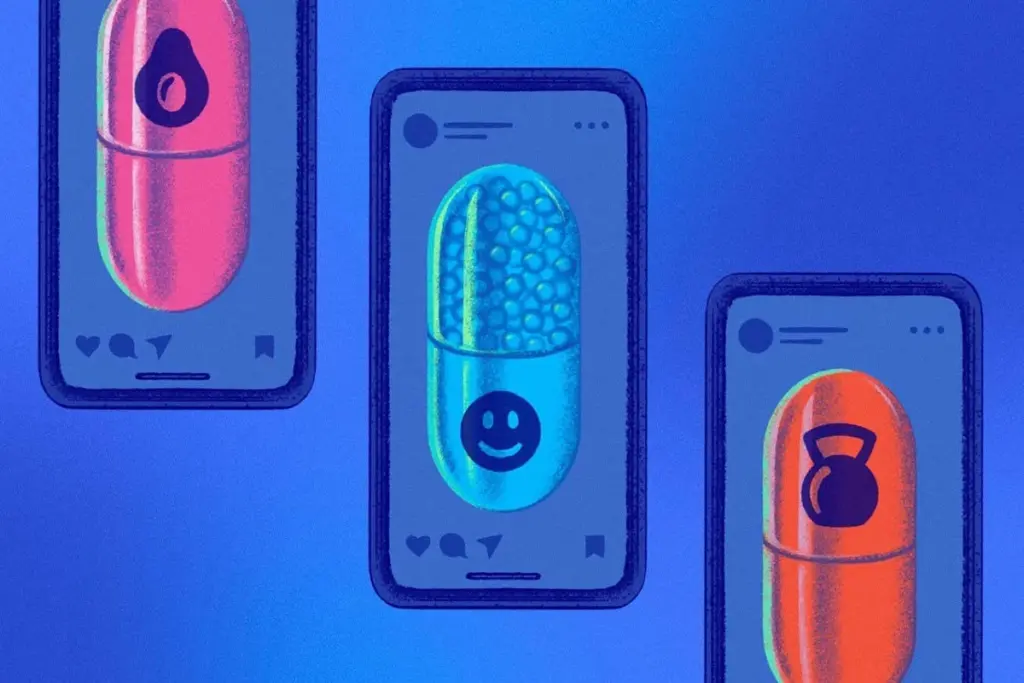
It is widely acknowledged that financial influences significantly impact our health. From the pervasive presence of pharmaceutical advertisements to the very direction of medical research, money has consistently been an integral aspect of the healthcare landscape. What distinguishes the current era is the unprecedented scale, accelerated pace, and profound intimacy of these financial entanglements. A burgeoning cohort of new market participants is now subtly steering our daily health-related decisions, frequently stepping into the void created by overextended healthcare systems. As this transformation unfolds, our health is increasingly being treated as a commodity.
For the majority of the last century, medical practitioners commanded a near-exclusive authority over health knowledge. This paradigm is undergoing rapid alteration. A comprehensive parallel system is emerging, primarily fueled by consumer health interests. Wherever a gap exists—whether in accessing care, obtaining answers, or finding reassurance—commercial entities are swiftly intervening. The landscape is now populated by health technology startups, mobile applications, diagnostic services, virtual clinics, and influential personalities, all vying for credibility and actively seeking avenues for monetization.
The Rise of the Commodified Self
There currently appears to be a solution for nearly every ailment and a product tailored to every personal aspiration. Fitness trackers diligently record our daily steps and sleep patterns. Meditation applications offer curated moments of calm, available through a monthly subscription. Increasingly, our biological functions are being translated into quantifiable metrics—highly marketable data points that do not always correlate with tangible improvements in well-being. We find ourselves monitoring biomarkers, irrespective of whether altering these indicators actually benefits our health. Genetic testing and personalized nutrition plans widely tout the promise of a revitalized self, though the scientific evidence frequently lags behind the optimistic claims.
Throughout this process, our symptoms, personal traumas, and treatment histories—even the subtle distinctions between genuine illness and everyday discomfort—are being transformed into saleable commodities. This trend is evident across numerous platforms: podcast hosts may promote treatments while glossing over potential conflicts of interest; influencers monetize their personal health diagnoses; medical conditions are repurposed into internet memes and merchandise; and clinicians adopt the guise of rebels challenging a flawed system, even as they market their own treatments or diagnostic services.
Online Platforms and the Wellness-Industrial Complex
A significant portion of this observable shift is occurring within the digital realm, where the regulation of claims and advertising presents considerable challenges. Health advice is now disseminated through platforms designed for entertainment, guided by opaque algorithms. Consequently, individuals are increasingly turning to platforms like TikTok, YouTube, Instagram, and Facebook in their pursuit of guidance and support.
This confluence of pharmaceutical companies, technology firms, diagnostic providers, and supplement brands has been identified as the “wellness-industrial complex.” It actively fuels the emergence of what has been termed the “commodified self.”
Moreover, this phenomenon extends beyond individual choices. As social media platforms increasingly influence the discourse surrounding illness, they may inadvertently shape clinical expectations, dictate research priorities, and alter public perceptions of what healthcare services ought to provide. In essence, humanity is presently navigating a vast, global public-health experiment.
Addressing the Shortcomings
Yet, this evolving situation also represents a direct response to genuine deficiencies within existing healthcare structures. Alternative providers are gaining traction because individuals are seeking more time, recognition, a greater sense of control, and deeper human connection. They are drawn to voices that validate their lived experiences and offer a sense of certainty, particularly when the support from official channels feels rushed or inaccessible. Simply denouncing online misinformation is unlikely to halt its proliferation and may, in fact, alienate the very individuals who are susceptible to it.
When individuals encounter difficulties in obtaining timely diagnostic testing or receiving clear explanations for their health concerns, private diagnostic services and continuous health monitoring present an appealing sense of visibility and control. In scenarios where conventional medicine is perceived as overly conservative or reactive, the appeal of “optimization cultures” intensifies.
The Imperative for Healthcare Systems
Therefore, the critical question for established health systems is not whether to adapt, but precisely how to do so. These systems must maintain their commitment to evidence-based practices, safety, and equitable access. Simultaneously, they may need to cultivate greater responsiveness and a deeper grounding in the lived realities of patients. Failing to do so risks not only a loss of market share but also a forfeiture of moral authority—the fundamental right to define the very nature of healthcare.
To accurately comprehend healthcare in the contemporary context, it is essential to understand the commercial forces and platform designs that are actively shaping it. The content that appears on our screens is not neutral; it is carefully curated by industries possessing unprecedented access to our bodies, our personal data, and our financial resources. These industries are wielding increasing influence over how we perceive our own state of health, distinguishing between being well and being unwell.
Deborah Cohen is the author of “Bad Influence: How the Internet Hijacked Our Health.”